In the highly competitive world of technical footwear—ranging from extreme mountaineering boots to heavy-duty military and safety shoes—the barrier between the foot and the harsh external environment is everything. While many materials claim to be waterproof, few can match the elite performance of the PTFE membrane.
If you are a footwear material engineer, a sourcing manager, or a shoe brand developer, understanding the science and application of this premium material is crucial for elevating your product line. In this comprehensive guide, we will dive deep into what a PTFE membrane is, how it works, and why it remains the gold standard in the footwear industry.
The Science Behind the Material: What Does PTFE Stand For?
PTFE stands for Polytetrafluoroethylene, a synthetic fluoropolymer of tetrafluoroethylene. While the chemical name might sound complex, its most famous consumer application is widely known under various premium brand names in the outdoor apparel and footwear sectors.
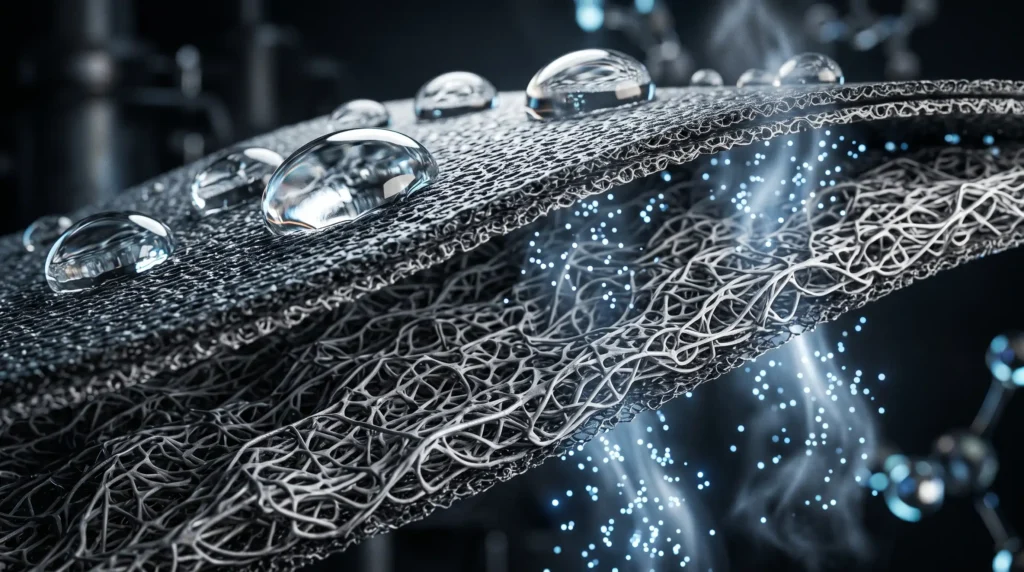
What makes PTFE revolutionary for shoes is its microporous structure. When PTFE is stretched and processed into a thin film (a membrane), it creates a network of microscopic pores. To understand its magic, you just need to look at the numbers:
- A high-quality PTFE membrane contains over 9 billion pores per square inch.
- Each of these pores is approximately 20,000 times smaller than a drop of water.
- However, each pore is 700 times larger than a water vapor molecule (sweat).
This unique physical property ensures that external liquid water absolutely cannot penetrate the membrane, while internal moisture from sweaty feet can easily escape as a gas.
Key Advantages of PTFE in Shoe Manufacturing
When designing high-end functional footwear, selecting a membrane is not just about keeping water out. The material must perform under extreme conditions. Here is why PTFE is highly favored:
1. Uncompromising Waterproofing (High Hydrostatic Pressure)
Even under the immense pressure of stepping into a deep puddle or kneeling on wet ground, the microscopic pores of the PTFE membrane will not let water through. It consistently scores the highest in hydrostatic pressure tests, making it the top choice for tactical and waterproof work shoes.
2. Superior Breathability (MVTR)
Breathability is measured by the Moisture Vapor Transmission Rate (MVTR). Because PTFE relies on physical micropores rather than chemical hydrophilic reactions to move moisture, its breathability is immediate and highly efficient. Materials tested under ASTM International standards consistently show that PTFE outperforms traditional solid coatings in keeping the foot climate dry and comfortable.
3. Extreme Temperature Resistance
Unlike some cheaper plastics or low-grade polyurethanes that become brittle in freezing temperatures or overly soft in extreme heat, a PTFE membrane maintains its structural integrity and flexibility across a massive temperature range. Whether your customer is trekking in snowy mountains or working in a hot desert, the membrane will not fail.
PTFE vs. TPU Membrane: Which is Better for Your Shoes?
A common question among shoe manufacturers is whether to source PTFE or TPU (Thermoplastic Polyurethane) membranes. Both are excellent, but they serve different market needs:
- Breathability Mechanism: PTFE is microporous (relies on tiny holes), offering superior and faster breathability. TPU is typically hydrophilic (solid, relies on chemical transfer of moisture), which is effective but slightly slower to breathe.
- Durability and Cost: TPU is highly elastic and generally more cost-effective, making it perfect for athletic running shoes and mid-range outdoor shoes. PTFE is a premium, more expensive material with lower stretch but unmatched extreme-weather performance, making it the absolute best choice for high-end mountaineering boots, hunting shoes, and premium safety footwear.
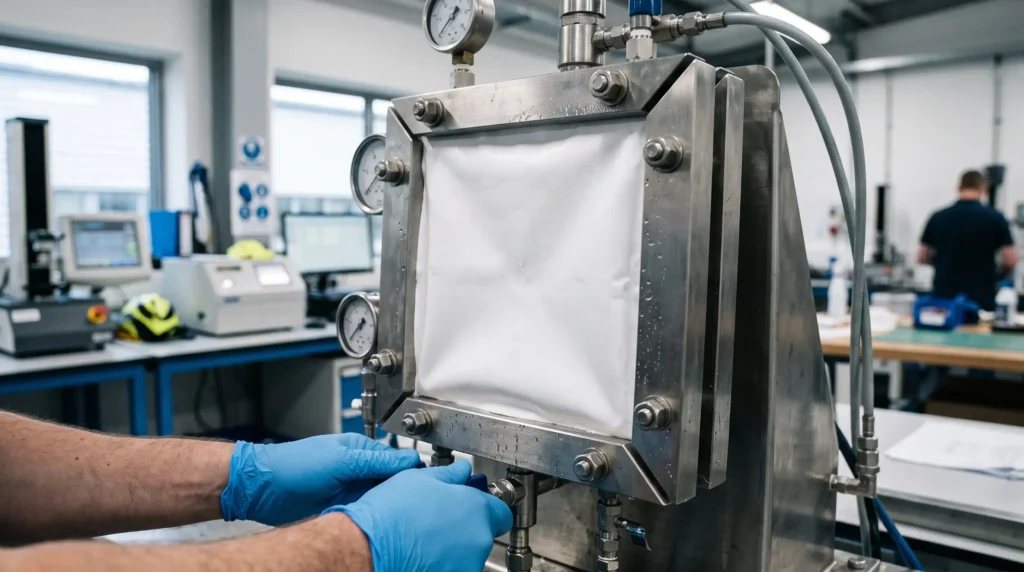
How PTFE is Processed into Composite Shoe Materials
Because a raw PTFE membrane is incredibly thin and delicate—often resembling a fragile piece of tape—shoe factories cannot use it directly on the sewing line.
To make it usable, specialized material suppliers like Galetex laminate the PTFE film with other shoe upper materials. By bonding the membrane between a durable outer fabric (like abrasion-resistant nylon) and a soft inner lining, we create a 3-layer or 2-layer composite shoe material. This laminated package protects the PTFE from tearing during the shoe manufacturing process and ensures long-lasting performance for the end user.
Why Choose Galetex for Your Membrane Needs?
Sourcing the right technical textiles can make or break a footwear project. As an expert in waterproof shoe materials and functional laminations, Galetex provides global footwear manufacturers with precisely engineered composite fabrics.
Whether you need the elite performance of a PTFE membrane for a premium outdoor boot, or a cost-effective TPU solution for a commercial sneaker line, our team can customize the thickness, width, and textile combinations to meet your exact specifications. Focus on designing great shoes, and let us handle the complex material science behind them.