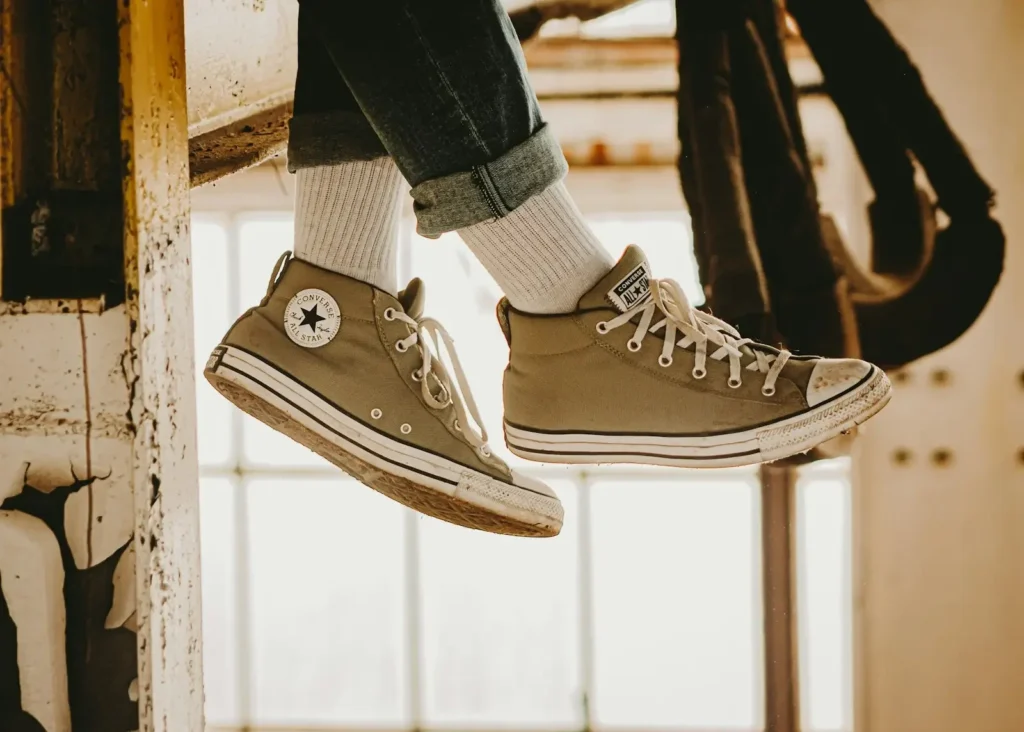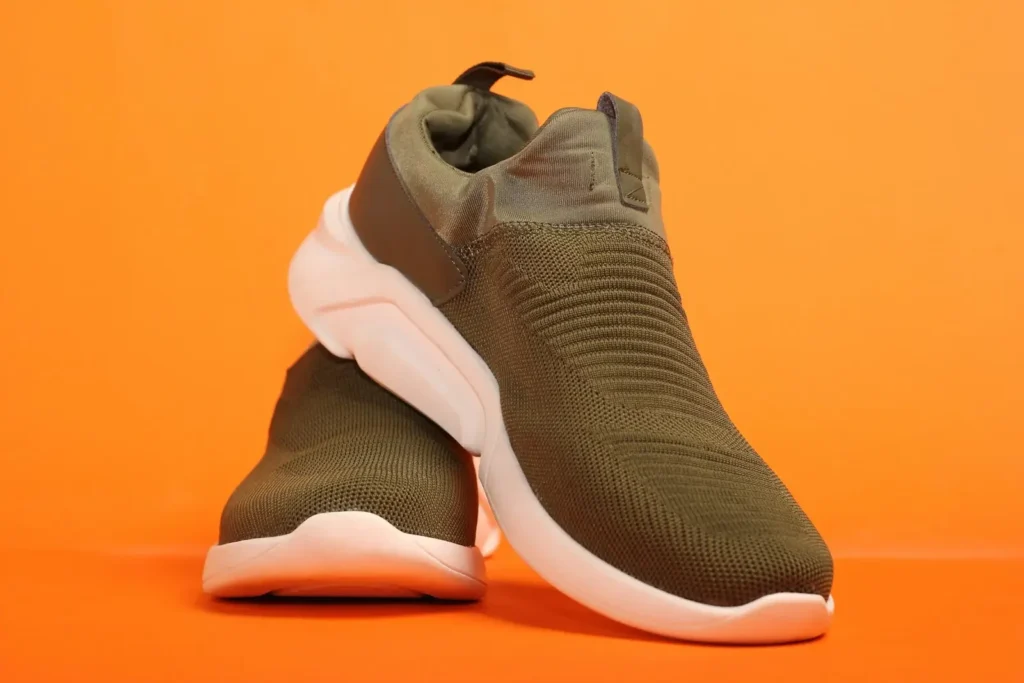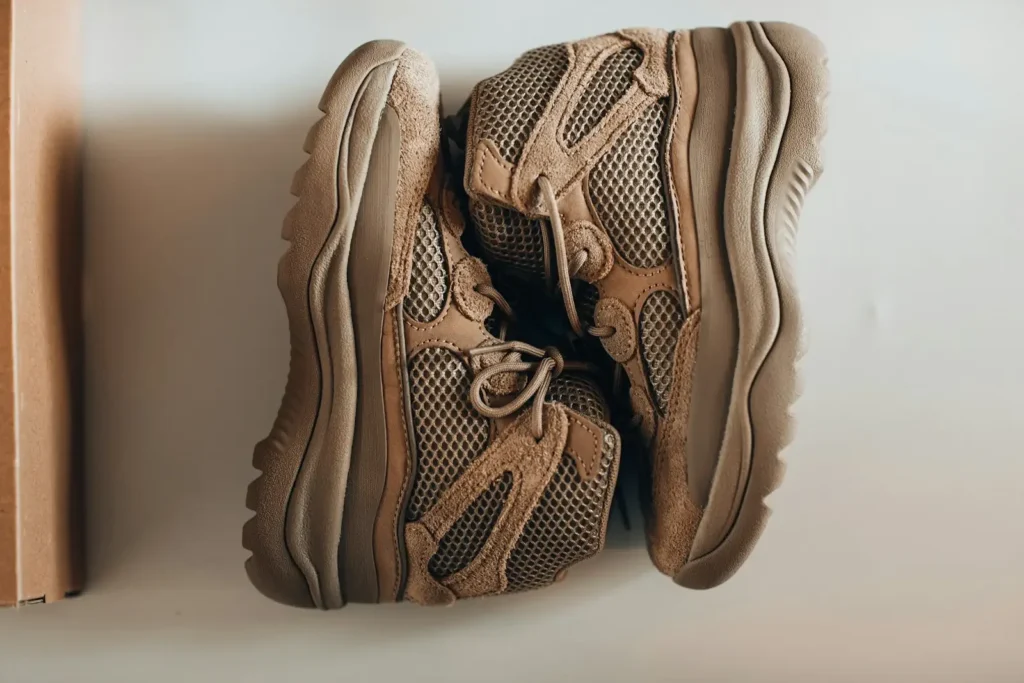
When footwear manufacturers need to add weather protection to a shoe line without significantly increasing production costs, they often turn to the PU membrane. Polyurethane (PU) has been a staple in the textile and footwear industries for decades, offering a versatile and reliable solution for weatherproofing.
In this guide, we will explore what a PU membrane is, why it remains a popular choice, and how it compares to other advanced materials used in modern shoe manufacturing.
Understanding the PU Waterproofing Membrane
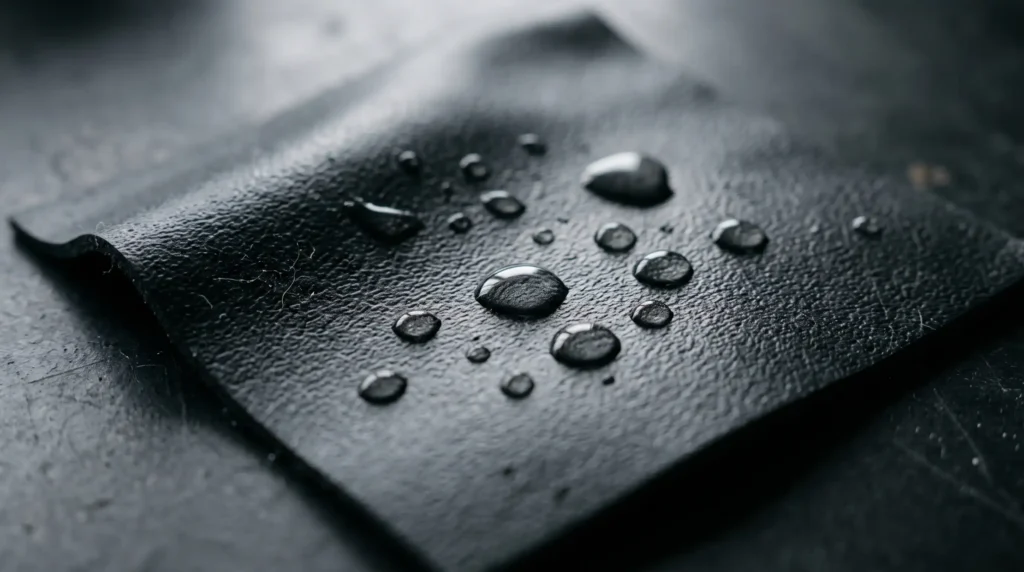
A PU membrane is a thin film made from Polyurethane. Unlike microporous materials like PTFE, standard PU membranes are typically solid (hydrophilic). They do not have physical pores; instead, they manage moisture through a chemical process.
The solid structure acts as a complete physical barrier to liquid water, making it a highly effective PU waterproofing membrane. When the foot sweats, the hydrophilic nature of the polyurethane absorbs the moisture vapor on the inside and pushes it outward to the drier exterior environment.
Why Choose a PU Waterproofing Membrane?
For many commercial footwear brands, the PU membrane offers the perfect balance of performance and value. Here are the key benefits:
1. Cost-Effective Weather Protection
Compared to premium options like PTFE, PU is significantly more affordable to produce. This allows brands to offer waterproof footwear at a more accessible price point for everyday consumers.
2. Reliable Waterproofing
Because standard PU membranes are solid films, they provide excellent resistance to water penetration. When tested against global footwear testing standards, a high-quality PU membrane can easily handle daily rain and wet conditions.
3. Good Flexibility
Polyurethane is inherently flexible. It moves well with the natural bending of the foot during walking or light jogging, preventing the upper material from stiffening or cracking over time.
PU vs. TPU Membrane: What’s the Difference?
When sourcing materials, you will often see both PU and TPU membrane options. While related, they have distinct differences:
- PU (Polyurethane): Generally softer and very cost-effective. It is ideal for casual waterproof shoes, fashion boots, and light-duty winter footwear.
- TPU (Thermoplastic Polyurethane): A more advanced variation that offers higher elasticity, better cold resistance, and improved durability. It is the preferred choice for performance sports shoes and rugged outdoor boots.
Applications in Footwear Manufacturing
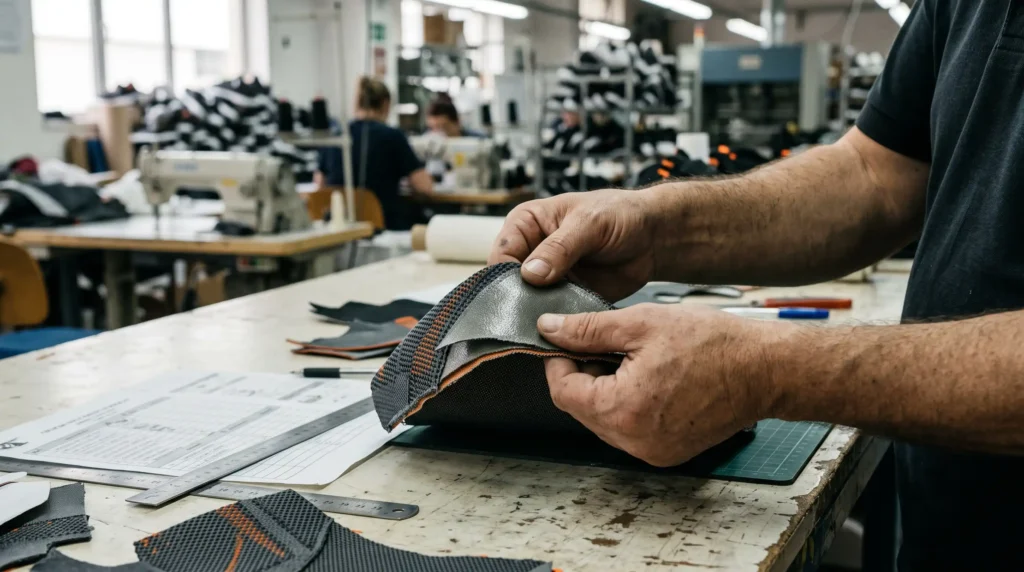
Because handling ultra-thin PU films is challenging during shoe assembly, material suppliers rarely sell the raw film to shoe factories.
Instead, the PU membrane is laminated with lining fabrics (like mesh or fleece) to create functional composite shoe materials. These ready-to-use laminated fabrics can be easily cut and sewn into the shoe’s inner bootie construction, providing seamless waterproof protection.
Typical applications include:
- Casual waterproof sneakers
- Urban winter boots
- Light-duty hiking shoes
- Water-resistant work footwear
Source Quality Polyurethane Shoe Materials with Galetex
Whether your next footwear project requires an economical PU waterproofing membrane or an advanced TPU laminated solution, Galetex is your reliable partner. We supply customized technical footwear materials that meet the diverse needs of global shoe manufacturers, ensuring your products perform perfectly in any weather.