Most footwear buyers judge a shoe by its outer appearance: the upper, the sole, the design. Yet the layer that determines whether that shoe stays comfortable after hour six of wear is hidden inside. The lining is the material in permanent contact with the foot, and it controls moisture, friction, hygiene, and fit perception. For footwear brands and sourcing teams, specifying the wrong lining is one of the fastest ways to generate returns, negative reviews, and warranty claims.
There is no single best material for every shoe. For dress shoes and premium year-round footwear, full-grain leather is the benchmark lining because it breathes, absorbs up to a third of its weight in moisture, and conforms to the foot over time. For athletic and high-output footwear, moisture-wicking polyester mesh and engineered knit textiles deliver the best balance of airflow, fast drying, and low weight. The right choice depends on the shoe category, the target climate, and the price tier.
The sections below explain what a shoe lining actually is, compare the main material families on measurable criteria, and show how to match each option to a specific type of footwear.
What Is the Inside Lining of a Shoe Called?
The inside lining of a shoe is simply called the shoe lining. It is the layer of material bonded or stitched to the interior of the upper, and it is the only part of the shoe in continuous contact with the foot. Individual zones carry their own names: the quarter lining covers the sides and heel area, the vamp lining protects the toe region, the tongue lining sits beneath the laces, and the heel counter lining grips the back of the heel.
A well-specified shoe lining material performs several jobs at once:
- Manages perspiration by absorbing sweat and releasing it as vapor
- Reduces friction between the foot and the upper to prevent blisters
- Hides seams, reinforcements, and raw edges inside the shoe
- Adds structure and helps the shoe hold its shape
- Improves the perceived fit by cushioning pressure points
Because each zone experiences different stress, professional shoe construction often specifies different materials for the quarter, vamp, and heel areas rather than a single lining throughout the shoe.
Key Performance Criteria for Shoe Lining Materials
A high-performance lining must combine water vapor permeability, moisture absorption, abrasion resistance, low friction, thermal regulation, and odor control. Breathability is the most decisive factor, because an average pair of feet releases well over 100 ml of perspiration per day, and trapped moisture is the root cause of most in-shoe discomfort.
Leading footwear laboratories evaluate these properties with standardized methods. The SATRA TM47 water vapor permeability and absorption test, developed by the SATRA research and testing organization, simulates the warm, humid conditions inside a worn shoe and measures how much moisture passes through a material combination and how much it retains. When comparing breathable materials for shoes, sourcing teams should assess five core criteria:
- Moisture management: permeability plus absorption, tested on the full lining assembly
- Abrasion resistance: the lining must survive repeated foot entry and shear without wearing thin
- Surface friction: a dry, stable surface keeps the foot from sliding forward inside the shoe
- Thermal behavior: insulation for winter footwear versus heat dissipation for summer styles
- Hygienic performance: resistance to odor-causing bacteria and fungal growth
Note that the lining and the shoe upper material play different roles: the upper faces the environment, while the lining manages the microclimate against the skin.
Common Shoe Lining Materials Compared
The main shoe lining materials are full-grain leather, cotton and polyester textiles, moisture-wicking mesh, and synthetic or foam-backed composites. Leather leads on natural moisture buffering and longevity, mesh leads on airflow and drying speed, and synthetics lead on cost efficiency, so each family occupies a distinct position in the footwear market.
The four families below account for nearly all lining specifications in commercial footwear production.
Leather Lining
Leather remains the premium reference for shoe linings. Its fibrous structure absorbs 25 to 30 percent of its weight in moisture before the surface feels wet, then releases it during rest periods, which keeps the skin dry over long wear. Research on footwear upper materials following SATRA benchmarks classifies water vapor permeability above 5.0 mg/cm2/h as very good, and quality chrome-tanned lining leathers comfortably exceed this level, as documented in university research on footwear material comfort properties. Leather also molds to the foot shape and lasts three to five years of regular wear. The trade-offs are cost and maintenance: leather requires periodic conditioning and adequate drying time between wears.
Textile Lining: Cotton and Polyester
Cotton is naturally breathable, soft, and hypoallergenic, which makes it comfortable against bare skin. Its weakness is that it absorbs moisture and holds it, so cotton linings stay damp in humid conditions and chill the foot in cold weather unless the shoe ventilates well. Polyester is the opposite: it is inexpensive, hydrophobic, and quick drying, but a plain polyester lining blocks airflow and traps sweat, which is why it is usually engineered into meshes or treated with wicking finishes rather than used as a flat weave.
Mesh and Moisture-Wicking Synthetics
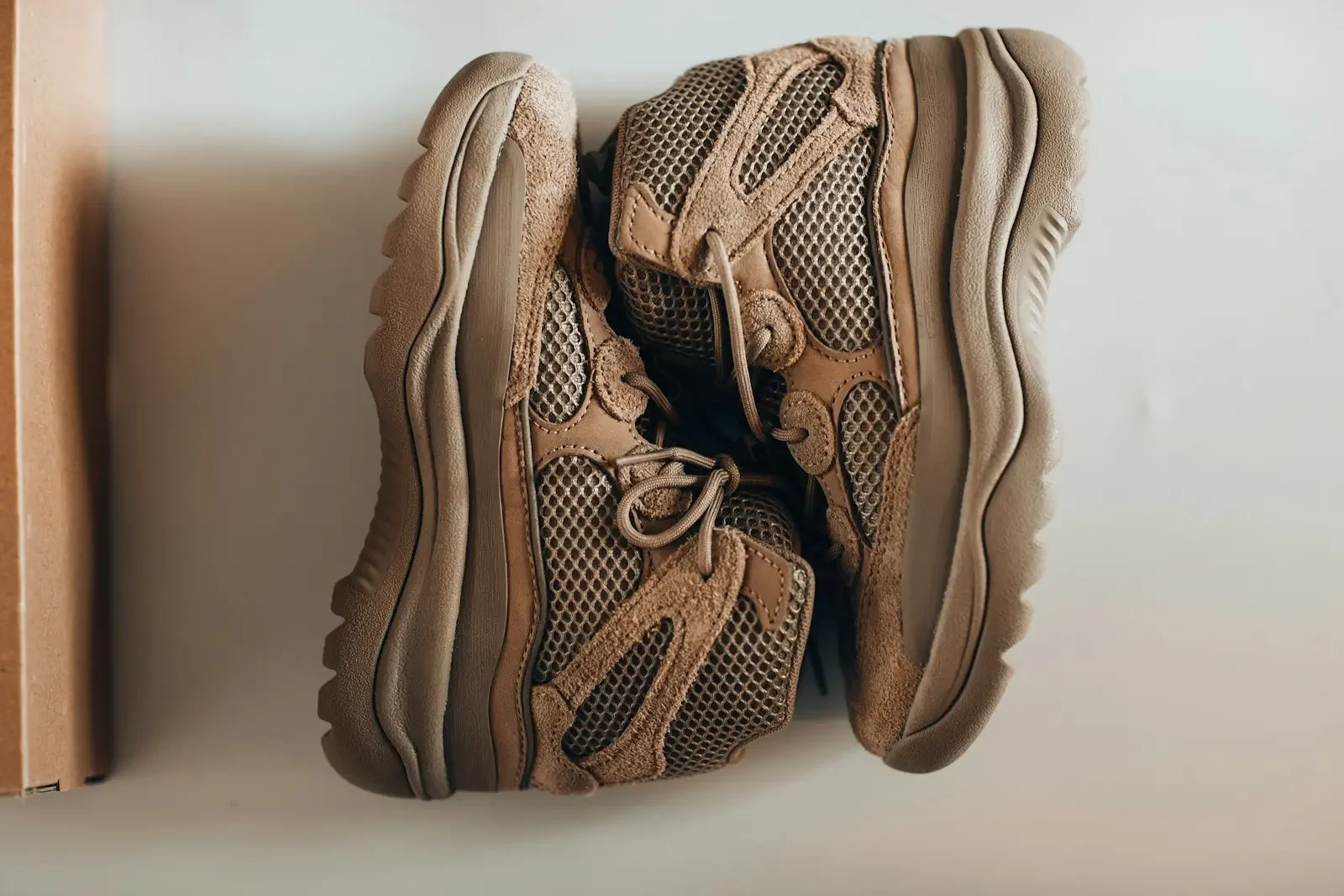
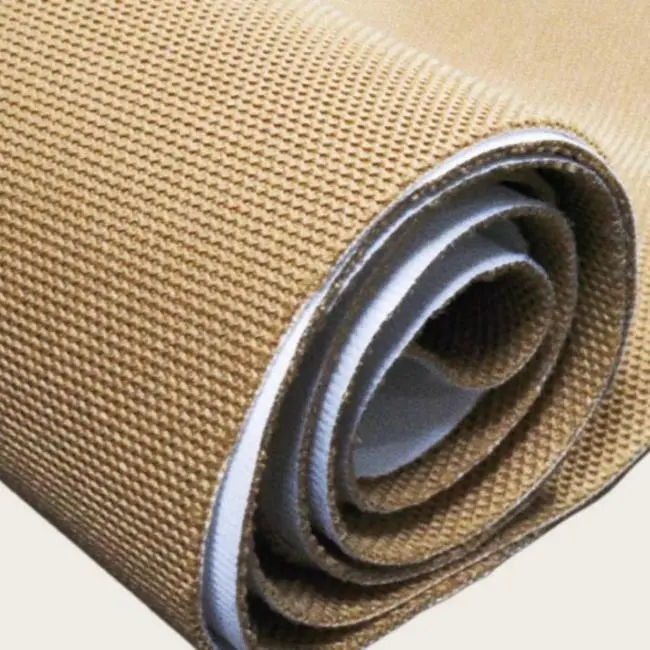
Mesh linings are built from an open network of fibers that allows air to circulate directly through the material, making them the standard for athletic and casual footwear. A modern moisture-wicking mesh fabric combines an open knit structure with capillary-action yarns that pull sweat off the skin and spread it for rapid evaporation. This category is lightweight, dries quickly, and resists odor when paired with antimicrobial treatments, although fine meshes can be less durable than denser weaves.
Synthetic and Foam-Backed Lining
Microfiber linings imitate the soft hand feel of leather at a fraction of the cost and resist abrasion well. Foam-backed constructions add cushioning but sharply reduce vapor transmission, while polyurethane-coated synthetic leather is water resistant and easy to clean yet close to non-breathable. These options dominate the value segment where cost per pair matters more than all-day comfort.
| Material | Breathability | Durability | Relative Cost | Best For |
| Full-grain leather | High | Excellent | High | Dress shoes, premium boots |
| Cotton textile | Good, slow drying | Moderate | Low | Slippers, open casual styles |
| Polyester mesh | Very high | Good | Low to mid | Running, training, sneakers |
| Microfiber synthetic | Moderate | Very good | Mid | Value footwear, work shoes |
| Foam-backed composite | Low | Good | Low | Casual and entry-level shoes |
Which Fabric Is Best for Lining?
The best lining fabric depends on the shoe category rather than any absolute ranking. Moisture-wicking polyester mesh is the best choice for athletic and everyday casual footwear, full-grain leather is the best fabric for dress shoes and year-round premium wear, wool or fleece-type blends are best for winter footwear, and waterproof membrane composites are best for outdoor and occupational shoes.
For buyers who need a single general-purpose answer: a moisture-wicking synthetic mesh offers the widest usability across climates and activities, while leather is unmatched for barefoot comfort and longevity. The decision framework is straightforward:
- Dress and formal shoes: leather, because it manages bare-skin moisture and conforms to the foot
- Running and training shoes: engineered mesh with wicking treatment, because airflow and drying speed dominate
- Winter boots: wool or fleece-type insulation linings, because trapped warm air is the priority
- Hiking and work footwear: durable textiles with abrasion-resistant heel zones, often paired with a membrane
- Budget mass-market styles: microfiber or polyester, accepting shorter lifespan at low cost
Matching the fabric to the use case is more important than chasing the highest-rated material on paper.
What Is the Healthiest Shoe Material?
The healthiest shoe materials are those that keep the foot dry, primarily breathable natural leather and moisture-wicking engineered textiles. A dry in-shoe microclimate suppresses the bacteria and fungi responsible for foot odor, athlete’s foot, and skin irritation, while trapped sweat softens the skin and invites infection.
Footwear research has repeatedly shown that prolonged humidity inside the shoe leads to skin maceration, soreness, and fungal growth. From a foot-health perspective, the hierarchy is clear: porous natural materials and engineered wicking textiles allow vapor to escape continuously, so the skin surface stays dry and intact. Occlusive materials such as polyurethane-coated synthetic leather block vapor almost entirely, and against bare skin they raise humidity fast. Buyers with sensitive skin should also prioritize hypoallergenic natural fibers such as cotton and untreated leather, plus linings with verified antimicrobial finishes, since these actively limit microbial colonization between wears. In short, the healthiest choice is any material that moves moisture away from the skin faster than the foot produces it.
How to Prevent Shoe Lining from Peeling
Shoe lining peels when the bond between the lining and the upper fails, so prevention starts at the specification stage: choose stitched attachment over full-surface adhesive bonding, require adequate fabric weight, and protect finished footwear from heat and repeated saturation.
Peeling, flaking, and delamination are almost always traceable to four causes: cheap adhesive, low fabric weight, moisture exposure, and heat. The following measures address each one in order of impact:
- Select the right attachment method. Strobel-stitched or otherwise sewn linings are far more durable than linings that are only glued, because stitches keep the layers engaged even after the adhesive ages.
- Specify a minimum fabric weight. Textile linings below roughly 120 GSM lose both durability and moisture-handling capacity, and thin linings delaminate sooner.
- Set a bond-strength requirement. A peel strength specification for the lining-to-upper adhesive gives the factory a measurable target instead of a verbal promise.
- Manage moisture in use. Rotating pairs, drying shoes fully between wears, and using absorbent inserts prevent the repeated wet-dry cycles that break down adhesives.
- Clean without soaking. Hand cleaning with minimal moisture preserves the adhesive layer that machine washing destroys.
These measures cost little at the sourcing stage and eliminate the single most common lining complaint in the aftermarket.
How to Choose the Right Lining Material for Your Footwear Line
Match the lining to end use, target climate, and price tier, then lock the decision into a measurable specification: material family, fabric weight, treatment requirements, and test methods for permeability and bond strength.
For footwear brands, a lining specification should read like a technical document rather than a material name. A practical checklist:
- Define the shoe category, wear duration, and whether the foot contacts the lining bare or with socks
- Confirm the target market climate, since hot-humid markets punish low-permeability linings
- State the material family, construction, and minimum GSM for each lining zone
- Require test reports for water vapor permeability, abrasion, and color fastness to perspiration
- Decide on finishes: moisture-wicking, antimicrobial, or both
- Evaluate sustainability options, because recycled polyester and plant-based fiber linings increasingly appear in sustainable footwear materials programs at a modest cost premium
Suppliers that can document these properties turn the lining from a hidden cost center into a durable competitive advantage.
FAQs
The most common follow-up questions about shoe lining concern its service life, whether damage can be fixed, and how waterproofing interacts with breathability.
How long does shoe lining typically last?
Quality leather linings commonly last three to five years of regular wear, while textile and mesh linings typically serve one to three years depending on wear frequency and drying habits. Abrasion at the heel counter and lining delamination are the usual failure points that end a lining’s service life.
Can damaged shoe lining be repaired?
Minor damage is repairable: heel grip patches and toe protectors cover localized wear, and a cobbler can re-glue lifted sections or partially re-line a shoe. Full re-lining is only economical for welted premium footwear, since it requires stripping and rebuilding the interior.
Does waterproof shoe lining reduce breathability?
Any waterproof barrier reduces breathability somewhat, but modern breathable membranes allow vapor to escape while blocking liquid water, limiting the loss. The key specification is the membrane’s moisture vapor transmission rating, and footwear intended for sustained activity should always pair a membrane with a wicking lining rather than a coated, non-breathable one.