Introduction to the TPU Waterproof Membrane
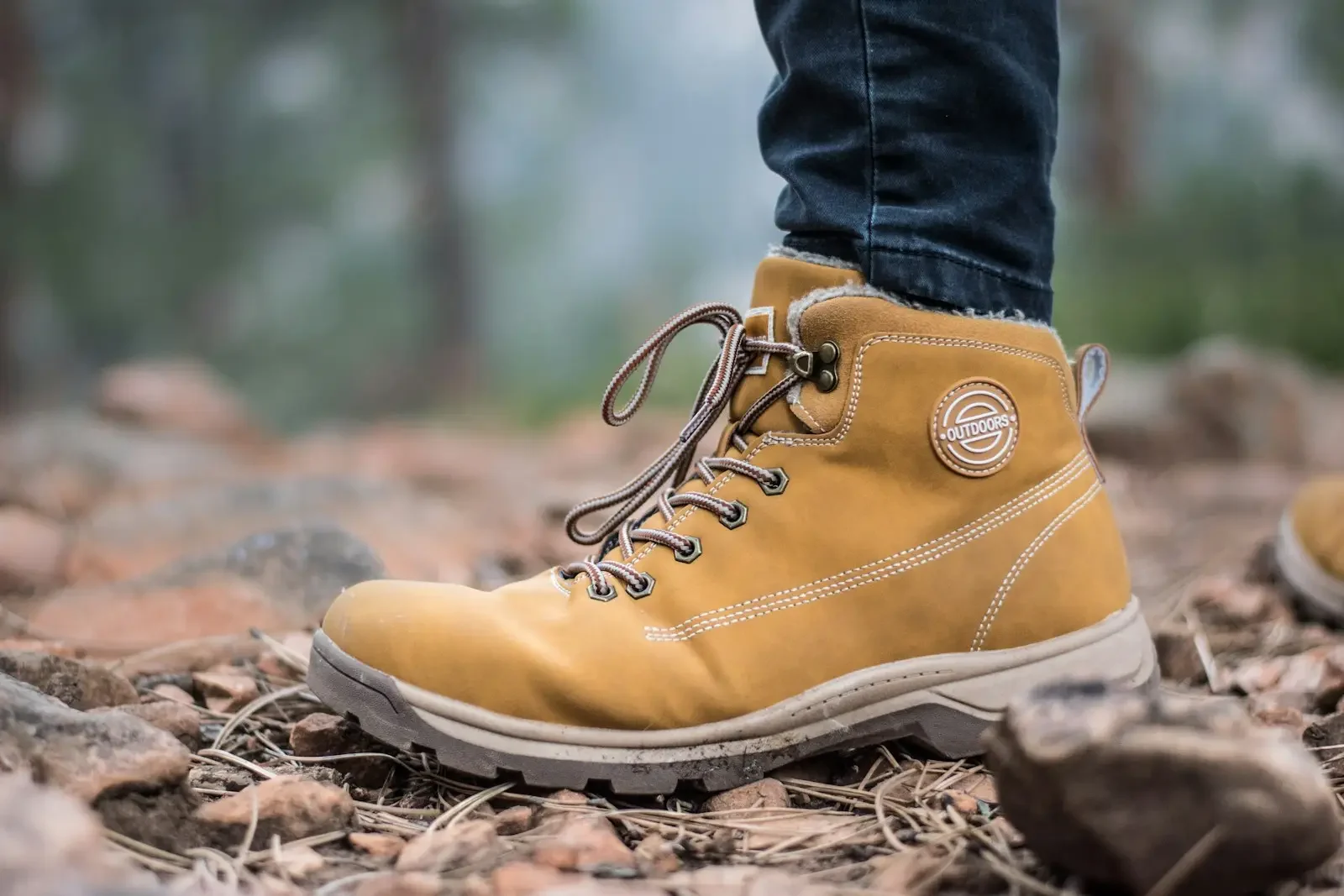
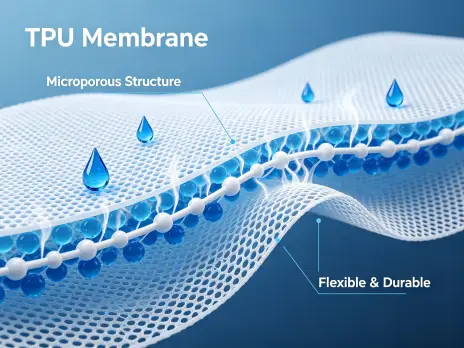
As the most widely used mid-range balanced waterproof membrane in the footwear industry, the TPU waterproof breathable membrane features excellent mechanical properties including high elasticity, strong tear resistance and bending endurance, and remains flexible without brittleness under low temperatures. It also has good wash resistance and hydrolysis resistance, and is compatible with hot pressing, cold bonding and high-frequency lamination processes, ensuring firm bonding without shrinkage or blistering, with an excellent balance between performance and cost. Compliant with European and American environmental export standards, it comes in fixed transparent and milky white colors with customizable thickness and width, suitable for medium-to-high intensity waterproof scenarios such as hiking shoes, work safety shoes, mid-range outdoor apparel and waterproof backpacks.
Features of TPU Waterproof Membrane
Industry's Most Widely Adopted Membrane:
You share product specifications, application scenarios, functional demands, order quantity and delivery requirements.
Superior Mechanical Properties:
Outstanding high elasticity, strong tear resistance and exceptional bending endurance (no brittleness or cracking after thousands of flex cycles) ensure long-term durability in active footwear.
Reliable All-Climate Performance:
Remains flexible and elastic in sub-zero temperatures without hardening, and resists hydrolysis degradation in hot, humid conditions — truly climate-versatile.
Full Process Compatibility:
Excellent thermoplasticity ensures firm, bubble-free bonding with hot pressing, cold bonding and high-frequency lamination — no shrinkage, blistering or delamination.
Best Performance-Cost Balance:
Delivers near-premium performance at a mid-range price point, offering the optimal value proposition for competitive mid-market footwear and outdoor products.
Export-Compliant & Customizable:
Meets European and American environmental standards; available in transparent and milky white with fully customizable thickness and roll width.
Custom Service
We support custom shoes membrane materials based on different footwear applications, production needs, and performance requirements. From fabric structure to color, thickness, lamination, and roll size, our material options can be adjusted for sports shoes, casual shoes, outdoor shoes, work shoes, boots, and OEM/ODM projects.
- Suitable for bulk footwear production
- Support sample confirmation before mass order
- Flexible material options for different shoe types
- Custom specifications based on project requirements
| Item | Customization Status | Details |
|---|---|---|
| Material Selection | ✓ Customizable | TPU, PTFE, and PU materials available to match different performance requirements and budget levels. |
| Thickness | ✓ Customizable | Thickness can be customized for lightweight applications or enhanced water-pressure resistance. |
| Width | ✓ Customizable | Standard width, customized narrow/wide width, fixed-length slitting, and roll packaging available. |
| Packaging | ✓ Customizable | Standard roll packaging, moisture-proof packaging, export packaging, and custom shipping marks supported. |
| Color | ✕ Fixed | Available only in transparent and milky white. Other color options are not available. |
| Gram Weight | ✕ Fixed | Fixed specification and cannot be adjusted. |
| Surface Texture | ✕ Fixed | Smooth surface only. Embossed or textured finishes are not available. |
Related Products
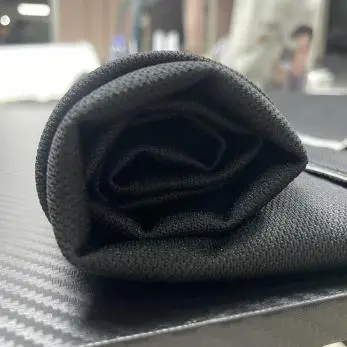
Introduction to the Black D01 Mesh 3Layer This three-la […]
More Information
What waterproof grade can the fabric reach? How about air permeability?
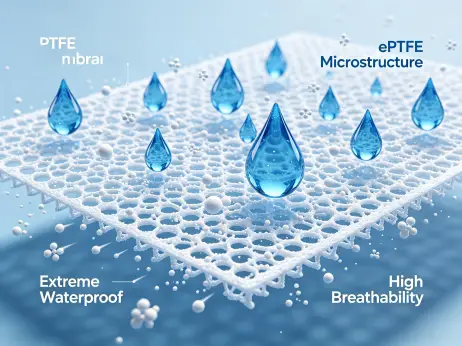
Our fabrics deliver high-level waterproof performance. Made of premium TPU/PTFE films, they deliver reliable waterproof performance while maintaining great breathability.
How about wear resistance and bending resistance?
The fabrics resist friction and repeated bending. No crack or delamination occurs, suitable for outdoor and work scenarios.
What is the difference between hydrophilic and microporous TPU membranes?
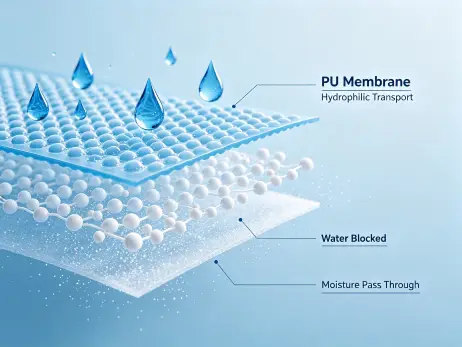
Hydrophilic TPU (pore-free) uses molecular chain hydrophilic groups to transfer moisture vapor — it offers better stain resistance and consistent long-term performance since there are no pores to clog. Microporous TPU uses physical micropores for faster moisture vapor transmission — it provides quicker breathability response ideal for high-intensity activities. Our team helps you select the optimal type based on your specific end-use requirements.
Is TPU membrane compatible with high-frequency welding processes?
Yes, TPU’s excellent thermoplasticity makes it highly compatible with high-frequency welding, hot pressing, and ultrasonic bonding processes. The material flows and bonds firmly without degradation, ensuring strong, consistent lamination across all thermal bonding methods used in footwear manufacturing.
Does extreme temperature affect the fabric performance?
The fabric has stable physical properties. It will not harden in cold weather or stick in high temperature, adapting to various climates.
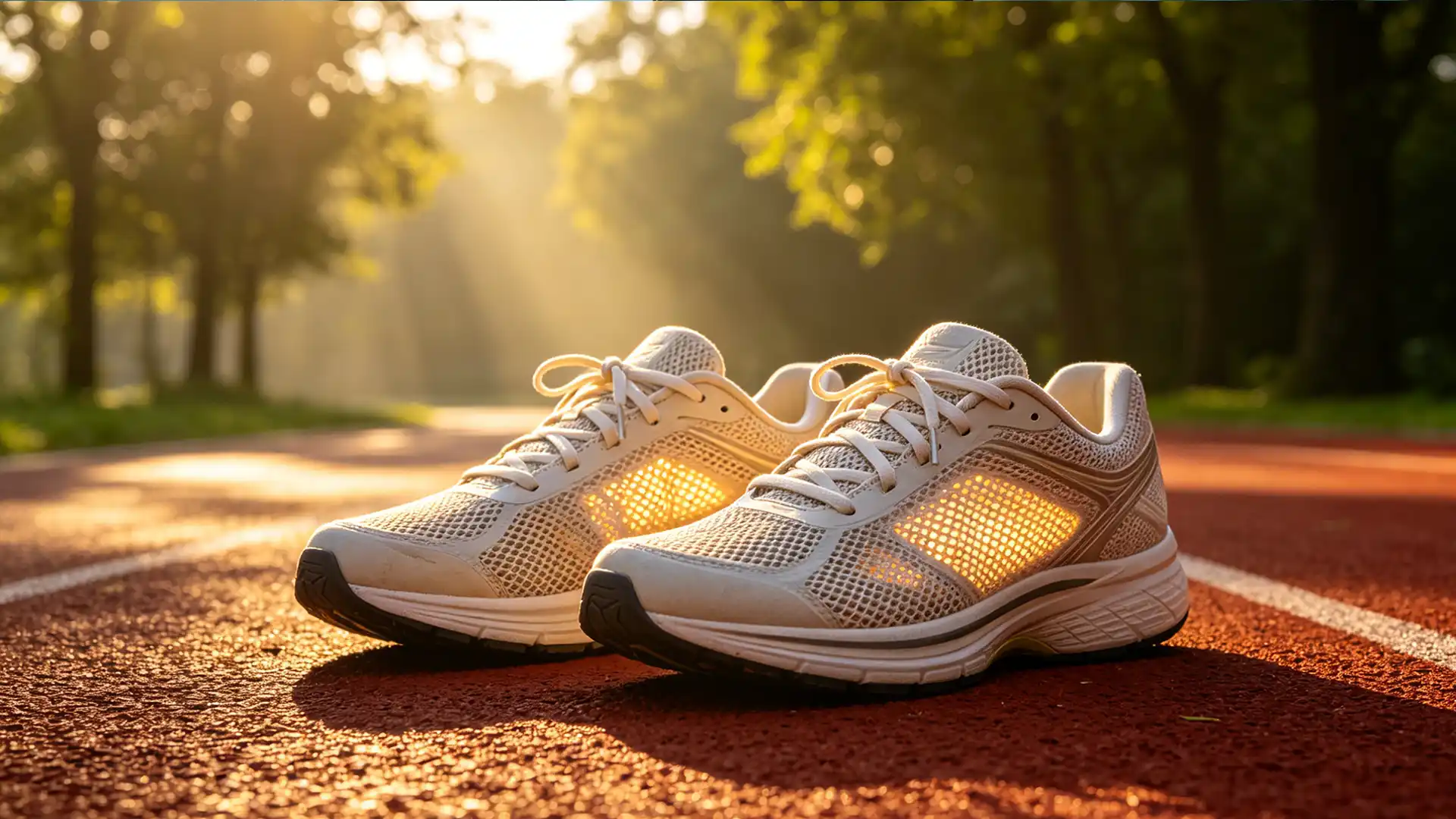
What Is Breathable Material for Shoes? How Does It Work?
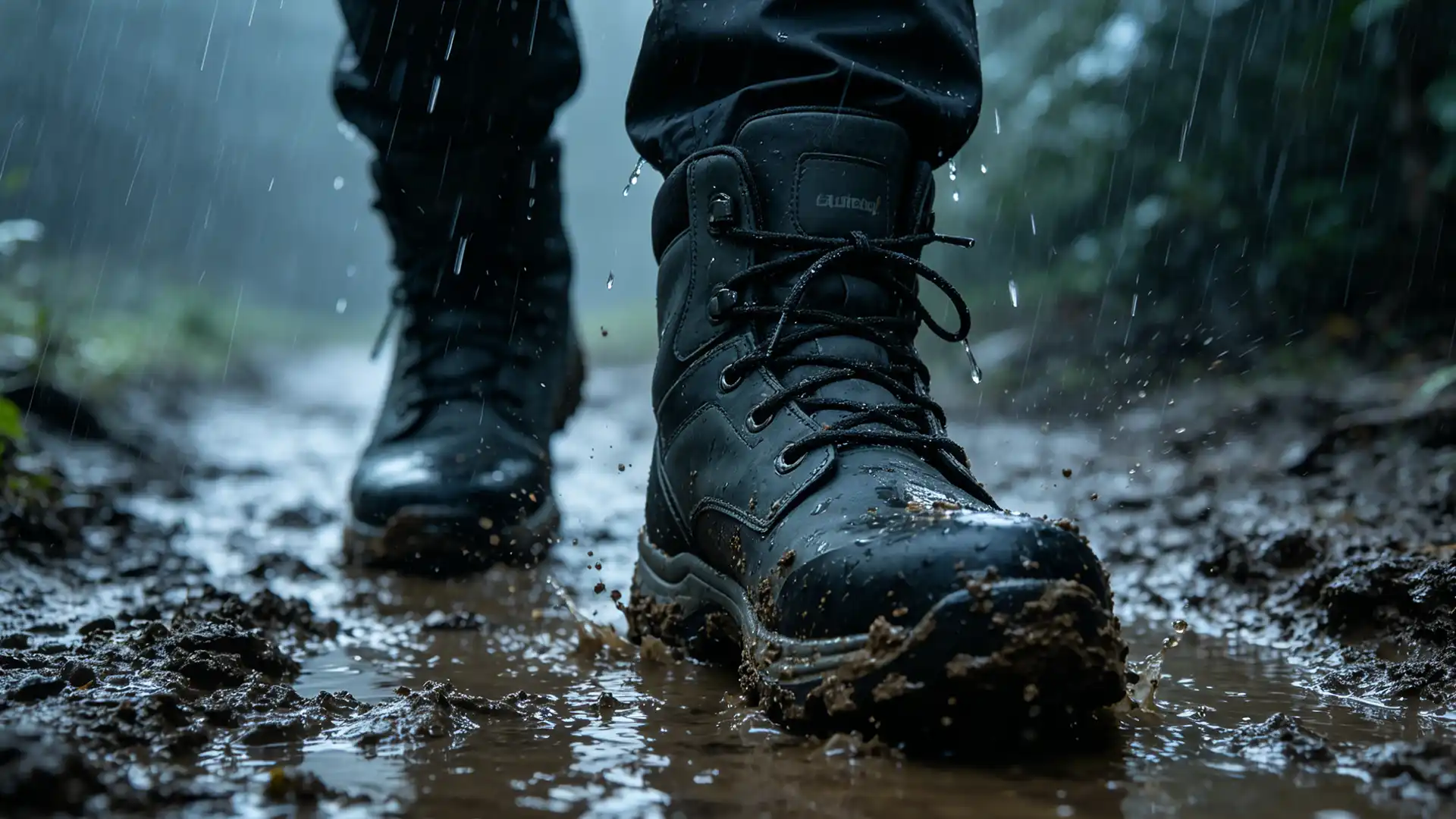
Best Waterproof Materials for Shoes