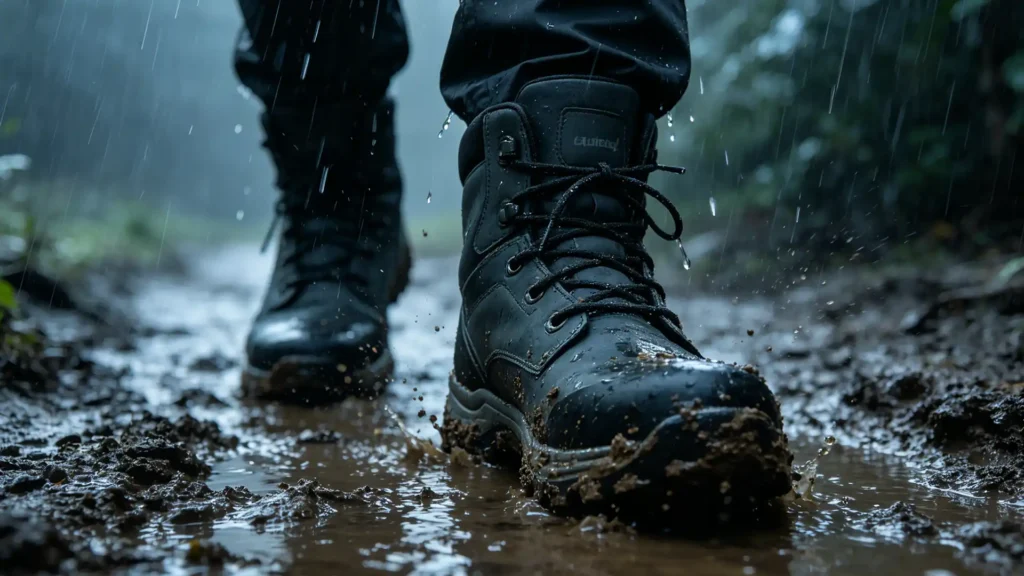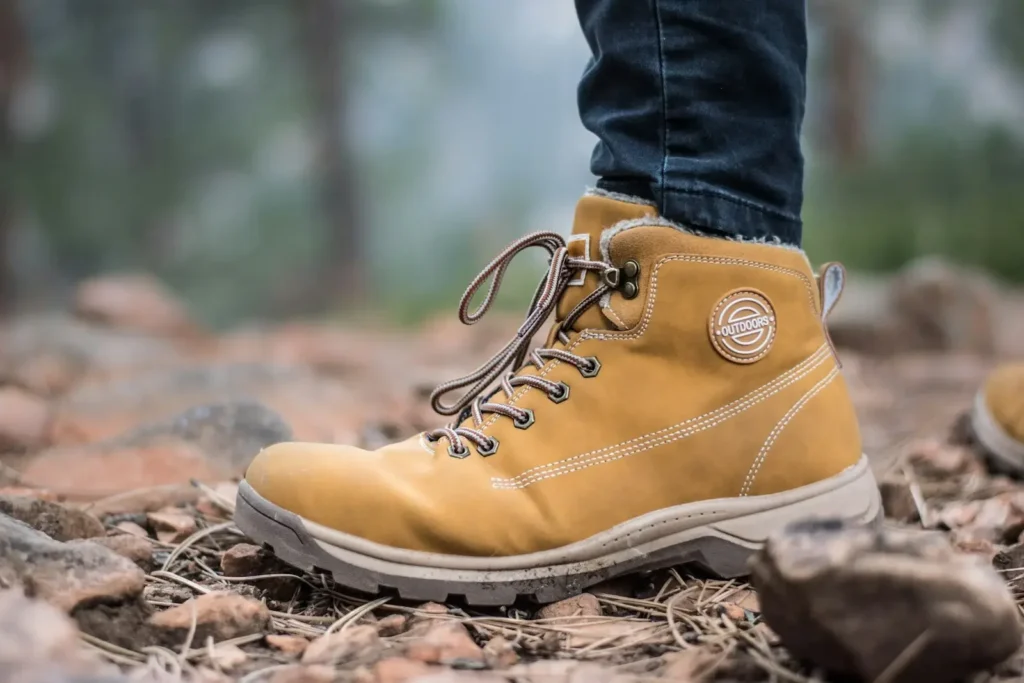
Fabric shoes have become a wardrobe staple for everyday wear, athletic activities, and casual work environments because they are lightweight, breathable, and generally easy to maintain. Yet one question keeps coming up for both individual wearers and bulk buyers who manage large inventories: how do you actually keep them clean without damaging the material? Many people assume that any pair made from cloth or mesh can simply go into the laundry like a t-shirt, but the reality is more nuanced and depends heavily on the construction of each pair.
Yes, you can put most fabric shoes in the washing machine, but only when the upper, lining, and adhesives are designed to withstand water and agitation; always remove laces and insoles, use a gentle cycle with cold water, and air dry. Shoes built with leather trim, heavy structural glues, or waterproof membranes should be kept out of the machine.
Whether you are a consumer trying to extend the life of a favorite pair or a procurement manager evaluating care instructions for a bulk order, understanding the materials behind your footwear is the first step toward safe cleaning.
What Are Fabric Shoes Made Of?
Fabric shoes are built from a textile upper, a supportive lining, and bonded adhesives, and the exact composition of each layer determines whether the pair can survive a machine wash without losing shape or performance.
Most casual and athletic footwear uses a layered construction where the visible outside is only one part of a more complex assembly. Knowing these layers helps explain why some pairs wash well and others fall apart.
The Upper Layer
The upper is the part you see and feel, and it is usually the reason a shoe is described as “fabric.” Common options include woven cotton, polyester mesh, knit synthetics, and bonded textile composites. Understanding the range of Shoes Upper Material is useful because each textile reacts differently to heat and friction. A tightly woven canvas upper tolerates agitation far better than a delicate open knit, while a reinforced synthetic weave may hold its structure even after repeated cycles.
Linings and Internal Reinforcement
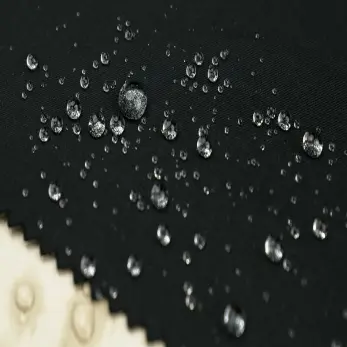
Inside the shoe, a lining provides comfort and moisture management, and it is often bonded to the upper with heat-activated glue. Buyers who source from established Shoes Fabric Manufacturers typically receive specification sheets that list lining composition, which matters because some linings shrink or delaminate when soaked. Foam padding, heel counters, and toe boxes add structure but also introduce weak points where water can loosen adhesives.
Stitching and Adhesives
Even when the fabric itself is washable, the way pieces are joined determines real-world durability. Cemented construction relies on glue that can soften in warm water, whereas stitched seams are more resilient. This is why care labels almost always mention temperature: the fabric may be fine, but the bond holding it together is the vulnerable element.
Can You Put Fabric Shoes in the Washing Machine?
You can machine wash fabric shoes when the materials are fully synthetic or cotton-based, the construction is stitched or well bonded, and you use cold water with low agitation; you should not when the pair contains leather, suede, or sensitive membrane layers.
The short answer hides a longer list of conditions. A washing machine is essentially a controlled environment of water, motion, and sometimes heat, and every component of the shoe responds to those forces. The upper might be perfectly washable while the insole foam compresses, or the fabric might survive while the decorative trim cracks.
Several factors decide the outcome. First, check the care label, because manufacturers test their own products and will state the safe method. Second, consider the age of the pair; older shoes have adhesives that have already begun to break down and are far more likely to separate. Third, think about the cycle: a modern front-loader on a delicate setting is much gentler than an aggressive top-loader with an agitator post. Finally, temperature is critical, since warm or hot water accelerates glue failure and can set stains rather than remove them.
A useful rule of thumb is to ask whether the shoe is built like athletic gear or like fashion footwear. Performance-oriented pairs with Durable Material for Shoes are engineered to endure sweat, rain, and repeated cleaning, while dressier fabric styles prioritize looks over resilience.
Which Fabric Shoes Are Safe to Machine Wash?
Canvas, cotton, polyester mesh, and most synthetic knit shoes are generally safe for machine washing, while pairs with waterproof coatings, leather accents, or delicate embellishments should be hand cleaned instead.
Not all fabric is created equal, and matching the wash method to the shoe type prevents disappointment.
Canvas and Cotton Styles
Heavy canvas and cotton sneakers are the safest candidates. Their tight weave resists tearing, and the natural fibers tolerate cold water well. These are the classic “throw them in with the towels” shoes, provided you skip the dryer.
Mesh and Knit Athletic Pairs
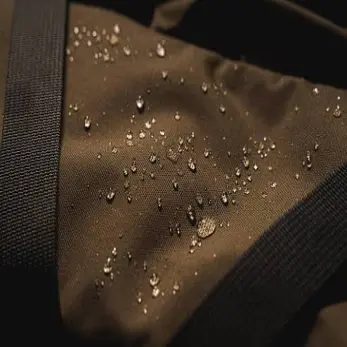
Modern running and training shoes often use engineered mesh or knit uppers that are designed to be breathable and quick drying. Products such as Oxford Fabric Upper and Three-layer Mesh Fabric represent the kind of structured textile that handles gentle washing, though the internal foam still needs air drying. A Waterproof Fabric Upper adds a protective layer that may react poorly to harsh detergent, so milder cleaning agents are advised.
Synthetic and Bonded Uppers
Bonded synthetics can go either way. If the bond is heat welded and the fabric is polyester, machine washing is usually acceptable. If the bond is a soft adhesive over a textured surface, hand washing is safer. When in doubt, test a single pair from a batch before committing an entire inventory to a machine cycle.
How to Wash Fabric Shoes in the Washing Machine
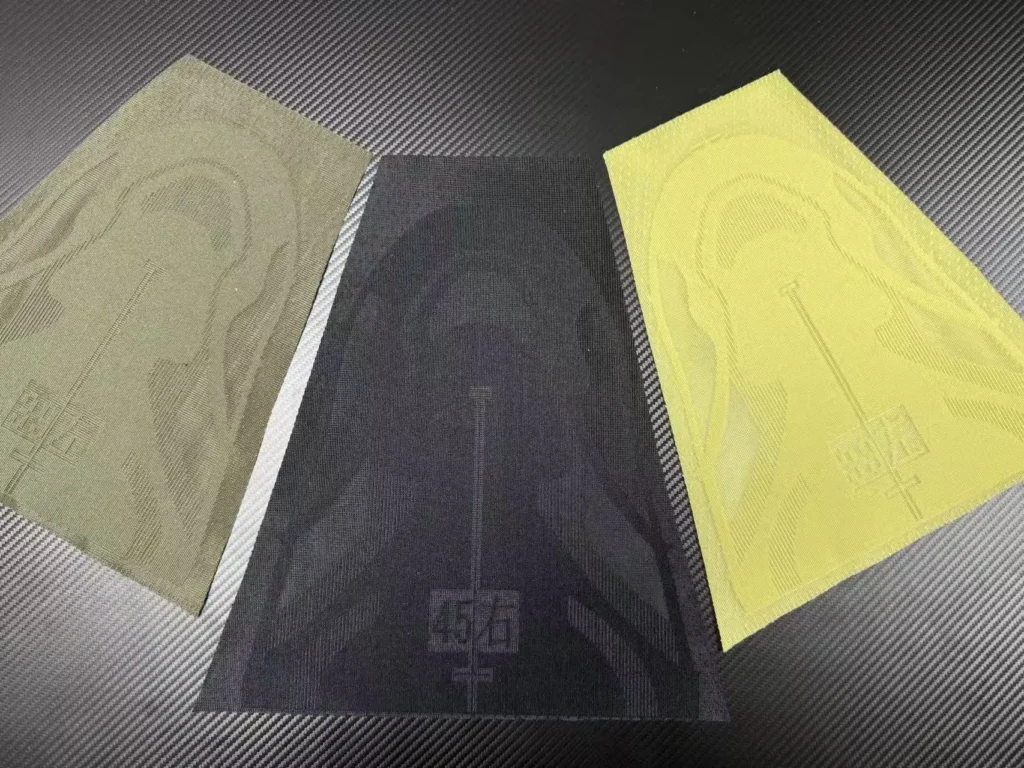
Wash fabric shoes by removing laces and insoles, placing the pair in a mesh laundry bag, using a delicate cold-water cycle with mild detergent, and then air drying away from direct heat.
A careful process protects both the shoes and the washing machine. Follow these steps for consistent results.
Prepare the Shoes
Start by knocking off loose dirt with a soft brush or a dry cloth. Remove the laces, which clean better on their own, and take out the insoles so they do not trap moisture against the fabric. Stuffing the toes with clean paper towels helps the pair hold its shape during the wash. Place the shoes inside a dedicated mesh laundry bag, and add a few old towels to balance the load and reduce impact.
Choose the Right Settings
Select a delicate or gentle cycle with cold water and a slow spin. Use a small amount of mild liquid detergent; avoid powder, which can leave residue in seams, and never use bleach unless the fabric is white and label approved. According to guidance from textile care authorities such as the American Cleaning Institute, lower temperatures and milder products extend the life of bonded garments and footwear.
Dry and Finish
Never place fabric shoes in a tumble dryer, because heat shrinks uppers and melts adhesives. Instead, reshape the pair, stuff it lightly with paper, and let it air dry at room temperature. A Waterproof Material For Shoes layer may take longer to dry completely, so allow extra time before wearing. Once dry, reinsert the insoles and laces, and the pair should look noticeably fresher.
What Can Go Wrong When Machine Washing Fabric Shoes
The main risks are shape distortion from tumbling, adhesive failure from heat and saturation, and color bleeding from untreated dyes, all of which can permanently damage an otherwise washable pair.
Even when a shoe is technically washable, mistakes during the process cause most of the damage users complain about.
Shape Distortion
The spinning drum exerts constant force that can bend a soft sole or crush a lightweight toe box. This is especially common with very flexible knits that lack internal structure. Using a laundry bag and stuffing the shoes reduces but does not eliminate the risk, which is why air drying in the correct shape matters as much as the wash itself.
Adhesive Failure
Heat is the enemy of shoe glue. Warm water plus the friction of a wash cycle can soften cemented bonds, leading to separated soles or peeled overlays. This is why cold water and a gentle cycle are non-negotiable for fabric footwear, and why Breathable Material for Shoes constructions that rely on bonding need extra caution.
Color Bleeding and Staining
Dyed fabrics can release color in water, staining the lining or neighboring items. Dark pairs washed with light towels are a classic mistake. Turning shoes inside out where possible, washing similar colors together, and using a color-safe detergent minimizes this problem.
How to Care for Fabric Shoes After Washing
After washing, fabric shoes last longer when you deodorize naturally, store them in a ventilated space, and perform light routine maintenance that prevents dirt from building up between deep cleans.
Cleaning is only half the equation; how you treat the pair afterward determines how many washes it can withstand.
Deodorizing and Freshening
Once dry, sprinkle a small amount of baking soda inside each shoe and leave it overnight to absorb residual odor, then shake it out. Avoid heavy sprays that can saturate the lining. A Shoes Lining Material designed for moisture control will already resist odor, but occasional freshening keeps things pleasant.
Proper Storage
Store fabric shoes in a cool, dry place with airflow. Stuffing them with acid-free paper helps retain shape, and keeping them out of direct sunlight prevents fading. Pairs made with Sustainable Material for Shoes often use natural fibers that appreciate breathable storage even more than synthetics.
Routine Maintenance
A quick brush after each wear prevents grit from grinding into the weave, and a spot clean with a damp cloth handles small marks before they set. This light upkeep reduces how often you need a full machine wash, which in turn extends the life of the adhesives.
When to Skip the Washing Machine Entirely
Skip the machine when shoes include leather or suede trim, built-in electronic or structural components, delicate vintage construction, or specialized membranes that require hand care to preserve performance.
Some footwear simply should never meet a wash drum, and forcing it leads to irreversible damage.
Leather, Suede, and Delicate Trim
Any fabric shoe with leather overlays, suede panels, or glued-on decoration belongs in the hand-cleaning category. Water ruins suede immediately and cracks finished leather. Even a small accent piece can be the weakest link that destroys the whole pair.
Shoes with Membranes or Specialized Layers
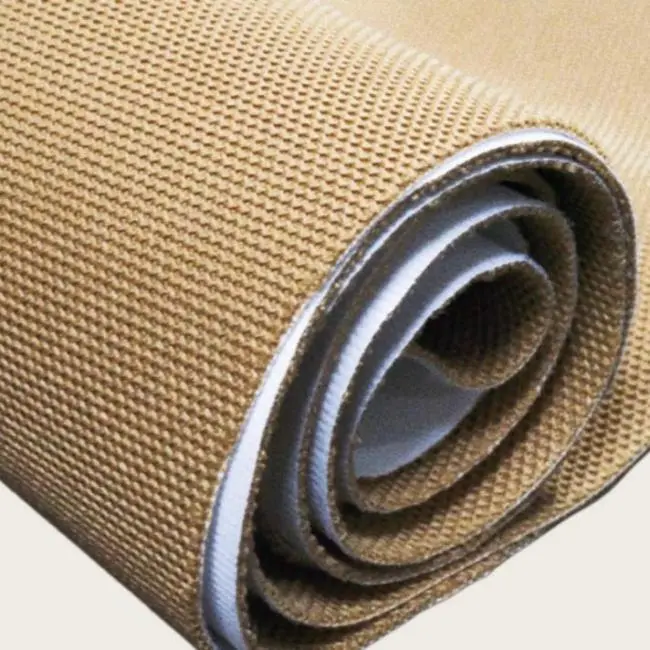
Technical pairs using a Shoes Membrane rely on a thin barrier to block water while letting vapor escape. Harsh wash cycles and regular detergents can clog or degrade that layer, silently destroying the feature you paid for. Hand wiping with a technical cleaner preserves the membrane’s function.
Bulk and Custom Orders
Businesses managing private-label or custom footwear should align care guidance with their supplier. Working with Custom Shoes Material Services lets procurement teams specify wash-tolerant constructions up front, and sourcing from a reliable Shoe Material Supplier ensures the care labels match the actual build. For tailored recommendations on material selection, reaching out through the Contact Us page is a practical next step.
Key Takeaways
Machine washing fabric shoes is safe and effective for the right pairs when you respect the materials and use a gentle, cold, air-dried process. Canvas, cotton, and most synthetic knits handle the drum well, while leather trim, membranes, and delicate bonds call for hand care. The deciding factor is rarely the fabric itself but the adhesives, linings, and structural layers around it. By preparing shoes properly, choosing correct settings, and maintaining them after each wash, wearers and bulk buyers alike can keep fabric footwear clean and functional for far longer.
FAQ
Can you wash fabric shoes with clothes in the same load?
It is possible but not ideal. Washing fabric shoes with a few old towels helps balance the drum and cushion impact, but you should avoid washing them with good clothing because dye transfer, loose dirt, and sole abrasion can damage other items. Always use a mesh laundry bag and a cold gentle cycle, and keep colors matched to prevent bleeding.
How often should fabric shoes be machine washed?
Most casual fabric shoes only need a machine wash every few weeks or after heavy soiling, not after every wear. Frequent washing accelerates adhesive wear and fades color, so light brushing and spot cleaning between washes is the better habit. Reserve the full machine cycle for when the pair is genuinely dirty or developing odor.
Will machine washing ruin the waterproof feature of fabric shoes?
It can, depending on the construction. A pair with a bonded waterproof layer or internal PTFE Waterproof Membrane may lose some performance if washed with harsh detergent or exposed to heat. Use mild soap, cold water, and air drying, and consider hand cleaning for technical waterproof footwear to protect the barrier.