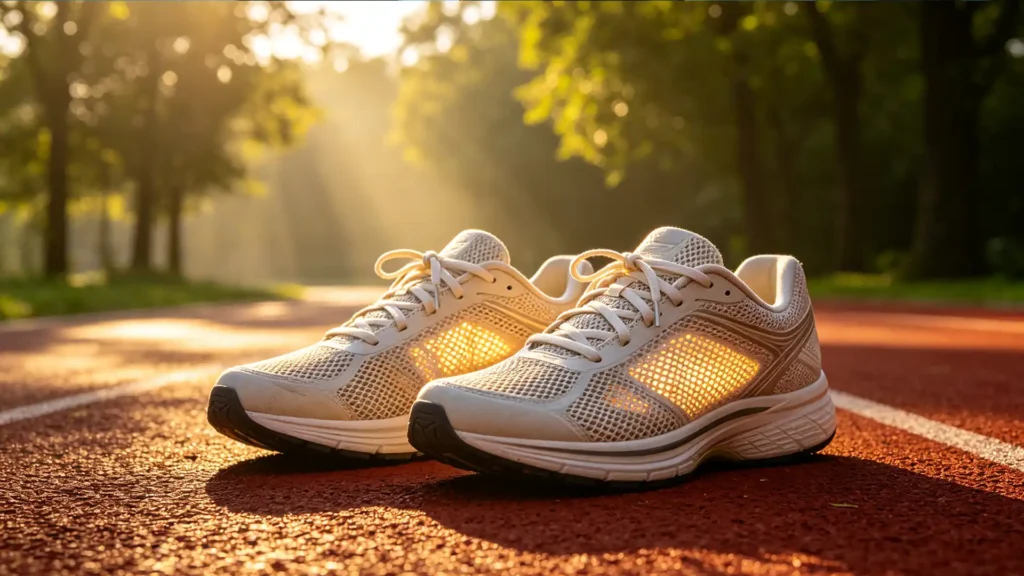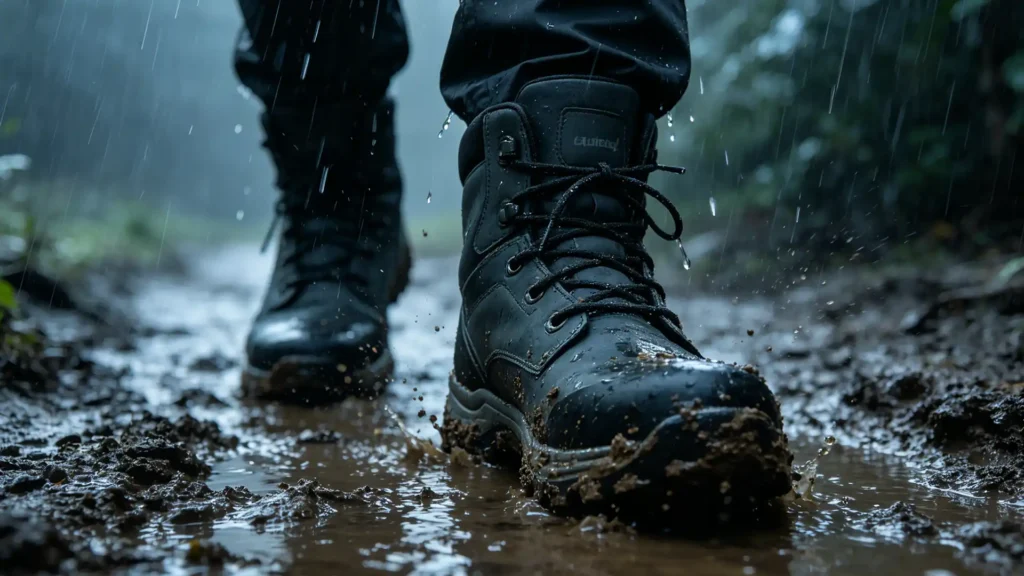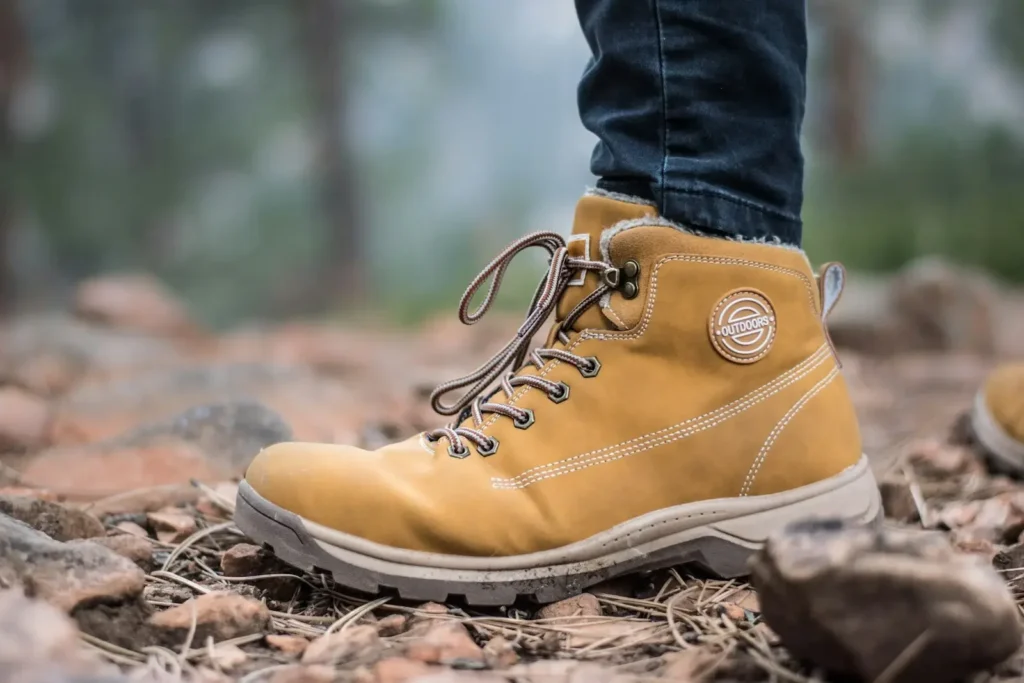
Fabric shoes have become a staple across casual, athletic, and workwear categories because they are light, flexible, and comfortable against the skin. Yet the same woven and knit structures that make fabric footwear breathable also leave it vulnerable to rain, puddles, and everyday spills. For distributors, private-label brands, and manufacturers, water resistance is no longer a premium extra but a baseline expectation that influences returns, reviews, and repeat purchases. Understanding how to keep Fabric Shoes dry without sacrificing comfort is therefore a practical concern for everyone in the supply chain, from the buyer choosing a daily commuter pair to the factory specifying materials for a new season.
The most reliable way to waterproof fabric shoes is to combine a water-repellent treatment on the outer fabric with a continuous waterproof membrane laminated inside the upper; for finished pairs, consumers can apply spray-on or wax-based proofers, while factories achieve durable protection by bonding PTFE, PU, or TPU membranes to the upper and lining during production.
Whether you are refreshing a pair at home or specifying materials for a production run, the methods below will help you match the right approach to the right shoe.
Why Waterproofing Fabric Shoes Matters
Waterproofing fabric shoes protects the wearer from discomfort and blisters, prevents staining and odor-causing bacteria, and extends the usable life of the product, which reduces warranty claims and strengthens brand reputation.
Fabric is inherently absorbent. A canvas or mesh upper can hold several times its weight in water, and once saturated the shoe loses its shape, insulates poorly, and becomes a breeding ground for microbes. From a commercial standpoint, the difference between a shoe that shrugs off a light rain and one that soaks through after the first storm is the difference between a satisfied customer and a returned order. Water resistance also shapes how a product is positioned: a clearly waterproof claim supports a higher price tier and a stronger marketing story, while a vague one invites disputes.
Protection Against Daily Wear
Rain is only part of the problem. Morning dew, splashed coffee, and muddy paths all threaten fabric footwear. A bonded layer of Waterproof Material For Shoes interrupts that path before water can migrate into the fibers, keeping the interior dry through routine exposure. For commuters and outdoor workers, this everyday protection is what makes a fabric shoe usable in more seasons and more climates.
Extending the Lifespan of Footwear
Repeated wetting and drying cycles weaken adhesives and rot natural fibers. By limiting how often the material becomes saturated, waterproofing slows material fatigue and helps the shoe hold its structural integrity across more wear cycles. That durability translates directly into fewer replacements for the end user and fewer complaints for the seller.
How Fabric Shoes Are Built and Why They Absorb Water
Fabric shoes absorb water because their uppers are made from porous woven or knitted textiles that are designed to let air through, and unless those pores are sealed or lined with a barrier, liquid follows the same channels that air uses.
To waterproof a shoe effectively you first need to know where the water gets in. Most fabric footwear is built from three functional layers, and each behaves differently when it meets moisture. Treating only the surface without understanding the layer stack is the main reason home methods sometimes appear to fail.
Upper Fabrics and Their Porosity
The upper is the visible shell. Common choices include mesh, canvas, knit, and synthetic woven cloth. These textiles are engineered for airflow, which means they are full of microscopic gaps. Selecting a tighter weave or a pre-treated Shoes Upper Material is the first line of defense, because a denser fabric simply gives water fewer routes inside. The weave density, yarn type, and any factory-applied finish all determine how readily the surface wets out.
Linings and Internal Layers
Inside the upper sits the lining, which touches the foot. A standard Shoes Lining Material such as a brushed knit will wick moisture but will not block rain. That is why high-performance footwear places a thin waterproof film between the upper and the lining rather than relying on the lining alone. The lining’s job is comfort and moisture management; the barrier’s job is exclusion, and conflating the two is a frequent design error.
Where Water Enters
Water typically penetrates through the vamp, the seams, and the stitch holes. Even a treated surface can leak at the seams if the construction is not sealed. A purpose-built Waterproof Fabric Upper addresses this by integrating the barrier into the fabric itself, removing the weakest points that separate treatments leave behind. Seam taping is the companion step in factory construction: a narrow tape is heat-bonded over stitched lines so the only path water had left is closed.
How to Waterproof Fabric Shoes at Home
You can waterproof fabric shoes at home by cleaning them first, then applying a spray-on durable water repellent for routine protection, a wax or cream for heavy exposure, or a wash-in proofer for breathable knit uppers, and finally letting the treatment cure fully before wear.
Consumer methods are accessible and inexpensive, though they generally refresh water resistance rather than create a permanent barrier. The right choice depends on the fabric type and how the shoe will be used. None of these approaches matches a factory membrane for lifespan, but each has a clear role in extending the life of a finished pair.
Spray-On Water Repellents
Aerosol and pump sprays deposit a coating that beads water on the surface. They are ideal for mesh and canvas because they do not clog the weave. Apply two light coats, allow the solvent to flash off, and the shoe will shed light rain for several weeks. The trade-off is that sprays wear away with abrasion and must be reapplied. For background on the chemistry, the concept of a durable water repellent finish is documented in detail on Wikipedia.
Wax and Cream Treatments
Wax-based balms sit on top of the fabric and form a thicker shield, which suits work boots and casual fabric shoes exposed to mud. The downside is a slight darkening of the material and reduced breathability, so wax is best reserved for shoes where warmth and water blocking matter more than airflow. Apply with a cloth, work it into the seams, and buff off the excess to avoid a sticky finish.
Wash-In Proofing for Breathable Fabrics
For knit and technical Breathable Material for Shoes, a wash-in or dip proofer bonds to the fibers from within and preserves airflow better than surface wax. This method is favored by outdoor users who need both ventilation and rain protection, because it treats the whole garment evenly without a heavy film. It is also the gentlest option for bonded uppers that could be damaged by solvent-heavy sprays.
Factory-Level Waterproofing With Membranes and Lamination
Factories achieve the most durable waterproofing by laminating a thin microporous or monolithic membrane between the upper and the lining, creating a barrier that blocks liquid water while allowing water vapor to escape, and this bond is what defines performance footwear.
When protection must last the life of the shoe, surface treatments are not enough. The industry standard is to build the barrier into the material stack using a membrane and a lamination press. This moves waterproofing from a consumer aftercare task to a manufacturing specification that can be tested, documented, and guaranteed.
Types of Waterproof Membranes
Membranes are ultra-thin films measured in microns. The three workhorse chemistries each have a distinct profile:
| Membrane Type | Structure | Breathability | Typical Use |
|---|---|---|---|
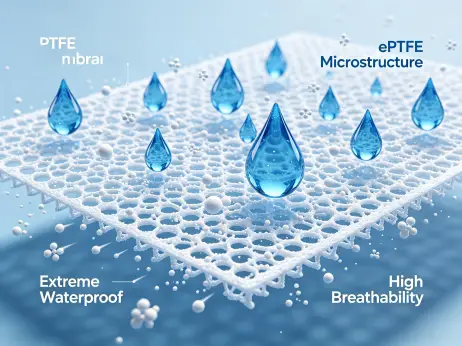
| PTFE | Expanded microporous | Very high | Hiking, performance |
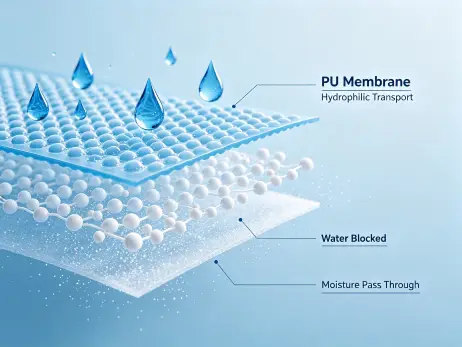
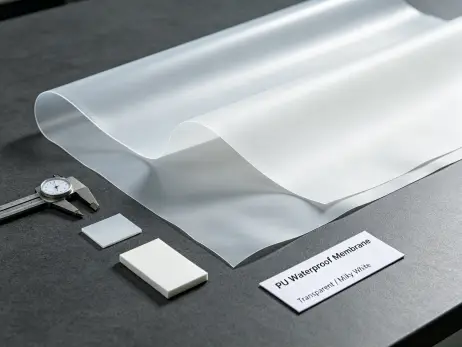
| PU | Monolithic or microporous | Moderate | Everyday, value lines |
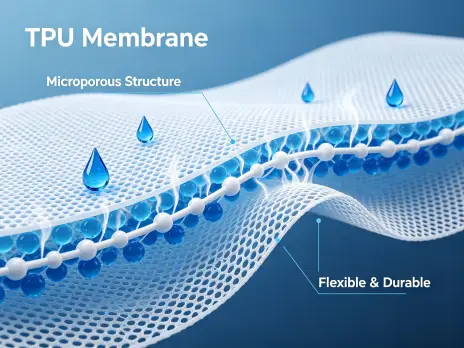
| TPU | Monolithic thermoplastic | Good | Sport, flexible uppers |
A Shoes Membrane category covers these films as a wholesale component, letting brands source the exact film their design needs. For reference, expanded polytetrafluoroethylene films are described in detail on the PTFE overview from Wikipedia, which explains the microstructure that makes them both watertight and vapor-permeable.
The Lamination Process
Lamination bonds the membrane to a face fabric and often to a protective lining in a clean, heated press. Temperature, pressure, and dwell time must be controlled so the film adheres without shrinking. A PTFE Waterproof Membrane is typically laminated as a three-layer construct with a knit backing for strength, while a PU Waterproof Membrane may be applied as a two-layer system to save weight and cost. The layering choice drives both feel and price.
Avoiding Lamination Defects
Poorly set parameters cause pinholes, delamination, and uneven bonding that let water seep through later. Studying Common Lamination Defects helps production teams tune their process before scaling a run, because a single skipped inspection step can turn a waterproof claim into a leak complaint. Defect prevention is cheaper than rework, and it protects the waterproof promise the brand makes to customers.
Testing and Verifying Performance
Finished constructions are verified with hydrostatic head and moisture-vapor transmission tests that confirm both exclusion and breathability. The principles behind these measurements are summarized in the waterproof fabric reference, which explains how pressure ratings translate into real-world rain protection. For flexible sport designs, a TPU Waterproof Membrane offers a softer hand feel, and pairing it with a Three-layer Mesh Fabric creates a lightweight stack that still resists rain.
How to Choose the Right Waterproofing Material
Choose the right waterproofing material by weighing the required protection level against breathability, weight, and cost, then match a membrane laminate for permanent performance or a surface treatment for occasional use.
Not every shoe needs the same solution. A fashion sneaker and a trekking shoe face very different conditions, and over-specifying wastes budget while under-specifying creates failures. The decision should start with the use case and work backward to the material.
Balancing Waterproofing and Breathability
The core tension is simple: the more you block liquid, the harder it is for sweat vapor to leave. Membranes solve this with pore sizes smaller than a water droplet but larger than a vapor molecule. A Durable Material for Shoes with a built-in membrane keeps feet dry from both rain and interior sweat, whereas a wax coating blocks everything and can feel clammy. For all-day wear, that balance is usually the deciding factor.
Durability and Weight Considerations
Lightweight builds benefit from a LightWeight Material For Shoes paired with a thin TPU film, while heavier use justifies a denser PTFE stack. The table below compares the consumer and factory approaches side by side:
| Method | Permanence | Breathability | Best For |
|---|---|---|---|
| Spray repellent | Low | High | Occasional use |
| Wax or cream | Medium | Low | Wet, cold conditions |
| Membrane laminate | High | Medium to high | Daily performance wear |
Cost and Volume Planning
Sprays cost little per pair but recur with every reapplication, while a membrane is a one-time material cost absorbed at production. At volume, the membrane route is often the better value because it removes after-sale service burden and supports a premium positioning. Buyers should request per-unit lamination pricing and minimum order terms before finalizing a material plan.
Common Mistakes When Waterproofing Fabric Shoes
The most common mistakes are applying treatment to a dirty shoe, using the wrong product for the fabric, over-saturating with wax, skipping the seam zones, and assuming one application lasts forever.
Even a good method fails when applied carelessly. The errors below account for most “it still got wet” complaints and are worth checking before blaming the product.
- Cleaning only the surface but leaving salt and oils that block absorption of the proofer.
- Spraying wax on a technical knit, which mats the fibers and kills airflow.
- Treating the vamp but ignoring the Oxford Fabric Upper tongue and collar where water first enters.
- Storing shoes wet, which lets the membrane or coating degrade before its time.
- Expecting a consumer spray to match the performance of a factory membrane.
- Reapplying spray over an old, flaking coating instead of stripping it first.
Care and Maintenance of Waterproofed Fabric Shoes
Maintain waterproofed fabric shoes by brushing off dirt after each wear, washing only with a proofer-safe cleaner, air drying away from heat, and reapplying surface treatment as soon as water stops beading on the surface.
Protection is not set-and-forget. Both factory membranes and consumer coatings need upkeep to keep performing, and a small routine protects a large investment.
Cleaning Without Stripping Protection
Harsh detergents and hot water break down durable water repellent finishes. Use a soft brush and a neutral cleaner, then rinse with cold water. If a coating fails after careful cleaning, consult Contact Us for material-specific guidance, and avoid fabric softeners, which leave a residue that blocks vapor escape. Let the shoe dry naturally; direct heat from a radiator or dryer can warp the upper and weaken the bond.
When to Reapply Treatment
The simplest test is the bead test: if water soaks in instead of rolling off, it is time to reapply. Surface sprays typically need refreshment every few weeks of regular use, while a laminated membrane should last the life of the shoe if the seams stay intact. Keeping a small care kit at home turns this from a chore into a two-minute habit.
Sourcing Waterproof Materials for Manufacturing
Manufacturers should source waterproof materials by qualifying a Shoe Material Supplier that offers both off-the-shelf membranes and Custom Shoes Material Services, then validating samples for bond strength and breathability before committing to volume.
For brands building waterproof lines, the decision shifts from applying a product to specifying one. The right partner reduces risk and speeds time to market, while the wrong one creates quality escapes that surface only after the shoes reach customers.
Working With a Material Supplier
A reliable Shoes Material Manufacturer partner provides technical data sheets, consistent roll quality, and the documentation needed for compliance. Requesting a Sustainable Material for Shoes option also future-proofs a line against tightening environmental rules without sacrificing the waterproof target. Ask for sample rolls and run a small pilot before scaling, because lamination behavior varies with the exact fabric and membrane combination.
Custom Material Development
When a standard film does not fit the design, custom material services let a team tune membrane thickness, hand feel, and laminate structure. Reading background such as Sustainable Footwear Materials and Waterproof Shoe Materials helps buyers align material choices with the performance story they plan to tell customers, so the spec sheet and the marketing claim tell the same story.
FAQ
Can fabric shoes be made fully waterproof or only water-resistant?
Most consumer treatments deliver water resistance, meaning they repel light rain and splashes for a limited time. True waterproofing usually requires a factory-laminated membrane that seals the entire upper and seams, which is why performance footwear is built with the barrier inside the material rather than added after sale.
How long does waterproofing on fabric shoes last?
Surface sprays last a few weeks of regular wear and must be reapplied once water stops beading. Wax coatings last longer but eventually crack. A properly laminated membrane can protect the shoe for its full service life as long as the seams remain sealed and the shoe is cleaned and dried correctly.
Are waterproofed fabric shoes still breathable?
They can be. Membranes use pores small enough to block liquid droplets yet large enough to release sweat vapor, so a laminated shoe stays breathable. Surface waxes reduce airflow the most, while spray and wash-in proofers preserve much of the original ventilation of the fabric.