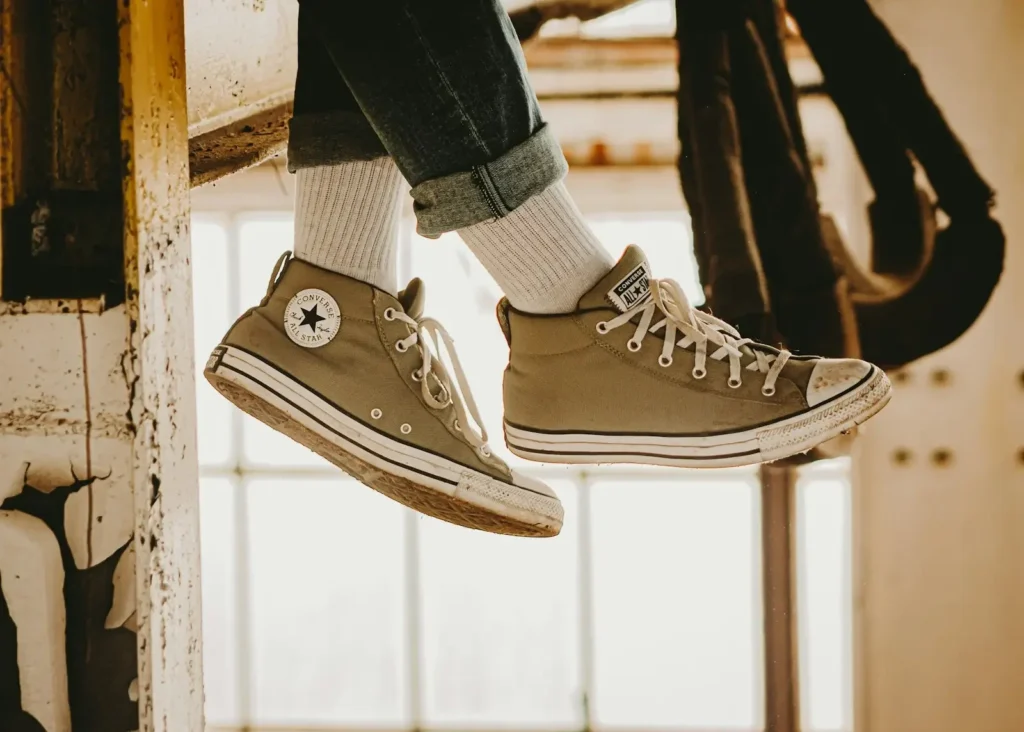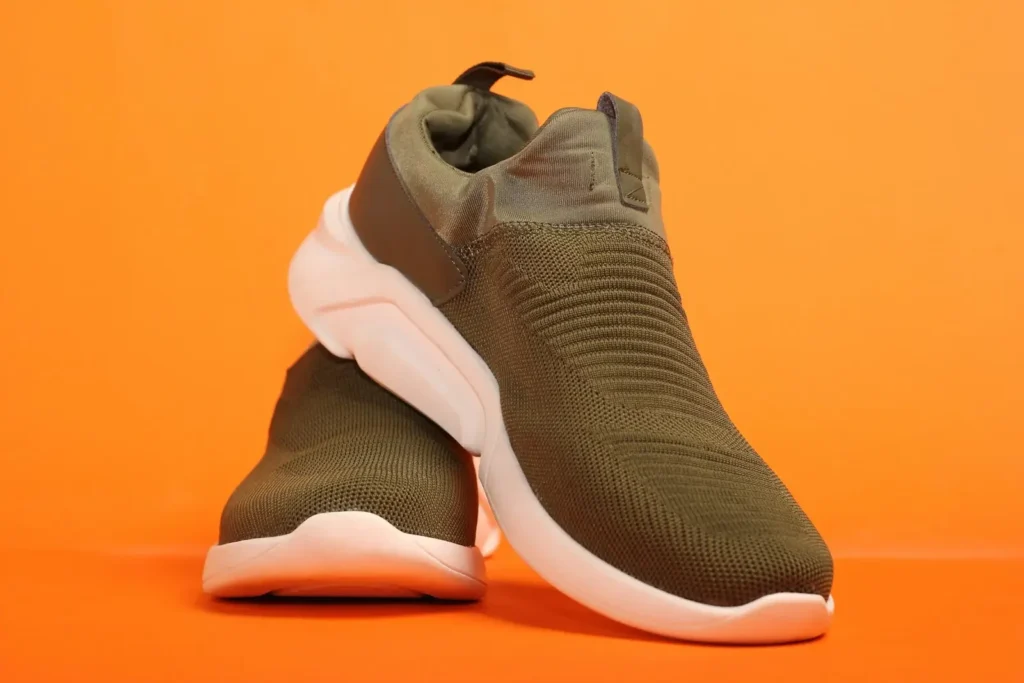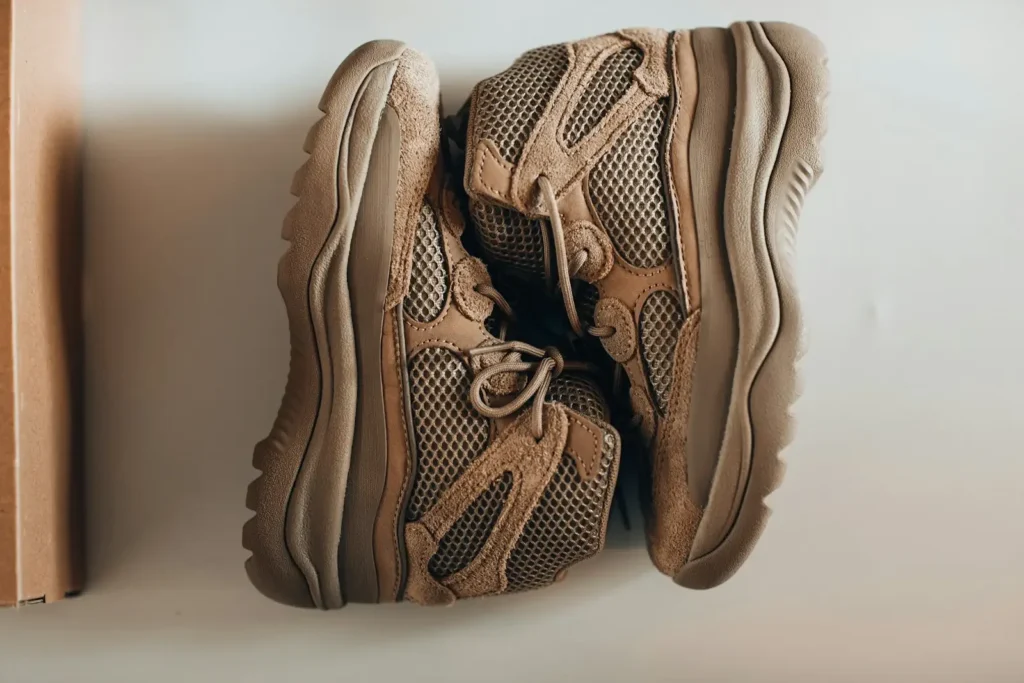
In footwear development, the lining rarely receives the attention given to the upper or the outsole, even though it is the only layer in direct contact with the foot for every hour of wear. For manufacturers and sourcing teams, an unsuitable lining causes some of the most common quality complaints in the industry: blisters, trapped moisture, odor, color transfer to socks, and visible wear at the heel. Choosing lining fabric is therefore a technical decision with direct consequences for comfort, durability, and return rates.
The best shoe lining material depends on the end use of the shoe rather than on any single superior fabric. Mesh and engineered knits are the strongest choice for athletic footwear because of airflow and moisture transfer, soft textiles such as cotton and polyester blends suit casual styles, microfiber delivers a premium leather-like feel at a controlled cost, and genuine leather remains the standard for high-end dress shoes. A suitable lining fabric is the one that balances breathability, moisture management, abrasion resistance, and cost for a specific shoe category and price point.
The sections below explain what a lining does, compare the main lining fabrics, and walk through a practical process for choosing and validating lining material for production.
What Does Shoe Lining Material Do?
A shoe lining is the inner layer of material bonded to the inside of the upper, and it performs four jobs at once: it absorbs and releases moisture from the foot, it reduces friction between the foot and seams, it shields the upper from sweat and internal abrasion, and it helps the shoe hold its shape over time.
As a defined component of shoe construction, the lining sits between the foot and the structural upper, covering the vamp, quarters, tongue, and counter areas. A foot at rest produces roughly 30 to 50 milliliters of perspiration per day, and far more during activity, so the lining acts as the primary moisture buffer inside the shoe. If the fabric cannot absorb and release that moisture quickly, the interior stays damp, which accelerates odor buildup and slowly degrades the adhesives that hold the shoe together. The lining also takes continuous mechanical abuse: every step rubs the heel and forefoot against the fabric, so its abrasion resistance determines whether the interior stays intact or wears through before the outsole does. This is why the shoes lining material you specify deserves the same engineering attention as the upper itself.
Common Types of Shoe Lining Fabrics
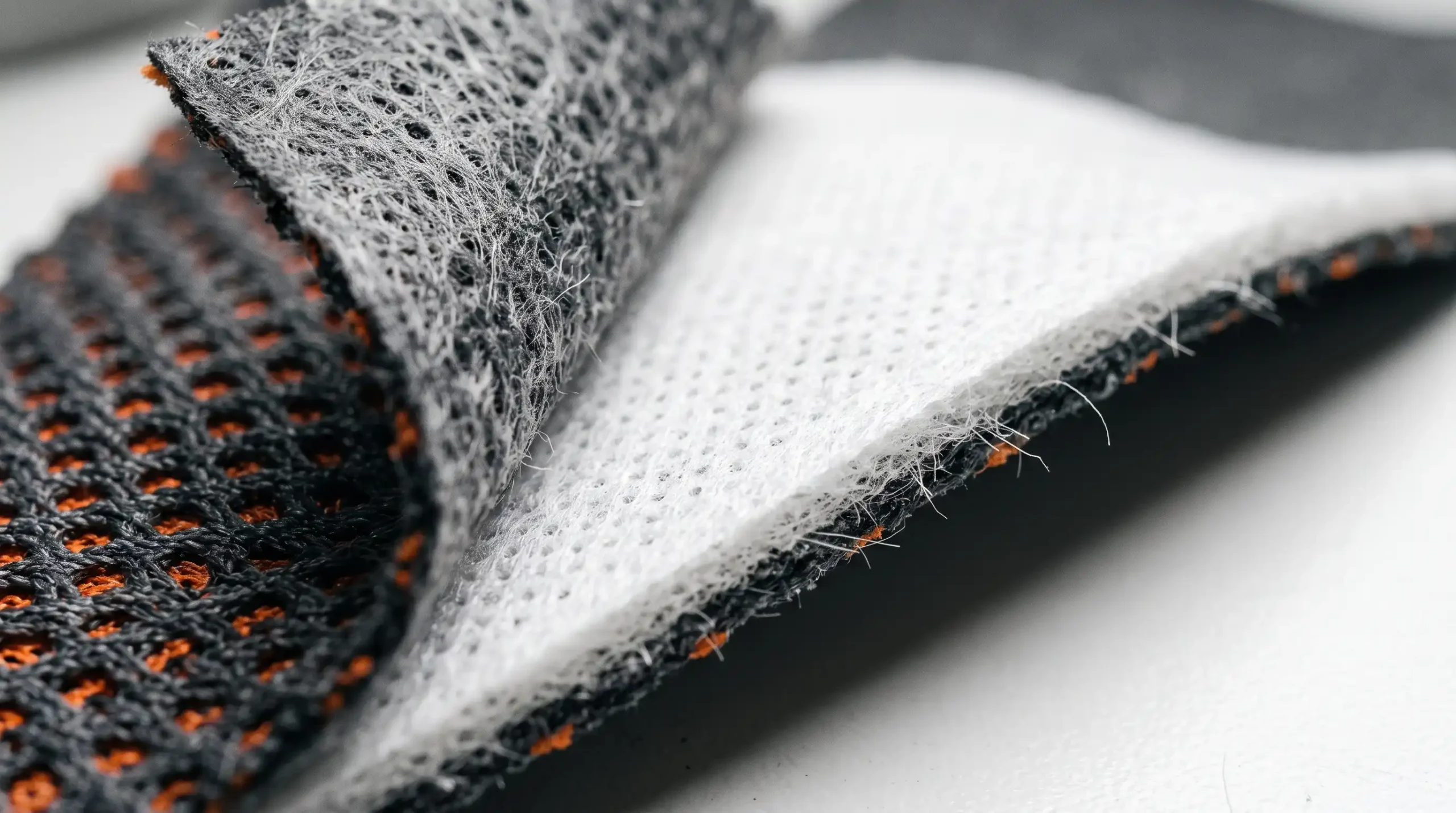
There is no universally best lining fabric. Mesh leads in athletic footwear for ventilation, textiles lead in casual footwear for softness and cost efficiency, microfiber leads for a premium hand feel at mid-range cost, leather leads in luxury dress footwear, and non-wovens handle hidden structural roles. Comparing the options side by side makes the trade-offs easier to see.
Textile Lining Fabrics (Cotton, Polyester, and Blends)
Woven or knitted textiles are the most widely used lining family. Cotton offers natural softness, breathability, and a hypoallergenic surface that feels comfortable against skin, but it absorbs moisture and releases it slowly, so it performs best in dry climates and open casual styles. Polyester and poly-cotton blends dry faster and resist fraying, which is why most volume casual production relies on them. Typical weights run from 120 to 180 GSM.
Mesh Lining
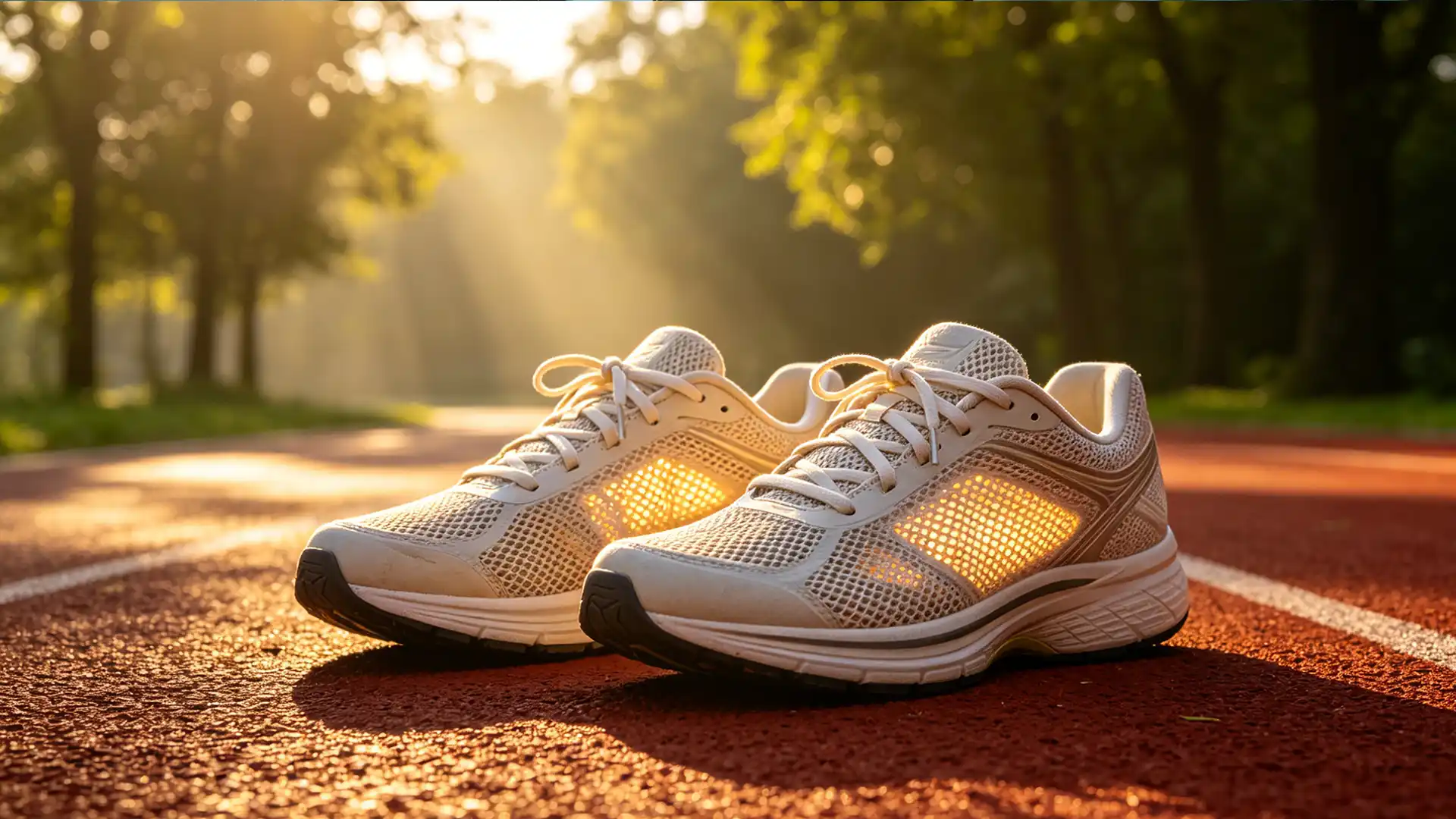
Mesh, including three-dimensional sandwich mesh, is the standard for athletic and performance footwear. Its open structure lets air circulate directly through the fabric, so heat and sweat escape instead of pooling inside the shoe. Higher-grade sandwich mesh adds cushioning and moves moisture away from the skin, keeping the foot dry even during sustained activity.
Microfiber and Synthetic Lining
Microfiber fabrics imitate the surface of suede or smooth leather while offering strong abrasion resistance, stable color, and consistent quality across large production batches. For brands that want a premium interior without leather costs or leather variability, microfiber is usually the most efficient middle option.
Genuine Leather Lining
Leather linings, typically pigskin, goatskin, or calfskin, remain the benchmark for dress shoes and premium boots. Leather breathes naturally, conforms to the shape of the foot over time, and ages gracefully, but it costs more and demands strict control of thickness and color uniformity between batches.
Non-woven and Foam-Backed Lining
Non-woven fabrics usually work behind the scenes, reinforcing the heel counter and toe box rather than touching the foot. Foam-backed linings add cushioning in the collar and tongue areas of comfort and work footwear, where pressure points matter more than ventilation.
| Lining Fabric | Breathability | Abrasion Resistance | Relative Cost | Typical Use |
| Textile (cotton, blends) | Moderate | Low to moderate | Low | Casual shoes, slippers, kids shoes |
| Mesh | High | Moderate | Low to mid | Athletic shoes, running shoes, sneakers |
| Microfiber | High | High | Mid to high | Formal shoes, premium casual footwear |
| Genuine leather | High | Moderate to high | High | Luxury dress shoes, premium boots |
| Non-woven | Low | Not applicable | Low | Hidden structural reinforcement |
Key Properties to Evaluate in Lining Fabric
When comparing lining candidates, evaluate six properties before looking at price: breathability, moisture-wicking speed, abrasion resistance, color fastness, fabric weight, and hand feel. A fabric that fails any one of these will generate complaints even if the other five are excellent.
Breathability is measured as water vapor permeability, which shows how quickly sweat vapor passes through the fabric. Moisture-wicking determines how fast liquid sweat moves away from the skin to the fabric surface, where it can evaporate. Abrasion resistance is tested with rubbing methods such as the Martindale test, since the heel pocket is the highest-wear zone in the entire shoe. Color fastness matters because the lining sits directly against socks and skin; perspiration and rubbing fastness of Grade 4 or higher is the common requirement to prevent dye transfer. Fabric weight, expressed in grams per square meter, influences both durability and moisture handling: heavier fabrics generally last longer but can feel warm in hot climates. Hand feel decides the first impression when a customer puts the shoe on, so it should always be confirmed on a physical swatch rather than from a data sheet. For a deeper comparison of airflow performance across options, review breathable material for shoes before locking a specification.
How to Choose Fabric for Lining: Five Practical Steps
To choose lining fabric in practice, work through five steps in order: define the end use, assess the climate and sweat load, set technical specifications, balance performance against cost, and verify with swatches and lab reports before committing to bulk production.
- Define the shoe category and wearer. A running shoe, a school shoe, and a winter boot place completely different demands on the lining, so fix the category, target market, and price point before comparing fabrics.
- Assess climate and sweat load. Hot or humid markets, heavy-duty work, and sports applications all call for high airflow and fast drying, which points toward mesh or a moisture-wicking mesh fabric rather than slow-drying cotton.
- Set specifications precisely. State the fiber composition, the GSM weight, the thickness, and the finish, whether brushed, smooth, or laminated, so suppliers quote against identical requirements instead of guessing.
- Balance performance and cost. Put budget into the properties the wearer will actually notice, such as hand feel at the heel and collar, and save on hidden zones by using economical reinforcement non-wovens inside the counter pocket.
- Verify before mass production. Request a swatch card, confirm hand feel and color under production lighting, and require lab reports for fastness, abrasion, and permeability on the exact batch that will ship.
Matching Lining Fabric to Footwear Categories
Match the lining fabric to the shoe category, the climate it will be worn in, and the price segment, rather than forcing one fabric across an entire product line. The table below summarizes combinations that perform well in commercial production.
| Footwear Category | Recommended Lining Fabric | Primary Driver |
| Athletic and running | Mesh, sandwich mesh, engineered knit | Ventilation and moisture transfer |
| Casual and sneakers | Polyester blends, brushed tricot | Softness at low cost |
| Formal and dress | Genuine leather, microfiber | Breathability, fit over time, premium feel |
| Work and safety | Foam-backed textile, abrasion-resistant mesh | Durability under constant friction |
| Winter and outdoor | Fleece, membrane-lined textile | Warmth and weather protection |
Can You Use the Same Fabric for Lining and the Upper?
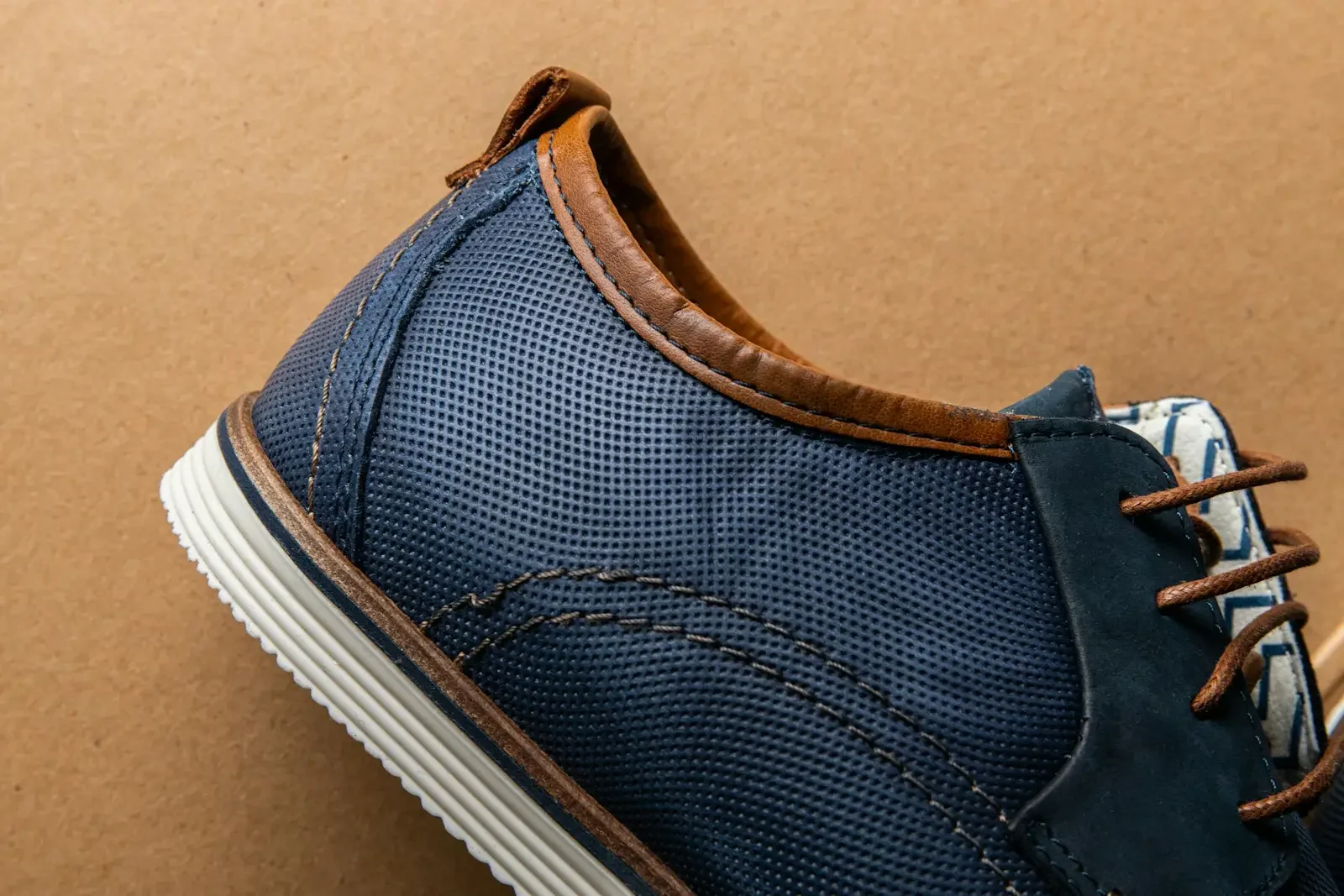
In most footwear, no. The upper faces outward, so it is engineered for appearance, weather resistance, and structural support, while the lining faces the foot, so it prioritizes skin comfort, fast moisture transfer, and resistance to sweat. A thin decorative upper fabric often lacks the abrasion resistance to survive heel friction, and a rugged upper fabric is usually too stiff or too warm against skin. The main exceptions are canvas casual shoes and knit shoe bodies, where one fabric serves both sides because wear conditions are mild and the fabric is designed for direct skin contact. When sourcing both layers, coordinating the shoes upper material and the lining as one system also improves color matching and lamination quality.
Functional and Sustainable Lining Options
Beyond the base fabric, linings can be upgraded with functional finishes and sustainable fibers, and these options increasingly influence purchasing decisions among retail buyers and brand compliance teams.
Antibacterial and Moisture-Wicking Treatments
Antimicrobial finishes, including silver-ion and plant-based treatments, inhibit the bacteria that cause odor inside the shoe. Moisture-wicking finishes or engineered fiber cross-sections move sweat outward faster, which keeps the interior dry and extends the usable life of the lining.
Waterproof-Breathable Membrane Linings
For outdoor, safety, and winter footwear, a waterproof breathable membrane can be laminated to the lining fabric so liquid water stays out while sweat vapor escapes. The lining fabric covering the membrane affects both comfort and durability, so the full laminate, not just the membrane, should be specified and tested.
Recycled and Sustainable Linings
Recycled polyester linings, along with plant-based fiber options, are now common in sustainability-focused footwear lines. They perform close to conventional equivalents when properly processed and carry a modest cost premium, which many brands accept in exchange for verifiable recycled content in their material declarations.
Quality Testing and Supplier Specifications
Before committing to bulk orders, require test reports covering color fastness, Martindale abrasion cycles, pH, water vapor permeability, and lamination peel strength, and confirm chemical compliance in writing for the exact material batch.
Accepted footwear test methods are published by footwear research and testing bodies such as SATRA, and an experienced supplier will provide reports referencing these methods on request. Typical acceptance levels include perspiration and rubbing color fastness of Grade 4 or higher, abrasion cycles in the thousands rather than the hundreds for sports linings, a pH between 4.0 and 7.5 to protect skin during extended contact, and a documented water vapor permeability value to support any breathable claim. Because lining fabrics touch skin for long periods, also confirm the material meets regulatory requirements such as the REACH regulation administered by the European Chemicals Agency, plus any restricted substance lists issued by your retail customers. Finally, remember that lamination itself affects performance: an aggressive adhesive or excessive heat can block the airflow of an otherwise breathable fabric or cause delamination in wear, so ask how the supplier bonds the lining to the upper and request peel-strength data for that exact construction.
Frequently Asked Questions
The following questions extend the guide above with points that footwear buyers frequently raise during lining development and sourcing.
What is the difference between the shoe lining and the sock liner?
The lining covers the interior surfaces of the upper, including the vamp, quarters, and tongue. The sock liner is the fabric or foam layer placed on top of the insole, directly under the foot. Both touch the foot, but the lining belongs to the upper assembly while the sock liner cushions the plantar surface and is usually removable or replaceable.
How many grams per square meter should lining fabric have?
For textile linings, 120 GSM is a practical minimum for acceptable durability and moisture handling. Athletic and work footwear typically uses 150 to 200 GSM meshes or knits. Below 100 GSM, linings wear through quickly and lose their shape, so very light fabrics suit only short-life or disposable products.
Is recycled polyester lining as durable as virgin polyester?
Mechanically recycled polyester produced from bottle flake delivers tensile strength and abrasion performance close to virgin fiber when properly washed and spun. The main risk is inconsistent feedstock quality, so treat it like any other material and request abrasion and fastness test reports on the actual recycled batch before approving it for production.