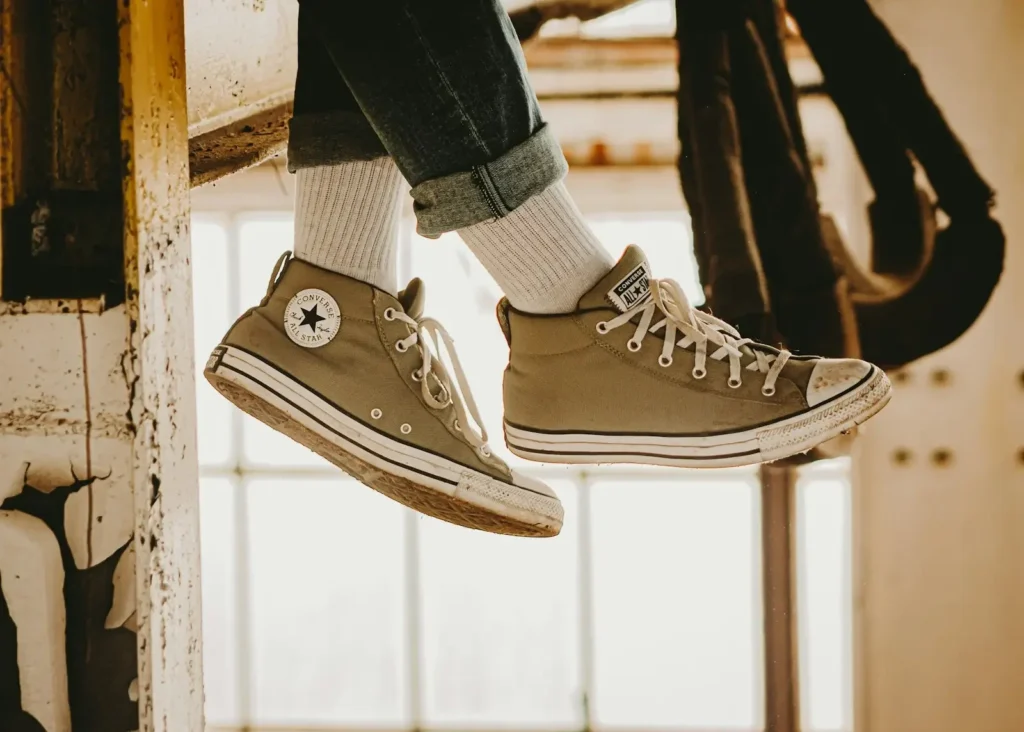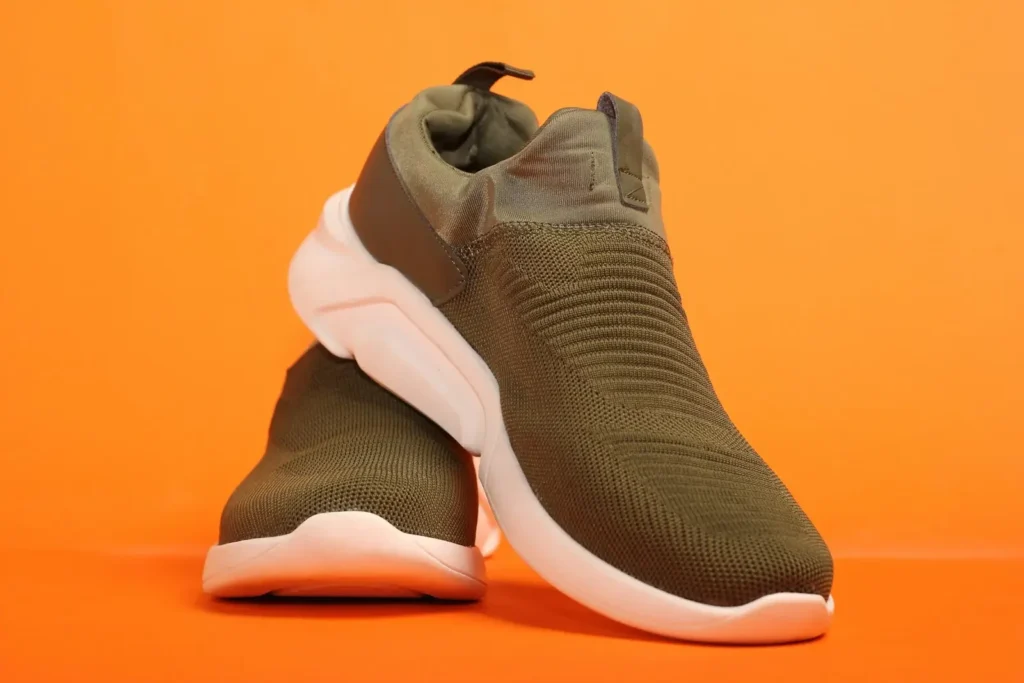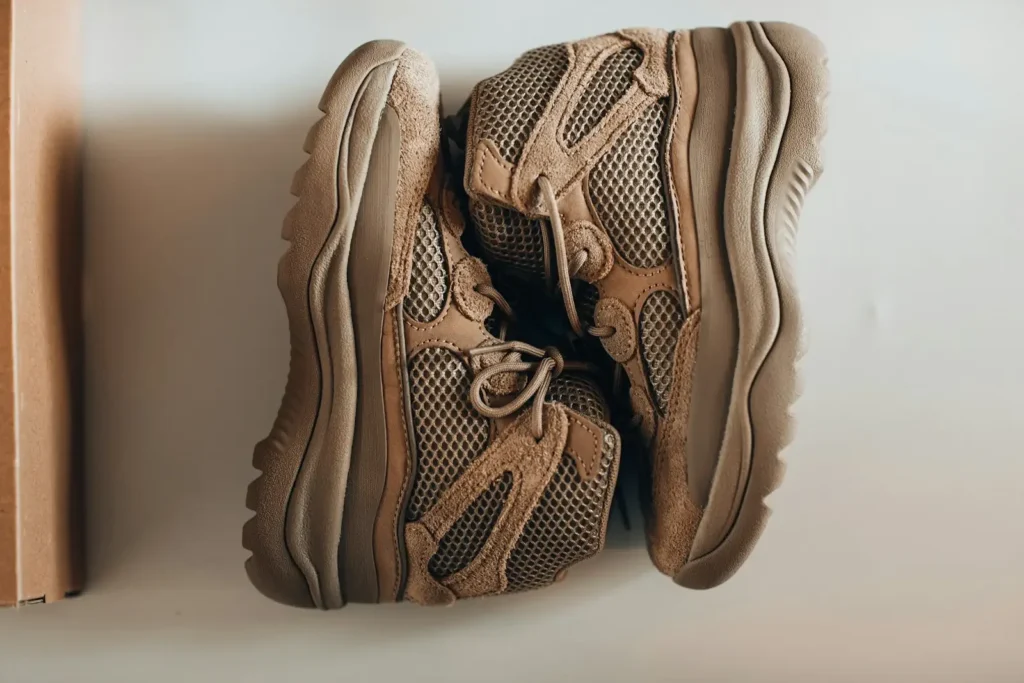
Foot pain is one of the most common reasons people book a podiatry appointment, and in a surprising number of cases the culprit is not the foot itself but the shoe wrapped around it. Heel ache, arch strain, blisters, and burning sensations are often traced back to a single overlooked factor: the material the shoe is made from. Material determines whether a shoe breathes, whether it cushions, and whether it holds the foot in a stable position, which is exactly why foot doctors talk about materials before they talk about styles.
Podiatrists most often warn against shoe materials that block airflow and collapse under pressure: non-breathable plastic and rubber uppers, rigid plastic soles that do not flex, ultra-soft memory foam midsoles that give no support, and cheap synthetic linings that trap sweat against the skin. The healthier alternatives are breathable uppers, structured cushioning, and moisture-wicking linings.
The sections below explain why these materials cause problems, how they hide inside the most common shoe styles, and what foot-healthy materials look like in practice.
Why Shoe Material Matters for Foot Health
Every shoe material controls four things for your foot: airflow, moisture management, shock absorption, and structural support. When a material fails at even one of these jobs, the foot compensates, and that strain accumulates with every one of the several thousand steps you take each day.
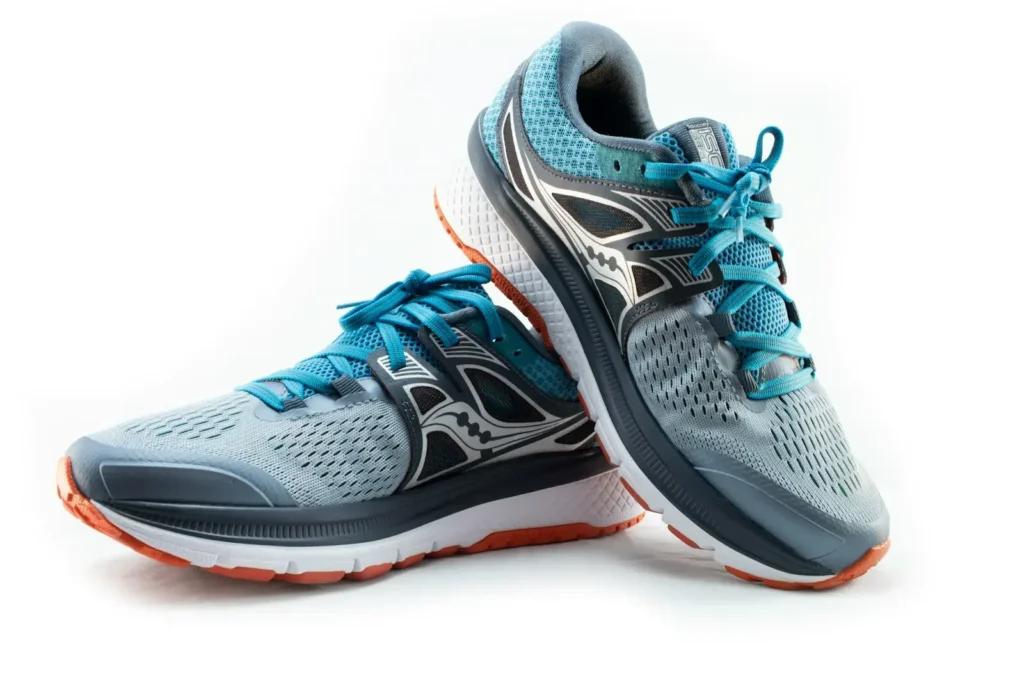
The foot is a complex structure of 26 bones, 33 joints, and more than 100 muscles, tendons, and ligaments, all working to absorb impact and stabilize your body. Inside a shoe, temperature and humidity climb quickly. A warm, damp, enclosed space is the ideal breeding ground for the bacteria and fungi responsible for odor, athlete’s foot, and fungal nail infections. Poor material choices also create mechanical problems. A midsole that is too soft lets the arch sink, a sole that is too stiff fights the natural rolling motion of the gait, and repeated strain of this kind is a recognized contributor to heel and arch pain such as plantar fasciitis, the inflammation of the thick tissue band running along the bottom of the foot.
Material behavior also changes over the life of the shoe. Foam midsoles stiffen and compress, leather hardens if it dries out repeatedly, and cheap synthetics lose what little flexibility they had. A shoe that felt acceptable in its first month can become a problem shoe by its sixth, which is why podiatrists ask patients not just what they wear but how old it is.
Shoe Materials Podiatrists Warn Against
The four material groups podiatrists single out most often are non-breathable plastic and rubber uppers, rigid plastic soles, ultra-soft memory foam midsoles, and moisture-trapping synthetic linings. Each fails the foot in a different way, and budget footwear frequently combines several of them in a single pair.
Clinical guidance is blunt on this point. The Oxford Health NHS podiatry service explicitly lists “a shoe made of plastic or rubber, which is not breathable and will cause your foot to sweat and may cause blisters” among its examples of unsuitable shoes in its official footwear advice. The problems below explain where these failures come from.
Non-Breathable Plastic and Rubber Uppers
Uppers made from sealed PVC or cheap rubber cannot release the moisture your feet naturally produce. Sweat has nowhere to go, so the skin stays wet for hours, softening until friction causes blisters and creating the humid environment fungi need to thrive. People who wear this type of upper for long shifts or in warm climates often develop odor and skin irritation before they develop pain, and by then the material has usually also started to stiffen and crack where it flexes.
Rigid, Inflexible Plastic Soles
A sole that cannot bend at the ball of the foot forces the joint to work against the shoe with every step. Instead of rolling smoothly from heel to toe, the foot slaps down and the metatarsal joints take the impact the sole should have absorbed. Podiatrists link this kind of stiff, thin, hard sole to forefoot pain, fatigue, and altered gait patterns that can travel upward into the knees and hips over time.
Ultra-Soft Memory Foam Midsoles
The most controversial category is the one that feels best in the store. Memory foam and other ultra-plush midsoles collapse under body weight, so the arch sinks into the shoe and the small stabilizing muscles of the foot must work overtime to pull it back up, thousands of times per day. This is the core of the well-known podiatrist complaint about overly cushioned “cloud-like” sneakers: the softness that feels like comfort in the first minute contributes to arch collapse, plantar fascia strain, and posterior tibial tendon stress over months of wear. Firm, structured support, not maximum softness, is what protects the foot long term.
Moisture-Trapping Synthetic Linings
The lining is the only layer in direct, constant contact with the skin, and it is often the cheapest material in the entire shoe. Closed-cell foam and coated synthetic linings hold sweat instead of moving it away, which multiplies the bacterial load inside the shoe and accelerates skin breakdown. The fix is a purpose-engineered shoes lining material with moisture-wicking and antimicrobial properties that keeps the skin dry across a full day of wear.
What the Worst Shoes for Your Feet Have in Common
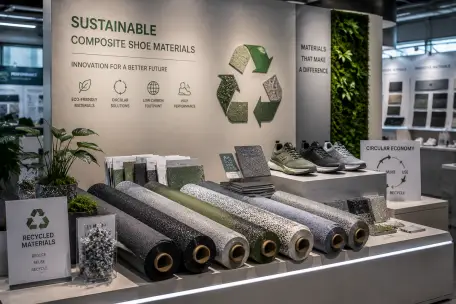
The shoe styles podiatrists rank as the worst for your feet all share the same underlying material failures: uppers that cannot breathe, cushioning that collapses or does not exist, and soles that offer no support. The style gets the blame, but the material is the mechanism.
| Shoe style | Underlying material flaw |
| Flat flip-flops | Thin flat foam base with no arch support or shock absorption |
| Pointed-toe heels | Stiff, unyielding upper material compressing the forefoot |
| Ballet flats | Flimsy sole material with zero structure or cushioning |
| Cheap canvas sneakers | Paper-thin midsole that passes impact straight into the foot |
| Worn-out athletic shoes | Compressed midsole foam that has lost its cushioning ability |
The pattern is consistent. Each style looks different, but in material terms they fail the same tests: they are either too stiff, too soft, too thin, or too airtight. This is also why replacing a bad shoe with another poorly made version of the same style never solves the pain. The relief comes from changing the material properties, not the silhouette.
That is also the practical takeaway for anyone shopping with foot pain in mind. Instead of memorizing a list of forbidden styles, test the three material properties behind every item on the list: does it breathe, does it support, and does the cushioning hold up under your weight? A style that normally fails these tests can pass them when it is rebuilt with better materials, and a normally safe style becomes risky when it is made cheaply.
What Is the Healthiest Shoe Material for Your Feet?
The healthiest shoes combine a breathable upper, a midsole that cushions without collapsing, a flexible and grippy outsole, and a lining that moves moisture away from the skin. Official NHS foot health guidance sums it up as an upper of leather or breathable material, a cushioned and flexible light rubber sole, and a deep, roomy toe box.
The same foot care guidance published by NHS inform advises that a good shoe should support and protect the foot while allowing natural movement during walking. In material terms, that breaks down into three layers.
Breathable Upper Materials
Genuine leather remains the reference standard because it molds to the foot, releases moisture vapor, and flexes without hard ridges or seams. Modern technical mesh fabrics now match it in many applications, using open knit structures to maximize airflow while weighing far less. For footwear designers, the task is selecting a shoes upper material that balances permeability with durability, since an upper that breathes but wears out quickly is no better for the consumer. A detailed comparison of breathable materials for shoes can help narrow the choice by shoe category and climate.
Supportive Midsole and Sole Materials
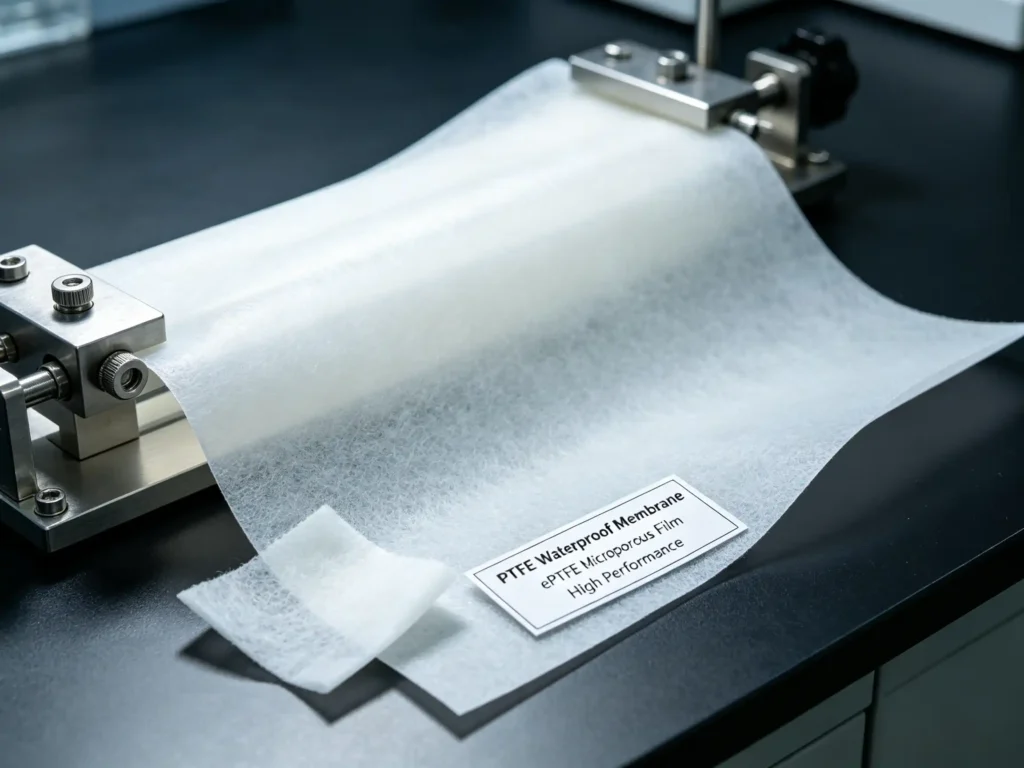
The midsole should cushion and stabilize at the same time. Quality EVA foam and similar engineered foams absorb impact while keeping enough density to resist compression, and a firm heel counter holds the rearfoot steady. Outsoles made of natural rubber or well-compounded synthetic rubber provide grip and flex where the foot naturally bends. The rule of thumb podiatrists use is simple: the shoe should bend at the ball of the foot, resist twisting through the middle, and never feel like walking on a mattress.
Density is the key specification here. A midsole that is too soft bottoms out under body weight, while one that is too dense transmits shock instead of absorbing it. Better manufacturers solve this with dual-density construction, pairing a softer top layer for immediate comfort with a firmer base layer for stability. Outsole compound matters as well, because a slippery sole forces the foot muscles to grip and tense with every step, adding fatigue that compounds over a full day on your feet.
Moisture-Wicking Lining Materials
Because the lining touches the skin continuously, its material matters as much as the upper. Spacer mesh, brushed moisture-wicking knits, and linings with antimicrobial finishes transport sweat outward instead of storing it, keeping the skin dry and dramatically lowering the risk of blisters, odor, and fungal growth. For anyone wearing shoes for eight or more hours a day, the lining is arguably the single most important material layer in the shoe.
The lining also works together with sock choice. A moisture-wicking lining paired with a natural fiber or technical moisture-management sock keeps the skin environment dry, while the same lining under a sealed synthetic sock still traps moisture against the skin. Thinking of the shoe lining and the sock as one connected material system is the approach foot health professionals recommend for anyone prone to blisters or fungal infections.
How to Evaluate Shoe Material Before You Buy
You can judge most shoe materials in under a minute using six simple checks: read the label, assess airflow, bend the sole, twist the shoe, squeeze the heel counter, and inspect the lining.
- Read the material label. Look for leather, natural rubber, or named technical fabrics, and treat vague terms like “man-made materials” as a warning sign.
- Assess airflow. Hold the upper up to light or feel for air movement; a completely sealed, shiny surface will not breathe.
- Bend the sole. It should flex easily at the ball of the foot and stay firm through the middle.
- Twist the shoe. Grip heel and toe and wring it like a towel; a supportive shoe resists spiraling.
- Squeeze the heel counter. It should feel firm and spring back, not fold flat.
- Inspect the lining. It should feel smooth, seamless, and designed to move moisture, not a slick coated layer that traps sweat.
For footwear brands and sourcing teams, these checks belong in incoming quality inspection, not just at retail. A qualified shoe material supplier should back every layer with test data for breathability, abrasion resistance, and moisture management before it goes into production.
FAQs
Are all synthetic shoe materials bad for your feet?
No. Podiatrists object to synthetics that seal out air, such as PVC and coated plastics, not to synthetic fibers as a group. Engineered technical mesh, moisture-wicking polyester knits, and performance foam midsoles are all synthetic and all widely used in foot-healthy walking and athletic shoes. The deciding factors are breathability, structure, and moisture management, not whether the fiber is natural or man-made.
How often should shoe materials be replaced?
Midsole foam loses a large share of its shock absorption after roughly 300 to 500 miles of walking or running, often while the upper still looks fine. Replace shoes when the sole compresses flat, the heel counter softens, or the insole shows permanent pressure marks. Material breakdown, not appearance, is the signal that a shoe has stopped doing its job.
Do shoe materials matter more for people with diabetes?
Yes, significantly. Reduced circulation and nerve sensitivity mean a blister or damp skin patch that a healthy foot shrugs off can become a serious wound. Non-breathable materials, rough seams, and linings that hold moisture all raise the risk, so breathable uppers, seamless moisture-wicking linings, and protective cushioning are essential. Anyone with diabetes should have footwear checked by a podiatrist.