Every footwear program starts with a material decision. For brands, product developers, and sourcing teams, the choice between leather, synthetics, textiles, foams, and rubbers shapes unit cost, comfort, durability, and sustainability claims across an entire product line. A material that performs well in one category can fail outright in another, and a wrong specification is often discovered only after production, when returns and warranty claims begin to accumulate.
There is no single best shoe material. The right choice depends on which part of the shoe is being built and how the footwear will be used. Leather remains the benchmark for durability and structure in formal, work, and premium footwear; synthetic leather offers the best cost-to-appearance ratio for fashion lines; mesh and knit textiles deliver superior breathability for athletic styles; EVA and PU foams define cushioning; and rubber outsoles provide the traction and abrasion resistance every shoe needs.
The sections below break down each major material family, compare their pros and cons, and explain where each one performs best.
What Are the Different Types of Materials Used in Shoes?
A finished shoe combines several material families across four layers: the upper, the lining, the midsole, and the outsole. Uppers are made from leather, synthetic leather, mesh, canvas, or knitted fabrics; midsoles from EVA or PU foam; outsoles from natural or synthetic rubber; and linings from textiles or laminated waterproof membranes.
Each layer performs a different job, so specification decisions are made layer by layer rather than shoe by shoe. Selecting the right shoes upper material is typically the first decision, because the upper accounts for the largest visible surface and drives both cost and styling. The table below summarizes the four layers and the materials most commonly specified for each.
| Shoe Layer | Common Materials | Primary Function |
| Upper | Leather, PU or PVC synthetic, mesh, canvas, knit | Structure, styling, support, protection |
| Lining | Textiles, laminated membranes, foam-backed fabrics | Comfort, moisture management, insulation |
| Midsole | EVA foam, PU foam, TPU, rubber compounds | Cushioning, shock absorption, stability |
| Outsole | Natural rubber, synthetic rubber, TPU, EVA | Traction, abrasion resistance, durability |
Leather: The Classic Benchmark for Durability
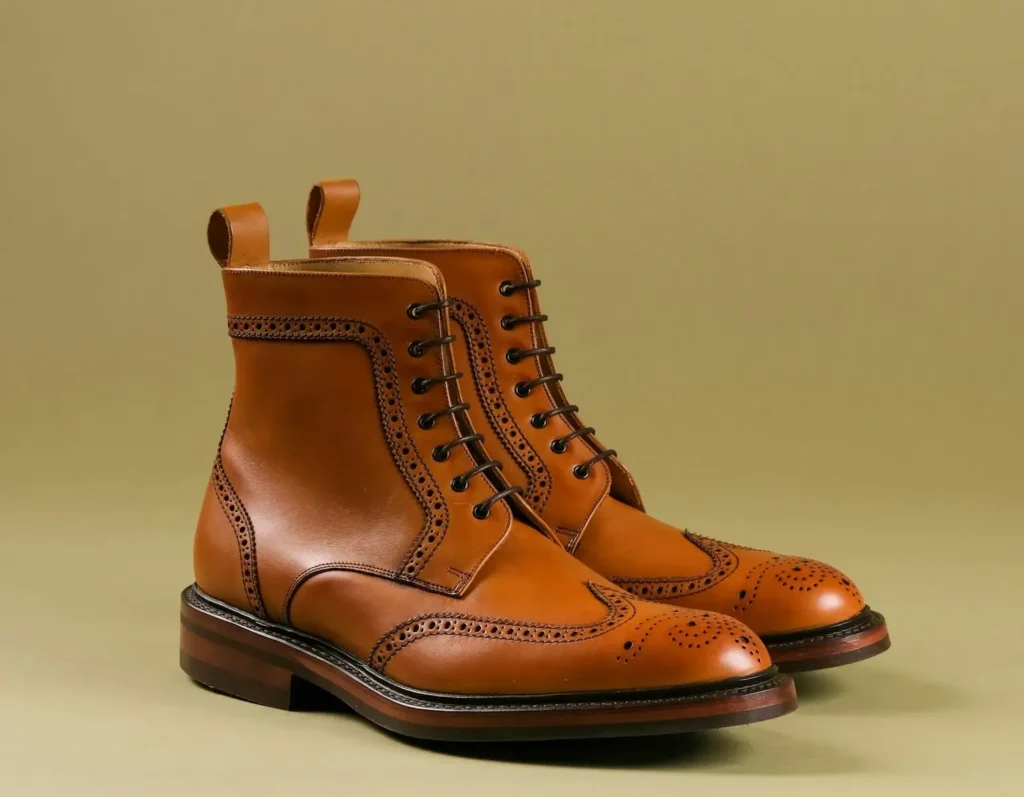
Leather offers the best combination of durability, structure, and fit of any upper material. It molds to the shape of the foot over time, resists abrasion, and can be resoled, which makes it the strongest choice for formal, work, and premium casual footwear. Its drawbacks are higher cost, added weight, and the need for regular maintenance.
Leather is created by tanning animal hides, a chemical process that stabilizes the collagen fibers so the hide resists decay and stays flexible, as explained in detail in this overview of leather production. Quality varies dramatically by grade, and the grade determines both performance and price.
Full-Grain and Top-Grain Leather
Full-grain leather keeps the complete grain layer of the hide, including natural markings. It is the most durable grade, develops a patina with age, and remains the standard for work boots and high-end dress shoes. Top-grain leather has the outermost surface sanded away, producing a more uniform material that is thinner, lighter, and easier to finish, at some cost to long-term abrasion resistance.
Suede and Nubuck
Suede is made from the inner split of the hide, giving a soft, flexible nap. Nubuck is full-grain leather buffed on the outer surface for a velvet feel. Both deliver a premium, textured appearance, but the open surface absorbs water and stains easily, which suits these materials to dry-climate fashion footwear rather than performance use.
| Leather Type | Pros | Cons | Best Uses |
| Full-grain | Most durable, molds to foot, ages well | Expensive, heavy, needs care | Work boots, dress shoes |
| Top-grain | Uniform look, lighter, lower cost | Less abrasion resistance | Business casual, premium sneakers |
| Suede and nubuck | Soft, premium texture | Stains easily, water sensitive | Fashion footwear, dry climates |
Synthetic Leather: PU and PVC Explained
Synthetic leather, mainly polyurethane (PU) and polyvinyl chloride (PVC) coated fabrics, replicates the look of leather at a much lower cost. It is water resistant, easy to clean, and consistent between batches, but it is less breathable than real leather, molds poorly to the foot, and eventually cracks or peels.
PU coating is applied to a fabric base in thin layers and stays relatively flexible and breathable, which is why it dominates fashion sneakers, budget formal shoes, and vegan footwear lines. PVC is the cheaper alternative with a stiffer feel and lower durability. For sourcing teams, the practical trade-off is acquisition cost against lifespan: synthetic uppers typically cost a fraction of genuine leather but may need replacement after one or two heavy seasons of wear.
| Property | Genuine Leather | PU Synthetic | PVC Synthetic |
| Cost per unit | High | Moderate | Low |
| Breathability | Good | Fair | Poor |
| Durability | Excellent | Moderate | Low |
| Care required | Regular conditioning | Wipe clean | Wipe clean |
| Batch consistency | Varies naturally | Highly consistent | Highly consistent |
Textile Uppers: Mesh, Canvas, and Knit Fabrics
Textile uppers are the lightest and most breathable option in footwear. Mesh dominates athletic shoes because it maximizes airflow, canvas offers an affordable and breathable choice for casual styles, and engineered knits provide a sock-like fit with high flexibility. The shared weakness is lower structural support and faster wear than leather or synthetics.
Mesh
Mesh is a knitted or woven polyester or nylon fabric with an open structure that lets air circulate, which is why it is the default upper for running and training shoes. Any breathable material for shoes that must also handle weather is usually built as a multi-layer composite: an outer mesh for structure, a middle membrane for water resistance, and a soft lining against the foot.
Canvas
Canvas is a plain-woven cotton or cotton-blend fabric best known for casual sneakers and espadrilles. It is inexpensive, lightweight, and easy to print on, which makes it popular for seasonal color stories. It absorbs water, offers little cushioning, and loses shape under heavy use, so it works best as a fair-weather lifestyle material.
Knit
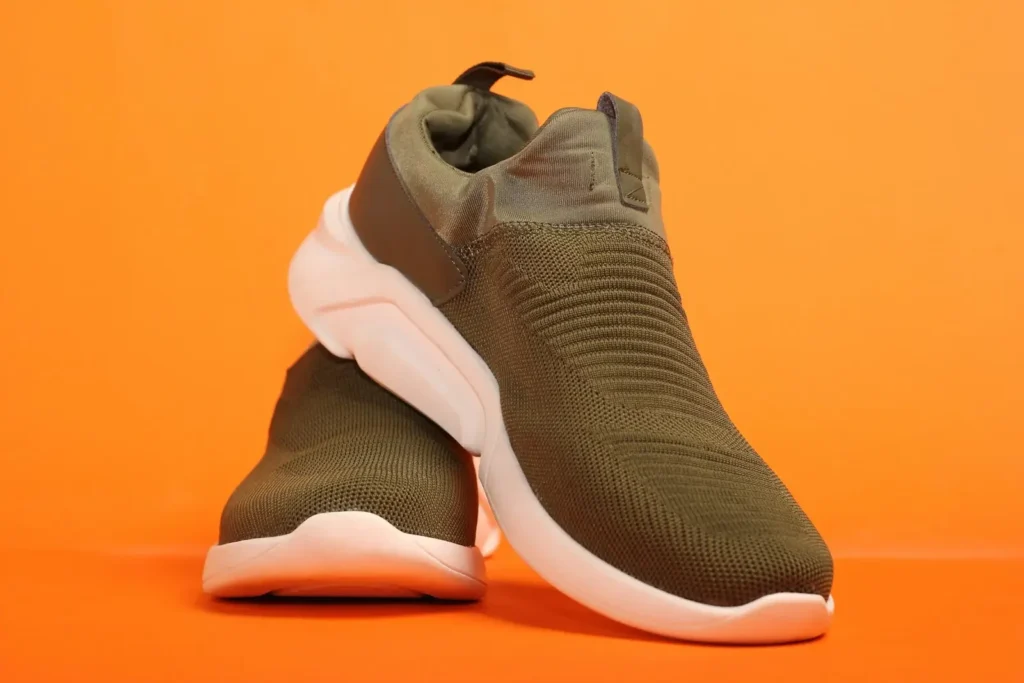
Engineered knit uppers are produced as a single piece on knitting machines, which removes seams and reduces cutting waste. They stretch with the foot, feel comfortable from the first wear, and suit travel and everyday sneakers. The trade-offs are limited lateral support and a tendency to stretch permanently, so knits are usually reinforced with thermoplastic overlays where support matters.
| Textile | Pros | Cons | Best Uses |
| Mesh | Maximum airflow, light, dries fast | Tears easily, little support | Running, training |
| Canvas | Low cost, casual look, easy to print | Absorbs water, low durability | Lifestyle, summer styles |
| Knit | Sock-like fit, seamless comfort | Stretches out, weak structure | Travel, everyday sneakers |
Midsole Cushioning Materials: EVA and PU Foam
EVA foam is the standard midsole for athletic footwear because it is extremely light and cushions well, while PU foam is denser, heavier, and far more durable, making it the preferred midsole for work boots and hiking footwear. The choice comes down to weight against lifespan.
EVA Foam
EVA (ethylene-vinyl acetate) is a copolymer foam that can be tuned from soft to firm by adjusting density. It provides excellent initial shock absorption at very low weight, which is why nearly every running shoe relies on it. Its weakness is compression set: the air cells gradually collapse under repeated load, so cushioning fades after roughly 500 to 800 kilometers of running or about a year of daily wear.
PU and TPU
Polyurethane midsoles are heavier but resist compression far better and often last several times longer than EVA. Thermoplastic polyurethane (TPU) appears both as a durable midsole material and as stabilizing plates and shanks that control foot motion. For safety and industrial footwear, where midsole collapse would compromise protection, PU is the industry default.
| Midsole | Cushioning | Weight | Lifespan | Best Uses |
| EVA | Excellent at first, fades over time | Very light | 500 to 800 km | Running, casual sneakers |
| PU | Consistent for years | Moderate to heavy | Multi-year | Work boots, hiking |
| TPU | Firm support | Moderate | Very long | Stability plates, trail footwear |
Outsole and Waterproofing Materials
Rubber is the universal outsole material because it combines grip, abrasion resistance, and flexibility, while waterproof membranes made from ePTFE or PU films are the standard way to keep water out without fully blocking airflow.
Rubber Outsoles
Natural rubber stays supple and grips well in cold conditions, while synthetic compounds such as styrene-butadiene rubber are tougher and more abrasion resistant. Outsole performance is largely a compound and tread decision: harder compounds last longer, softer compounds grip better, and deeper lugs add traction on loose terrain at the cost of weight and flexibility.
Waterproof Membranes
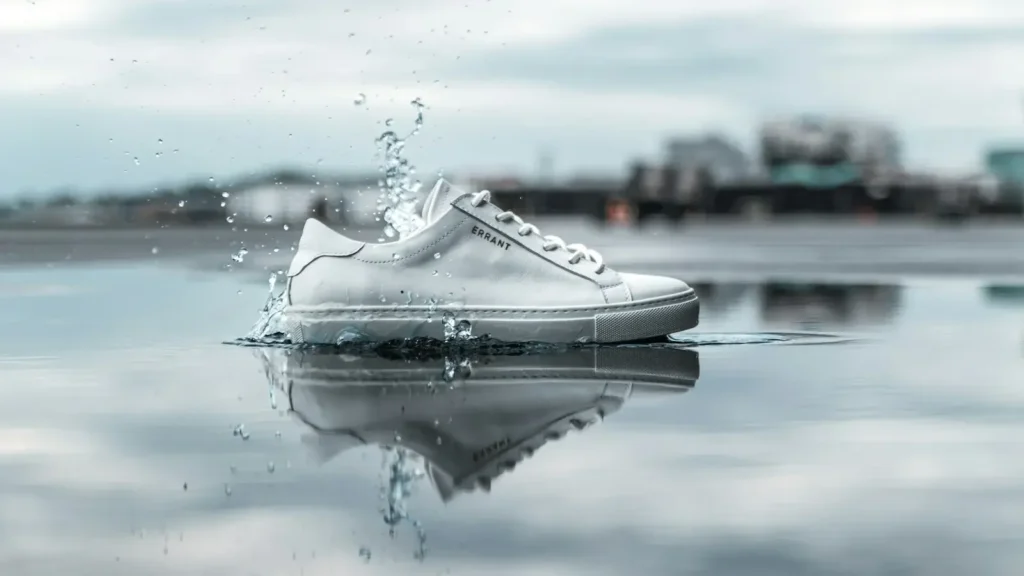
A waterproof fabric upper is typically built by laminating a microporous membrane, most commonly ePTFE or polyurethane film, between a face textile and a protective backing. The pores are large enough for water vapor to escape but far too small for liquid water to enter, which is how modern hiking and trail footwear stays dry while limiting sweat buildup. Membrane laminates raise cost and slightly reduce breathability, so they are worth specifying only where wet conditions are a genuine factor.
How to Choose the Best Shoe Material for Each Use
The best material is the one matched to activity, climate, and target price: breathable textiles for running, waterproof leather or laminates for hiking, full-grain leather for formal and work footwear, and synthetic leather for cost-driven fashion lines.
Match the material to the use case first, then optimize for cost and sustainability within that constraint. A hot-weather running shoe needs an airflow-first design, and no leather grade will fix a sweaty foot in summer. Climate and duty cycle matter as much as the activity itself, as the table below shows.
| Activity | Recommended Upper | Recommended Midsole and Outsole | Why It Works |
| Running | Engineered mesh | EVA midsole, rubber outsole | Airflow and low weight |
| Hiking | Leather or reinforced synthetic with membrane | PU midsole, deep-lug rubber | Support, waterproofing, durability |
| Casual lifestyle | Canvas or knit | EVA midsole, flat rubber | Comfort and styling at low cost |
| Formal | Full-grain or top-grain leather | Slim rubber or leather outsole | Structure and appearance |
| Work and safety | Full-grain leather | PU midsole, slip-resistant rubber | Protection and long service life |
Rotation and care extend any material choice. Allowing footwear to dry for 48 hours between wears measurably extends midsole and lining life, leather uppers need periodic conditioning to stay supple, and mesh and canvas should be washed gently without heat drying.
How to Evaluate Shoe Material Quality Before Sourcing
Material quality is verified through standardized physical testing, including flex resistance, abrasion, water vapor permeability, and bond strength, combined with supplier audits of batch consistency and chemical compliance. Appearance samples alone are never sufficient evidence of quality.
Leading footwear testing organizations such as SATRA, a research body that has developed footwear test methods since 1919, publish standardized procedures for evaluating upper flex, sole abrasion, and seam strength. Requesting test reports against these methods before committing to a material is the cheapest available insurance against mid-season product failures.
Sustainability requirements increasingly shape material selection as well. Recycled polyester mesh, chrome-free leather, and bio-based foams are commercially available at scale, and verifying claims through recognized certifications protects against greenwashing exposure in regulated markets.
When evaluating any supplier, the practical checklist is short:
- Consistent lab reports across at least three production batches
- Documented compliance with restricted substance regulations
- Clear minimum order quantities and lead times for each material
- Technical support for lamination and bonding questions
- Named fallback specifications if a batch fails testing
Choosing the right shoe material supplier matters as much as the material itself, because even a proven specification fails when quality control drifts between batches.
Frequently Asked Questions
What is the 3 shoe rule?
The 3 shoe rule is a practical guideline to own and rotate at least three pairs of everyday footwear instead of wearing one pair daily. Materials, especially foam midsoles and leather linings, need roughly 48 hours to release accumulated moisture and recover their shape. Rotating three pairs extends the usable life of each pair and lowers long-term footwear cost.
What is the healthiest material for shoes?
For foot health, breathable and moisture-managing materials perform best. Genuine leather, mesh, and natural textile linings keep the foot dry and cool, which limits the bacterial growth behind odor and fungal issues. Materials tested free of restricted substances such as certain phthalates and heavy metals are also preferable, since the foot sweats directly against upper and lining layers.
How long do different shoe materials typically last?
With regular wear, full-grain leather uppers can last five years or more, PU midsoles hold up for two to four years, EVA midsoles fade after about a year of daily use, and mesh uppers often show wear within one to two years. Outsole rubber usually outlasts the rest of the shoe unless used on abrasive surfaces. Rotation and proper drying extend all of these timelines.