Fabric is one of the largest line items in any footwear bill of materials, and its price moves with cotton harvests, oil markets, energy tariffs, and freight rates that no buyer controls. For footwear brands and manufacturers, the purchasing desk has therefore become one of the most important profit levers in the business. Every cent saved per meter flows directly into product margin, while every purchasing mistake multiplies across thousands of pairs.
Yes, you can meaningfully reduce costs when buying shoe fabric in bulk. The most effective methods are buying directly from manufacturers instead of intermediaries, consolidating orders across shoe models to reach higher volume tiers, negotiating tiered pricing with complete cost specifications, controlling quality to avoid hidden defect costs, and timing purchases around supplier capacity cycles. Applied together, these strategies commonly reduce landed fabric costs by 10 to 25 percent.
The sections below break down each of these levers in practical terms, starting with how bulk pricing actually works and ending with the supplier relationship practices that lock in savings over the long run.
Is It Cheaper to Buy Shoe Fabric in Bulk?
Yes. Bulk purchasing almost always lowers the cost per meter because shoe fabric producers price in volume tiers, and each tier unlocks progressively better rates. Order sizes above a few thousand meters typically reduce unit prices by 5 to 15 percent, while very large annual commitments can unlock discounts of 12 to 18 percent along with priority scheduling.
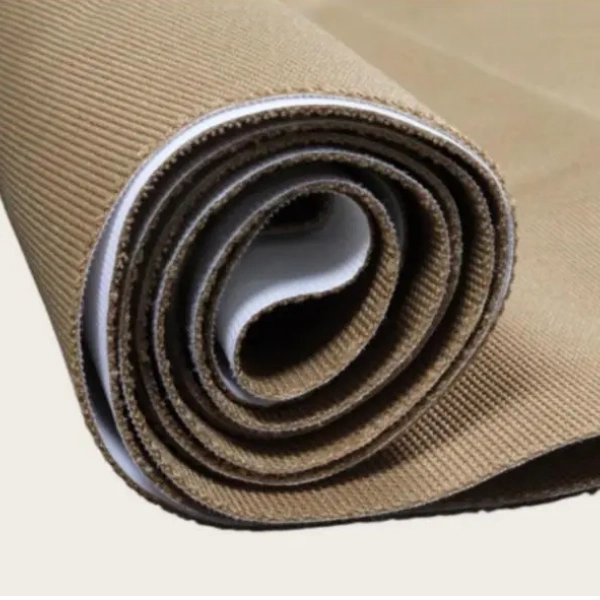
The reason is structural. Fixed costs such as machine setup, dyeing batch preparation, and quality inspection spread across more meters as order size grows, so mills can share those savings with buyers. Tier boundaries matter more than order maximums: consolidating two months of demand into a single run often crosses the threshold that unlocks the next discount level, while two separate smaller orders both sit in the expensive bottom tier.
| Order size per color | Typical price effect | What it unlocks |
| Under 500 m | Highest unit cost | Sampling and small trial runs |
| 500 to 1,000 m | Baseline list price | Standard stock colors |
| 1,000 to 3,000 m | 3 to 10 percent lower | Custom dyeing becomes viable |
| 3,000 to 10,000 m | 9 to 14 percent lower | Full tier pricing, priority scheduling |
| Above 10,000 m | 12 to 18 percent lower | Annual agreements, forward yarn booking |
Plan orders around these boundaries rather than around calendar convenience. A single consolidated order placed just above a tier line beats two orders placed below it, even when the total volume is identical. Also confirm what a tier includes besides the headline discount: payment terms, free samples, packaging standards, and delivery scheduling often carry more combined value than one additional point off the price.
How to Get Shoe Fabric at Wholesale Price
Wholesale pricing becomes available when you buy directly from a shoe fabric manufacturer or an authorized industrial supplier at the minimum order quantities they require, rather than purchasing retail cuts through marketplaces or local distributors. Direct relationships with a shoe fabric supplier routinely cut 10 to 25 percent from material costs compared with buying through trading layers.
Each sourcing channel carries a different cost structure:
| Channel | Typical cost impact | Best suited for |
| Direct factory sourcing | Lowest unit price, higher MOQ | Continuous production programs |
| Trading companies | 15 to 20 percent higher than factory | Small batches and mixed orders |
| Online marketplaces | Transparent but variable quality | Spot needs and initial sampling |
The trade-off with direct sourcing is commitment: factories price aggressively only when they see predictable volume. That is why wholesale access is less about negotiation tactics and more about presenting yourself as a serious industrial buyer.
What Wholesale Buyers Typically Need to Qualify
- Documented volume: a realistic annual or per-season quantity per fabric type
- Technical specifications: composition, construction, weight in grams per square meter, width, and color standards
- Compliance requirements: any testing or ecological certification the end market demands
- Payment and logistics readiness: agreed terms that reduce the supplier’s risk of working with you
Buyers who arrive with a complete specification package usually receive firm quotations on the first request, because nothing is left for the mill to hedge against.
Why Shoe Fabric Costs Have Risen So Much
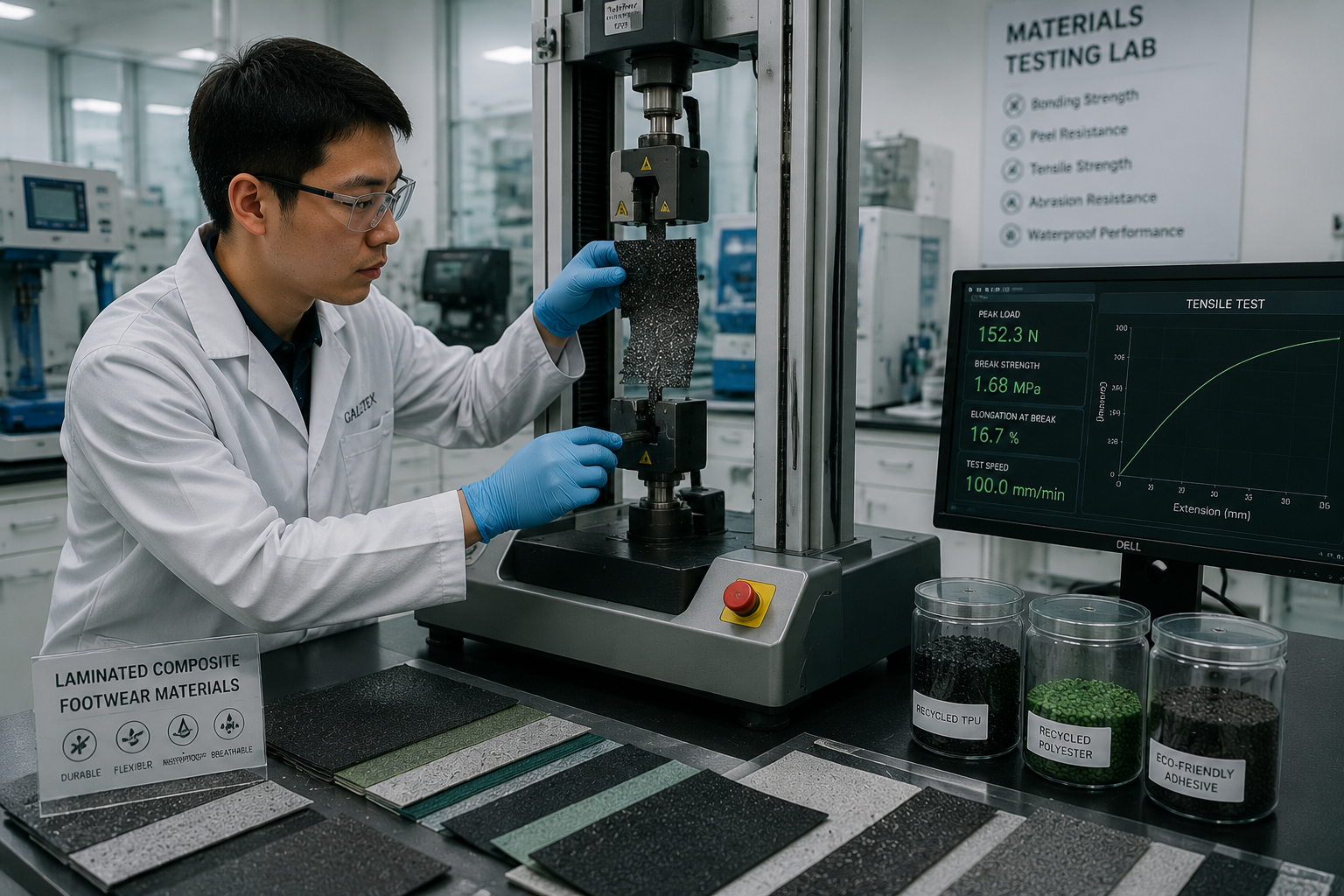
Fabric costs have climbed because raw fiber prices, energy-intensive processing, freight, and compliance requirements have all risen at once, and each layer of the supply chain passes its increase downstream. Cotton and synthetic fiber prices track commodity markets, dyeing and finishing track electricity and gas, and landed cost tracks container rates, so footwear buyers face pressure from several directions simultaneously.
Industry statistics illustrate the shift. Data compiled by the International Textile Manufacturers Federation shows yarn and fiber price indexes still running above their pre-pandemic baselines, with volatility that makes budgeting difficult from season to season. Cotton benchmarks published through the World Bank’s commodity markets data show similar swings driven by weather, export restrictions, and planting area changes, while synthetic fibers follow crude oil.
For shoe fabric buyers, the practical implication is not to predict markets but to build buffers: diversify suppliers across regions, lock prices through framework agreements when markets are favorable, and avoid spot purchases during obvious price spikes.
Beyond raw materials, energy-intensive stages such as dyeing, lamination, and finishing amplify price increases when electricity and gas costs rise, and growing environmental compliance requirements add testing and documentation overhead that mills pass through in their quotations. Understanding this cost anatomy helps buyers see which increases are temporary market noise and which are structural, so negotiation effort goes where savings are actually possible.
Consolidate Orders Across Models and Standardize Specifications
Consolidating the fabric needs of multiple shoe models into a single pooled order is one of the most powerful cost levers available, because aggregated volume pushes the entire purchase into a higher pricing tier and strengthens your negotiating position. Standardizing specifications across styles multiplies the effect by making every meter interchangeable between production runs.
Customization is where fabric budgets quietly die. Special textures, exclusive colorways, and unusual widths each add setup fees, minimums, and per-meter premiums. A disciplined approach separates what must be custom from what can be standard:
- Use standard constructions and stock colors for volume basics and interchangeable components
- Reserve custom dyeing and specialized finishes for flagship models where they command a price premium
- Specify common widths and weights across models so offcuts from one run feed the next
- Keep one approved shoes upper material construction per product family instead of per model
Standardization Without Sacrificing Shoe Performance
Standardization should never mean performance degradation. The right approach layers materials by function: a proven, standardized shoes lining material can run across an entire product line, while performance-critical layers such as waterproof membranes stay specified per model. This keeps innovation where customers feel it and commodity pricing where they do not.
Compare Suppliers and Negotiate Tiered Pricing
Effective negotiation starts with a complete, itemized request for quotation rather than a target price. Suppliers quote firmly and competitively only when they can see composition, weight, width, color strategy, annual volume, certification needs, and delivery windows, because every gap in the specification is a risk they price in.
A quotation-ready brief contains seven elements:
| Element | Why the mill needs it |
| Composition and construction | Sets yarn cost, the largest cost block |
| Weight with tolerance | Determines material sold per meter |
| Width | Affects usable yield per meter |
| Color strategy | Stock or custom changes the dyeing block |
| Annual volume per color | Sets the volume tier and discount |
| Certifications required | Adds premium and documentation |
| Delivery window | Determines scheduling fit |
With comparable quotes in hand, negotiate the tier boundary rather than the unit price. Asking for the 3,000 meter price on a 2,800 meter order, backed by a promise of repeat volume, succeeds far more often than open-ended price pressure, which simply teaches suppliers to quote high from the start.
Manage MOQ, Lead Times, and Shipping Costs
The true cost of bulk shoe fabric is the landed cost per meter, not the invoice price. Freight, duties, and expedited shipping routinely erase a year of negotiated savings in one rushed air shipment, so managing order timing and logistics discipline is as important as negotiating the price itself.
Practical measures include:
- Pool orders with sister styles or production partners to clear MOQ thresholds without overstocking
- Choose full container loads over consolidated shipments whenever volume allows
- Place orders early enough that sea freight remains viable, keeping air freight for genuine emergencies only
- Schedule around supplier peak seasons, when capacity tightens and premiums appear
- Review the full range of types of shoe fabrics your program uses, because consolidating fabric varieties reduces both MOQ exposure and shipping frequency
Lead time follows the same curve as price, in reverse: stock qualities ship fastest, custom dyeing adds weeks, and full custom construction adds more. Build production calendars around these realities instead of fighting them.
Use Quality Control to Avoid Hidden Costs
Quality control is a cost reduction tool, not an expense. A defective fabric batch that reaches the cutting room costs several times more to handle than inspection ever costs, because it triggers re-cutting, production stops, missed delivery windows, and sometimes entire re-shipments.
The economics are unforgiving. Skipping a standard inspection to save a small per-meter charge shifts full defect liability onto the buyer. Similarly, accepting a lower fabric weight to save 10 to 15 percent on the meter weakens strength and shrinkage performance, and a single failed wash or abrasion test in the market costs more than a season of fabric savings.
A disciplined quality workflow for bulk orders:
- Approve a golden sample and lab-dip before production, and reference it in the purchase contract
- Require mill-side inspection to a recognized four-point system with reports before shipment
- Conduct arrival inspection on a statistical sample of rolls before releasing fabric to cutting
- Track defect rates by supplier and fabric type so purchasing decisions reflect total cost, not just price
Time Your Purchases and Build Supplier Relationships
Cost reduction compounds over time when buyers time orders around supplier capacity cycles and invest in long-term supplier relationships. Seasonal slack periods bring better pricing and scheduling priority, while established relationships unlock early access to stock, flexible quantities, and prices that spot buyers never see.
Mills and laminating factories run their tightest capacity in the weeks before major holidays and peak shipping seasons, when labor gets scarce and freight rates climb. Booking a season’s fabric in quieter windows, and accepting slightly earlier delivery, is often worth more than any single price negotiation. Suppliers also remember how they were treated during slow seasons; buyers who squeeze to the last cent during downturns find themselves deprioritized during shortages.
Practical relationship-building habits include annual framework agreements with agreed volume bands, honest demand forecasts shared early, consolidated business with fewer strategic suppliers rather than scattered volume, and prompt payment that reduces the supplier’s financing risk.
Frequently Asked Questions
How do I negotiate lower minimum order quantities for shoe fabric?
Ask for tier flexibility rather than MOQ elimination. Offering a firm repeat-order schedule, accepting stock colors instead of custom dyeing, or pooling your order with a related style often convinces a mill to accept a smaller first run. Paying slightly more per meter on the trial batch, with a written step-down to bulk pricing at defined volumes, also works well.
How do I balance bulk fabric buying with inventory and cash flow limits?
Match order size to the discount threshold, not to maximum capacity. Calculate the holding cost of inventory, including storage and capital tied up, and compare it with the tier discount on offer. Scheduled deliveries against one bulk contract keep the pricing benefit while spreading inventory and cash outlay across the season.
Do sustainability certifications increase shoe fabric costs?
Certified fabrics typically carry a premium, but the cost is justified when your target market or retail channel requires it. The efficient approach is to certify only what you sell into demanding channels and use standard qualities elsewhere, and to weigh audit fees once per program rather than per order.