In the highly competitive footwear industry, protecting the wearer from the elements while maintaining optimal foot climate control is the ultimate goal. Whether you are manufacturing tactical work boots, high-altitude hiking boots, or everyday winter sneakers, integrating a high-quality waterproof breathable fabric is no longer a luxury—it is an absolute necessity.
However, not all weather-resistant materials are created equal. Some keep water out but trap sweat inside, leading to severe discomfort. In this comprehensive engineering guide, we will explore the science behind a true waterproof breathable fabric, how the technology is evolving in 2026, and how footwear brands can successfully integrate it into their production lines.
What is a Waterproof Breathable Fabric?
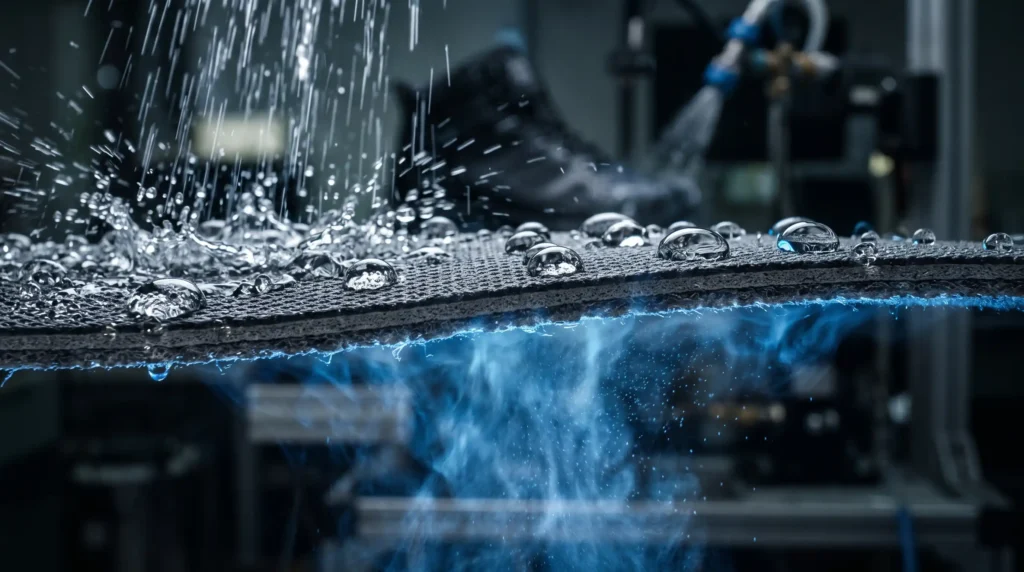
A waterproof breathable fabric is a specially engineered multi-layer textile designed to perform two seemingly contradictory functions simultaneously: it completely blocks liquid water from entering from the outside (waterproof), while allowing water vapor generated by body sweat to easily escape from the inside (breathable).
For footwear, this fabric is typically not a single piece of cloth. It is a highly technical composite material that consists of a durable outer shell (like nylon or mesh), a functional inner membrane, and a comfortable lining layer.
The Science: How Does a Waterproof Breathable Fabric Work?
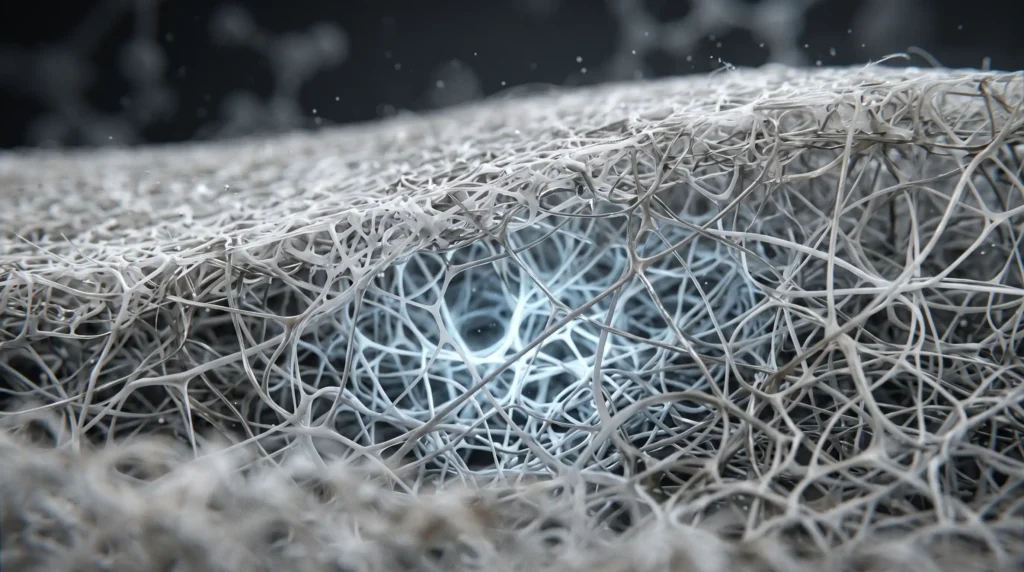
The secret to a high-performance waterproof breathable fabric lies in the microscopic architecture of its internal membrane. Most premium functional fabrics rely on a “microporous” structure.
To achieve the perfect balance, the microporous membrane contains billions of tiny pores per square inch. For optimal performance, these pores are precisely engineered to be approximately 2 to 3 micrometers (μm) in size.
Because a liquid water droplet is thousands of times larger than 2-3 μm, rain and mud absolutely cannot penetrate the fabric. However, a water vapor molecule (sweat gas) is hundreds of times smaller than the pore, allowing it to easily pass through the membrane and evaporate into the outside air. This ensures that the interior of the shoe remains dry from both external puddles and internal perspiration.
Key Membrane Technologies in 2026
The core of any waterproof breathable fabric is the chemical composition of its membrane. As the industry advances, manufacturers must choose the right technology for their specific footwear applications:
Traditional Microporous Membranes (ePTFE)
For decades, expanded Polytetrafluoroethylene (ePTFE) has been the industry standard for extreme outdoor gear. A PTFE membrane offers unparalleled breathability and high hydrostatic resistance, making it the top choice for heavy-duty military and mountaineering footwear.
Hydrophilic Solid Membranes (PU)
Polyurethane (PU) membranes are often solid (non-porous) but manage moisture through a chemical process. The hydrophilic PU absorbs sweat vapor and pushes it outward. While slightly less breathable than ePTFE under extreme exertion, a PU-based waterproof breathable fabric is highly flexible, durable, and highly cost-effective for casual and lifestyle footwear.
The Future: Eco-Friendly ePE and Fluorine-Free Alternatives
In recent years, the footwear industry has faced increasing pressure to eliminate harmful chemicals like PFAS (per- and polyfluoroalkyl substances). Leading the 2026 market trend, major brands are transitioning to expanded Polyethylene (ePE) membranes. An ePE-based waterproof breathable fabric delivers equivalent waterproofing and breathability performance without using fluorine chemistry, allowing footwear brands to stay ahead of strict global sustainability regulations.
How is Waterproof Breathable Fabric Laminated?
To make these delicate membranes usable on a shoe assembly line, they must be securely bonded to outer meshes and inner linings. Creating these composite shoe materials requires highly advanced PUR (Polyurethane Reactive) hot-melt dot lamination.
Instead of applying a flat wall of glue—which would ruin the breathability—manufacturers apply microscopic dots of adhesive. This secure dot-matrix pattern ensures the waterproof breathable fabric maintains maximum peel strength and durability during the shoe lasting process, without blocking the essential micropores.
Source Your Waterproof Breathable Fabric with Galetex
Choosing the correct material configuration can dictate the success or failure of a new footwear line. At Galetex, we are leading experts in the research, development, and lamination of premium technical textiles.
Whether you need a cutting-edge fluorine-free waterproof breathable fabric for an eco-conscious outdoor brand, or a cost-effective PU laminated roll for commercial sneakers, we provide precision-engineered solutions. Partner with Galetex to elevate your footwear’s performance and comfort to global standards.