Introduction
Outdoor footwear is expected to perform in some of the world’s most demanding environments. Whether hiking through mountain trails, working on construction sites, or exploring wet urban streets, shoes are constantly exposed to rain, mud, snow, and moisture. While sole design and cushioning are important, the upper material often determines how well a shoe protects the wearer from water while maintaining comfort throughout the day.
Modern waterproof shoe materials have evolved far beyond traditional coated fabrics. Today’s advanced textile technologies combine waterproof membranes, breathable fabrics, laminated composite materials, and durable surface treatments to create footwear that keeps feet dry without sacrificing flexibility or ventilation.
For footwear manufacturers, selecting the right waterproof material is essential for producing reliable outdoor shoes that meet both performance requirements and consumer expectations. Understanding how different waterproof materials work allows brands to design products suitable for hiking, trekking, safety footwear, sports shoes, and everyday outdoor use.
Understanding Waterproof Shoe Materials
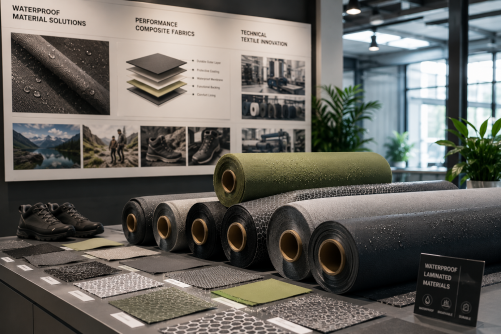
Waterproof shoe materials are specially engineered textiles designed to prevent water penetration while maintaining flexibility and long-term durability. Unlike ordinary fabrics, these materials incorporate multiple protective layers that work together to resist moisture without significantly increasing product weight.
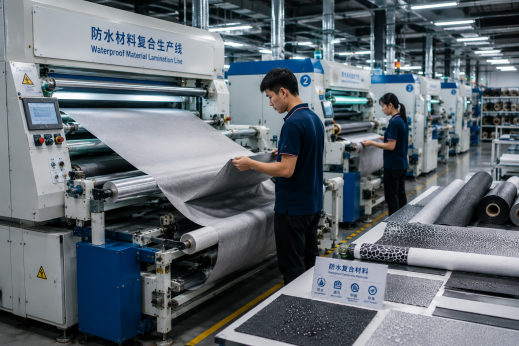
A typical waterproof shoe upper may include an outer protective fabric, a waterproof membrane, an adhesive bonding layer, and a breathable inner lining. Each layer performs a unique function, creating a balanced combination of protection and comfort.
Several manufacturing technologies are commonly used, including laminated fabrics, TPU film bonding, waterproof coatings, and high-density woven textiles. These technologies improve resistance to rain, mud, and moisture while helping maintain structural stability during continuous use.
Key Benefits of Waterproof Shoe Materials
Manufacturers continue to adopt advanced waterproof materials because they provide multiple performance advantages.
Excellent Water Resistance
The primary function of waterproof materials is to prevent water from entering the shoe. Advanced composite structures create effective barriers against rain, puddles, and snow while protecting the internal cushioning materials.
Improved Breathability
Modern waterproof materials no longer rely solely on thick coatings. Instead, breathable membranes allow water vapor generated by the foot to escape while preventing external moisture from entering. This balance helps reduce internal humidity and improves wearing comfort.
Higher Durability
Outdoor shoes experience continuous friction from rocks, dirt, branches, and rough surfaces. Composite waterproof materials are designed with abrasion-resistant outer layers that significantly increase product lifespan.
Lightweight Construction
New-generation waterproof fabrics achieve excellent protection without adding unnecessary weight. This is especially important for hiking shoes, trail running shoes, and professional outdoor footwear.
Common Waterproof Material Technologies
| Material Technology | Main Feature | Typical Application |
| TPU Laminated Fabric | Waterproof and flexible | Hiking Shoes |
| PU Coated Fabric | Cost-effective water protection | Casual Outdoor Shoes |
| Waterproof Membrane Composite | Excellent waterproof and breathable performance | Premium Outdoor Footwear |
| High Density Woven Fabric | Natural water resistance | Sports Footwear |
| Synthetic Microfiber Composite | Lightweight and durable | Safety Shoes |
Technical Specifications
| Property | Typical Value |
| Material Weight | 180–350 GSM |
| Waterproof Rating | ≥10,000 mm |
| Moisture Vapor Transmission | 5,000–15,000 g/m²/24h |
| Abrasion Resistance | ≥50,000 Cycles |
| Flex Resistance | Excellent |
| Temperature Performance | -20°C to 70°C |
Applications Across Outdoor Footwear
Waterproof shoe materials are widely used in different categories of footwear, depending on environmental requirements and user expectations.
| Footwear Type | Material Advantage |
| Hiking Boots | Long-lasting waterproof protection |
| Trekking Shoes | Lightweight with high durability |
| Trail Running Shoes | Breathability and flexibility |
| Safety Footwear | Water protection in industrial environments |
| Outdoor Casual Shoes | Everyday comfort and weather resistance |
Choosing the Right Waterproof Material for Different Applications
Selecting a waterproof shoe material involves more than simply choosing the highest waterproof rating. Manufacturers must consider the intended use of the footwear, environmental conditions, production methods, and customer expectations. A material that performs well in hiking boots may not be the best option for lightweight running shoes or fashion sneakers.
For example, hiking footwear requires a combination of waterproof performance, abrasion resistance, and structural support to withstand rough terrain. Trail running shoes prioritize lightweight construction and breathability, allowing athletes to move comfortably over long distances. Safety footwear often requires waterproof properties alongside oil resistance, puncture resistance, and compliance with workplace safety standards.
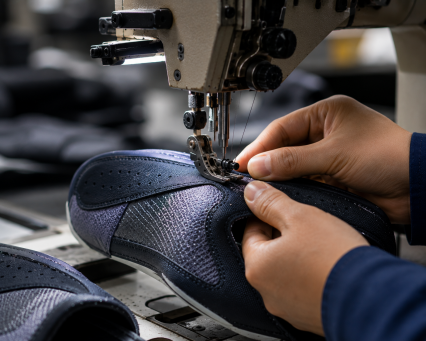
The manufacturing process also plays an important role. Composite laminated materials, seamless bonding technologies, and precision stitching techniques all contribute to improving waterproof performance while maintaining product quality and appearance.

Future Trends in Waterproof Footwear Materials
The footwear industry continues to invest in innovative waterproof technologies that deliver better performance while reducing environmental impact. Sustainability has become a major focus, encouraging manufacturers to develop recyclable materials and environmentally friendly production methods.
Several key trends are shaping the future of waterproof footwear materials:
- Recycled waterproof composite fabrics
- Fluorine-free water-repellent surface treatments
- Bio-based synthetic materials
- Ultra-light laminated structures
- Smart breathable membrane technology
- Automated quality inspection systems
- Digital material development and simulation
As outdoor activities continue to grow in popularity worldwide, consumer demand for lightweight, comfortable, and environmentally responsible waterproof footwear will continue to increase.
Why High-Quality Waterproof Materials Matter
For footwear manufacturers, material quality directly affects product performance, customer satisfaction, and brand reputation. High-quality waterproof materials help reduce product defects, improve consistency during mass production, and extend the service life of finished footwear.
Reliable materials also improve manufacturing efficiency by offering stable lamination quality, consistent thickness, and better compatibility with cutting, sewing, and lasting processes.
Choosing an experienced material supplier ensures access to technical support, customized material development, and consistent production quality, allowing footwear brands to respond quickly to changing market demands.
Conclusion
Waterproof shoe materials have become an essential component of modern outdoor footwear. By combining waterproof protection, breathability, durability, and lightweight performance, advanced composite materials help manufacturers create products that meet the expectations of today’s outdoor consumers.
As material technologies continue to evolve, waterproof footwear will become lighter, more sustainable, and more comfortable without compromising protection. Manufacturers who invest in high-performance waterproof materials will be better positioned to compete in the growing global outdoor footwear market.
Frequently Asked Questions (FAQ)
1. What is the best waterproof material for outdoor shoes?
Composite laminated materials with breathable waterproof membranes are widely considered one of the best options because they provide excellent water resistance while maintaining comfort.
2. Are waterproof shoe materials breathable?
Yes. Modern waterproof materials are designed to block liquid water while allowing moisture vapor from inside the shoe to escape, helping keep feet comfortable during extended wear.
3. How are waterproof shoe materials tested?
Waterproof footwear testing methods are often based on international textile testing standards to evaluate water resistance and durability. Manufacturers typically evaluate waterproof performance through hydrostatic pressure testing, water penetration testing, abrasion resistance testing, and repeated flex testing.
4. Which industries use waterproof shoe materials?
Waterproof materials are commonly used in hiking boots, outdoor sports shoes, safety footwear, military boots, work shoes, and casual outdoor footwear.
5. Can waterproof materials be environmentally friendly?
Yes. Many manufacturers now develop recycled waterproof fabrics, fluorine-free water-repellent coatings, and bio-based composite materials to reduce environmental impact.
Internal Link Recommendation
This article can link to:
- The Future of Lightweight Footwear: Advanced Composite Shoe Materials
- High-Performance Industrial Textile Materials for Modern Manufacturing
Call to Action (CTA)
Looking for reliable waterproof shoe materials for your next footwear project? Our advanced composite textile solutions combine durability, lightweight performance, and consistent manufacturing quality to help footwear brands develop high-performance outdoor products. Contact us today to discuss customized material solutions tailored to your application requirements.