Every pair of shoes is an engineered product, and the materials inside it determine far more than appearance. A shoe’s comfort, durability, breathability, weight, and unit cost all trace back to material selection. For footwear brands, sourcing teams, and manufacturers, understanding common shoe materials is the foundation for specifying products that hit performance targets and price points at the same time, whether the end use is casual wear, athletics, work, or formal occasions.
Shoes are made from a blend of natural and synthetic materials. The most common upper materials are leather, suede and nubuck, canvas, mesh and knit textiles and synthetic leather. The most common materials for soles and midsoles are rubber, EVA foam, thermoplastic compounds such as TPR and TPU and cork . Waterproof membrane materials such as ePTFE and TPU films provide weather protection . The materials are chosen to be a compromise between comfort, durability, weight, breathability and cost.
Below we’ve outlined where each material fits in a shoe, what each does well and how to determine which combination is right for your product.

How a Shoe Is Built: Where Each Material Fits
A shoe is assembled from distinct components, and each component relies on materials chosen for a specific job: the upper holds the foot, the lining manages moisture, the midsole cushions impact, and the outsole grips the ground.
Most footwear follows this layered construction, a system that has been refined over centuries of shoemaking, as outlined in the history of the shoe. Because each layer performs a different function, a single pair of shoes routinely combines five or more material families. The table below summarizes the main components and the materials most often specified for each.
| Part | Primary Function | Typical Materials |
| Upper | Covers, supports, and shapes the foot | Leather, suede, canvas, mesh, synthetic leather |
| Lining | Comfort, moisture control, abrasion protection | Mesh textiles, polyester, leather |
| Insole | Cushions and supports the underside of the foot | Foam, cork, fabric covers |
| Midsole | Absorbs impact and sets the ride | EVA foam, PU foam, rubber |
| Outsole | Provides grip and abrasion resistance | Rubber, TPR, TPU, EVA |
The upper alone often accounts for the largest share of material cost, which is why careful Shoes Upper Material selection is one of the first decisions in any development project. Interior layers deserve equal attention, because the right Shoes Lining Material directly affects how the shoe feels against the skin and how well it manages sweat.
Upper Materials: What Covers and Supports the Foot
The upper is typically made from leather, suede or nubuck, canvas, engineered mesh, or synthetic leather, and this single choice drives most of a shoe’s breathability, durability, appearance, and cost.
Uppers fall into two broad families: natural materials and synthetics. Natural options are prized for comfort that improves over time, while synthetics offer consistency, lower cost, and design flexibility. The five materials below cover the vast majority of upper specifications across casual, athletic, and formal footwear.
1. Leather
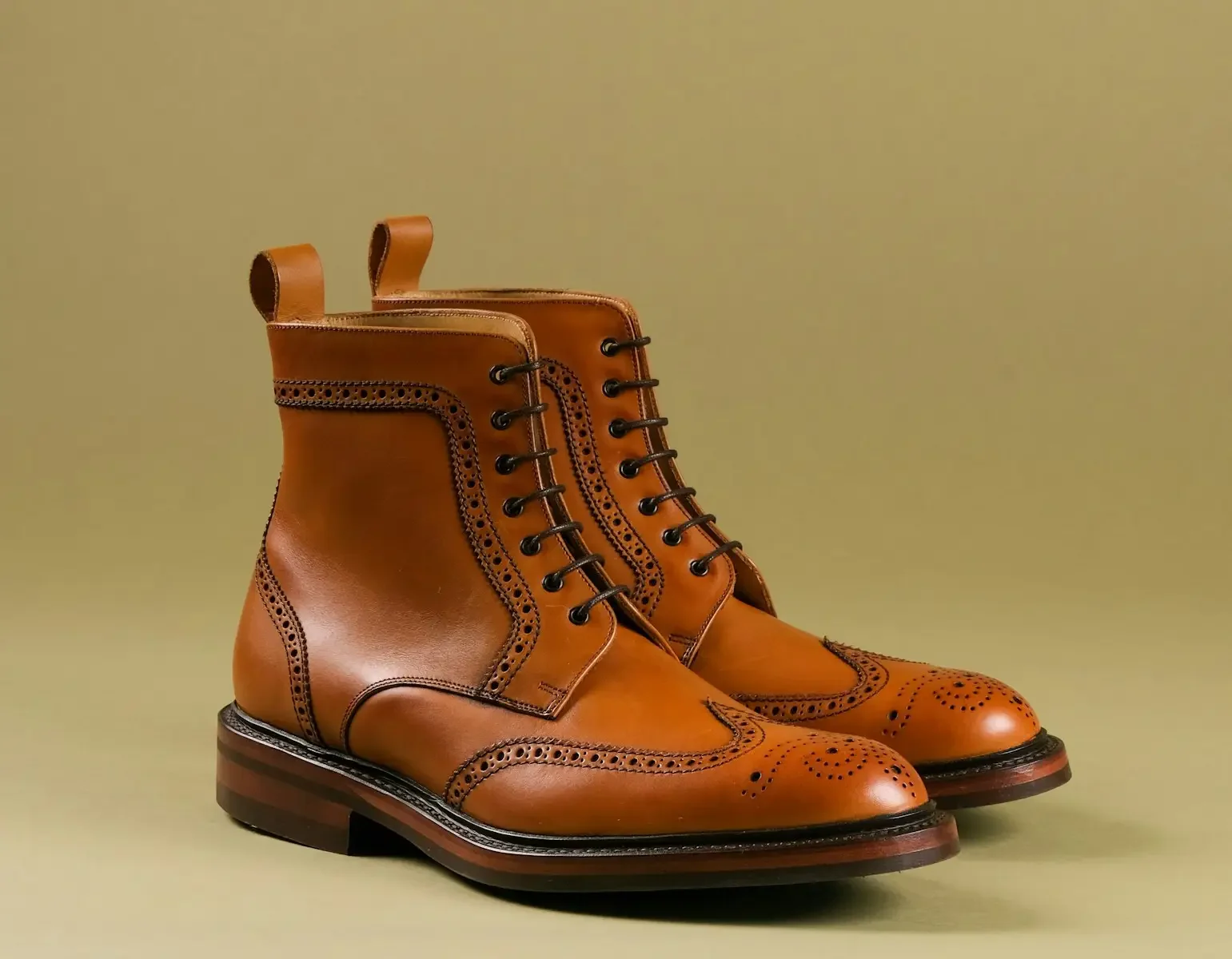
Leather is still the standard upper material for quality shoes. It is made by tanning animal hides, a process which changes a perishable raw skin into a stable, flexible material. The most durable and breathable grade, full-grain leather, retains its natural surface. Some performance is sacrificed for a lower price with corrected-grain and split leathers. Leather molds to the foot with wear, resists abrasion and sheds light moisture. Cons include a high price tag for good grades, heavier weight than textiles and the need for regular conditioning.
2. Suede and Nubuck
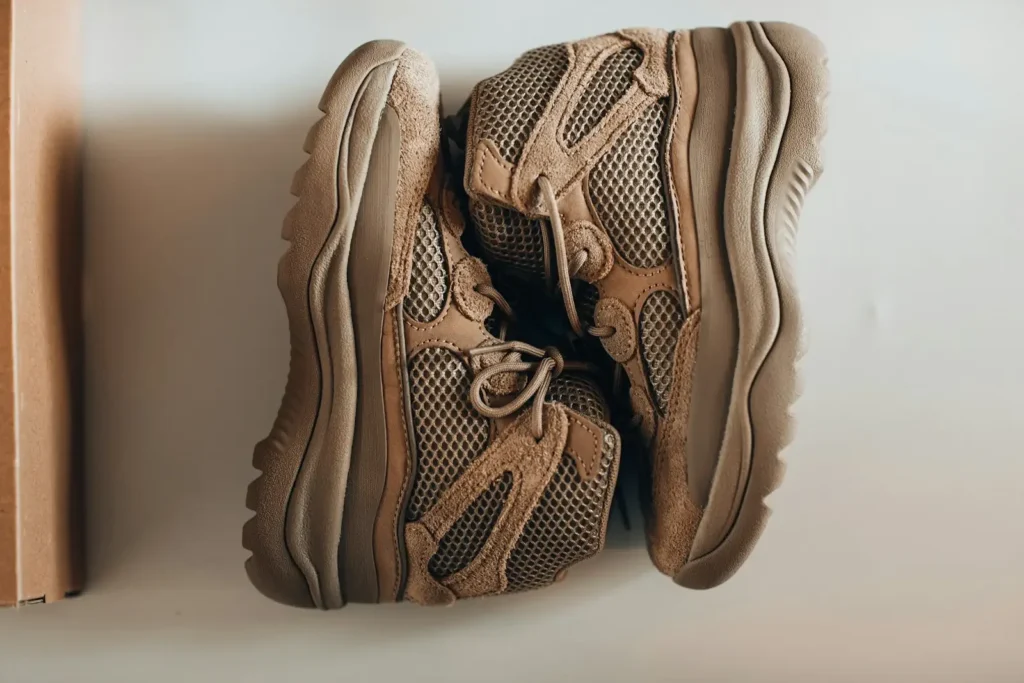
Suede comes from the soft under-side of a hide, nubuck is created by lightly sanding the outer surface. Both provide a velvety texture and a matte finish that leather cannot match. They’re lighter and more flexible than full grain leather and work well for different foot shapes. The trade-off is weather sensitivity. Open nap easily absorbs water and stains, so these materials are good for dry conditions and designs where appearance is more important than weather resistance.
3. Canvas
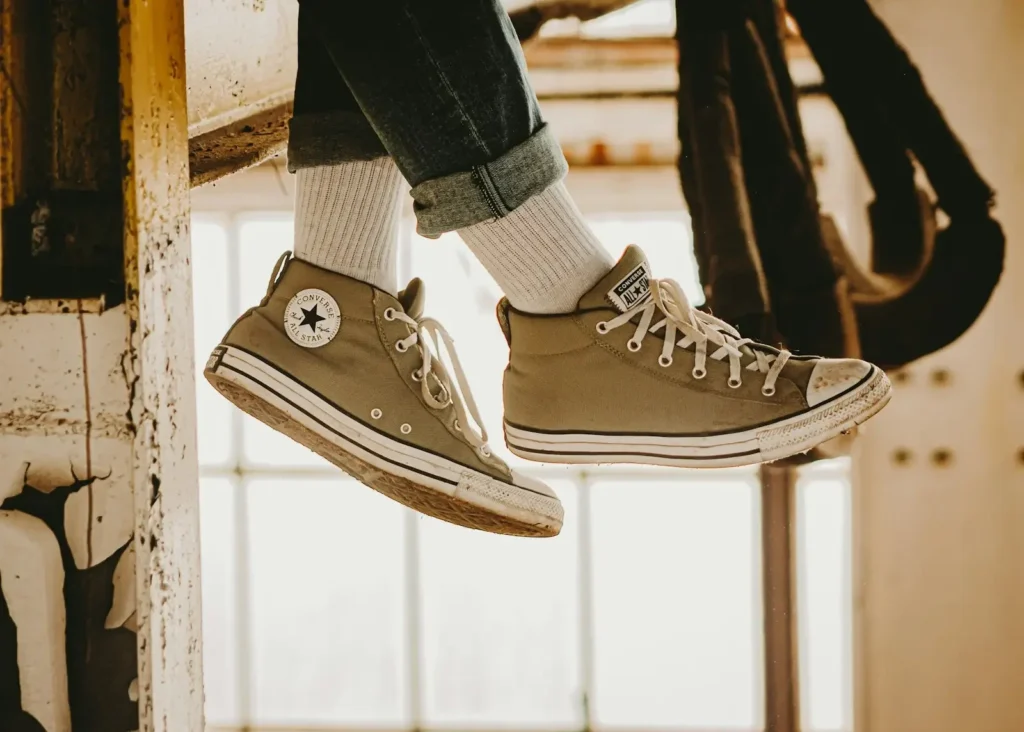
For generations, casual footwear has been anchored by canvas, a plain-woven fabric traditionally made from cotton or hemp. It’s affordable, lightweight, and incredibly breathable, making it a natural choice for sneakers, espadrilles and summer styles. Modern canvas is a blend of cotton and polyester, providing more strength and faster drying. It is not very durable, does not perform well in wet weather and tends to show dirt quickly.
4. Mesh and Knit Textiles
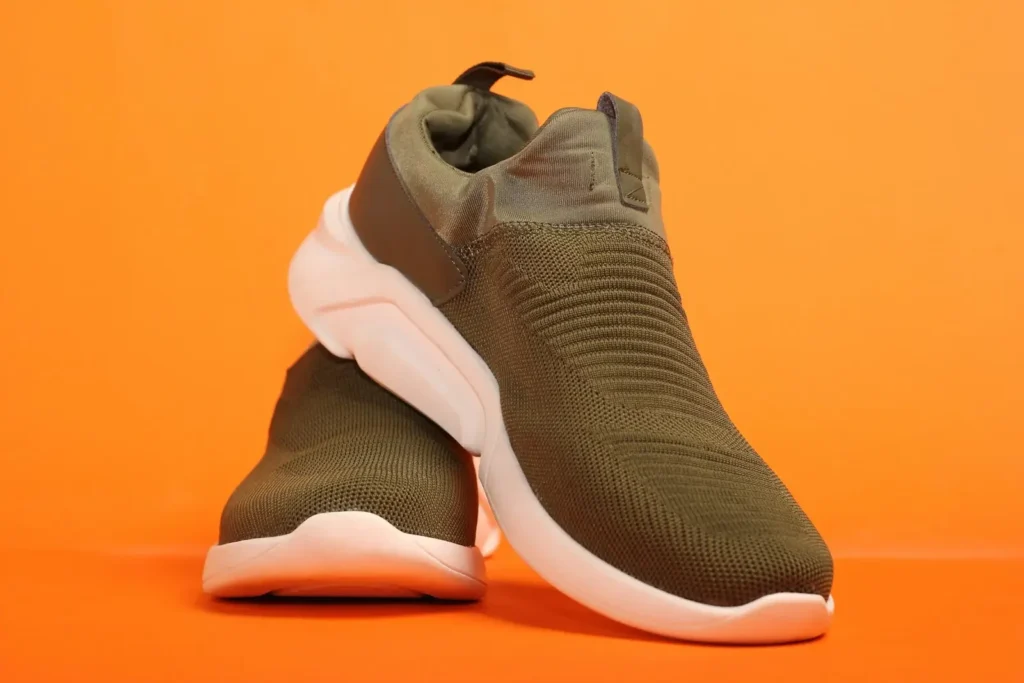
EnEngineered mesh and knit uppers dominate the athletic and lifestyle footwear space. Mesh fabrics are open structure textiles, often manufactured as layered constructions such as a face fabric bonded to a spacer mesh that maximize air flow whilst minimizing weight. The uppers are knitted in one piece for a sock-like fit with areas of stretch where needed. Both options are quick-drying and enable precise zoning of support and ventilation. The main trade-off is structure: textile uppers are generally less durable and supportive than leather.
5. Synthetic Leather
Synthetic leather reproduces the look of genuine leather using a polymer coating, usually polyurethane, over a textile or microfiber base. It costs significantly less than real leather, is easy to clean, and avoids animal products, which makes it the default choice for vegan footwear lines. Modern microfiber versions approach leather in softness. The gaps remain in breathability and aging: synthetic leather does not develop the same patina, can crack over time, and tends to trap more heat than natural hides.
Sole and Midsole Materials: Cushioning, Grip, and Support
Soles and midsoles are typically made from rubber, EVA foam, thermoplastic compounds such as TPR and TPU, or cork, with each material offering a different mix of grip, cushioning, weight, and durability.
The bottom half of a shoe controls how it feels underfoot and how long it lasts. A very common and sensible combination is a rubber outsole over a foam midsole: durability where the ground hits, cushioning where the foot sits.
6. Rubber
Rubber is the standard outsole material across nearly every footwear category. Natural rubber is harvested as latex from rubber trees and can also be produced synthetically from petroleum feedstocks. It delivers excellent grip, high abrasion resistance, and reliable flexibility across a wide temperature range, which is why it anchors work boots, trail shoes, and court sports footwear. Solid rubber is the most durable form, while blown rubber, which has air injected during processing, is lighter and softer but wears faster. The main drawback is weight.
7. EVA Foam
EVA, or ethylene-vinyl acetate, is the most widely used midsole foam in the world. It is light, soft, and moldable, with good shock absorption that protects the foot from repeated impact. Compression-molded EVA variants are firmer and more responsive, which suits performance footwear. EVA is also inexpensive, which keeps it popular in casual shoes. Its weakness is compression set: the foam gradually loses bounce and needs replacing well before the upper wears out.
8. Thermoplastics: TPR and TPU
Thermoplastic rubber and thermoplastic polyurethane are injected or extruded compounds that bridge the gap between rubber and plastic. TPR is flexible, cost-effective, and easy to color, making it common in casual and children’s footwear. TPU is tougher, with outstanding abrasion resistance and stability, and often appears in outsoles, shanks, toe caps, and support plates. Both materials can be processed quickly in high volume, though they generally cannot match the grip and feel of real rubber.
9. Cork
Cork is harvested from the bark of the cork oak, which regenerates after each harvest, making it one of the more renewable materials in footwear. It is used mainly in footbeds and insoles, where its cellular structure provides natural shock absorption and its firm feel supports the arch. Over time, cork compresses into the shape of the foot, creating a customized fit. It resists moisture and odor naturally. Its limits are cost and a look that suits only certain product types.
Waterproof Membrane Materials
Waterproof membrane materials, mainly expanded PTFE and TPU films, are thin laminated layers that block liquid water while allowing water vapor to escape, giving shoes weather protection without sealing them airtight.
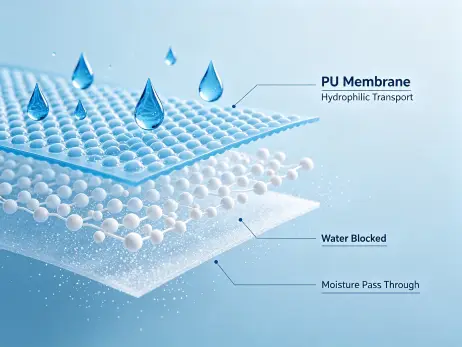
A membrane works as part of a laminate: a face fabric for durability, the membrane itself as the barrier, and a protective backing or lining for comfort. Microscopic pores in the film are large enough to let perspiration vapor out but far too small for liquid water droplets to enter. This is a different approach from coatings, which seal the surface but can feel clammy as sweat accumulates. Membrane laminates are standard in hiking boots, winter footwear, and outdoor performance styles. Specifying the right Shoes Membrane depends on the required water column rating and breathability balance for the target use.
What Is the Healthiest Shoe Material?
The healthiest shoe materials are natural, breathable options such as leather, cotton canvas, merino wool, and well-ventilated mesh, because they manage moisture, reduce heat buildup, and lower the risk of irritation, blistering, and odor.
Foot health depends heavily on the microclimate inside the shoe. A damp, warm interior encourages bacterial and fungal growth, which leads to odor and conditions such as athlete’s foot. Breathable materials keep the skin drier and cooler, and moisture-wicking linings move sweat away from the foot. Anyone comparing options should evaluate the Breathable Material for Shoes used in both the upper and the lining, since ventilation only works when air can pass through the whole construction. A small number of people are sensitive to residues from chrome tanning or to rubber additives, so sensitive skin is another reason to prefer certified, well-finished natural materials.
How to Choose the Right Shoe Material
The right shoe material depends on the intended use, climate, and target cost: define the demands placed on the foot first, then balance weight, durability, and price.
There is no single best material, only the best match for a product brief. Each of the classic shoe styles, from boots and loafers to sneakers and sandals, pairs naturally with certain materials, and the same logic applies at every level of the market.
| Use Case | Recommended Material Combination |
| Everyday casual | Canvas or mesh upper with EVA midsole |
| Running and training | Engineered mesh upper with EVA or PU midsole and rubber outsole |
| Hiking and outdoor | Leather or durable synthetic upper with waterproof membrane and rubber outsole |
| Work and safety | Full-grain leather or synthetic upper with PU midsole and slip-resistant rubber outsole |
| Formal | Leather upper with leather or rubber outsole |
For product teams, the practical sequence is to start from use case and price, prioritize the component that matters most for that shoe, and request physical swatches before committing, because materials feel very different in hand than on a spec sheet. A shoe specified this way will deliver the right combination of comfort, protection, and value for its intended wearer.
FAQs
How can I tell which material a shoe is made from?
Start with the label, since most manufacturers list upper and lining materials by percentage. Symbols printed on the tongue or insole also indicate material types. If there is no label, texture is a reliable guide: genuine leather has irregular pores and a warm feel, synthetic leather feels uniform and plastic-like, and textiles can be identified by their visible weave.
Can shoe materials cause skin irritation or allergies?
Yes, occasionally. Reactions are usually triggered by residual chemicals from leather tanning, adhesives, or rubber accelerators rather than the base materials themselves. Choosing footwear with certified materials and well-finished linings, and wearing socks as a barrier, minimizes the risk for most wearers.
Which shoe materials are easiest to recycle?
Single-material components recycle best: EVA foam, TPU, natural rubber, and mono-material textiles can often be reground into new products. Footwear made from laminated combinations of fabric, foam, and membrane is harder to separate, so design choices at the specification stage largely determine recyclability.