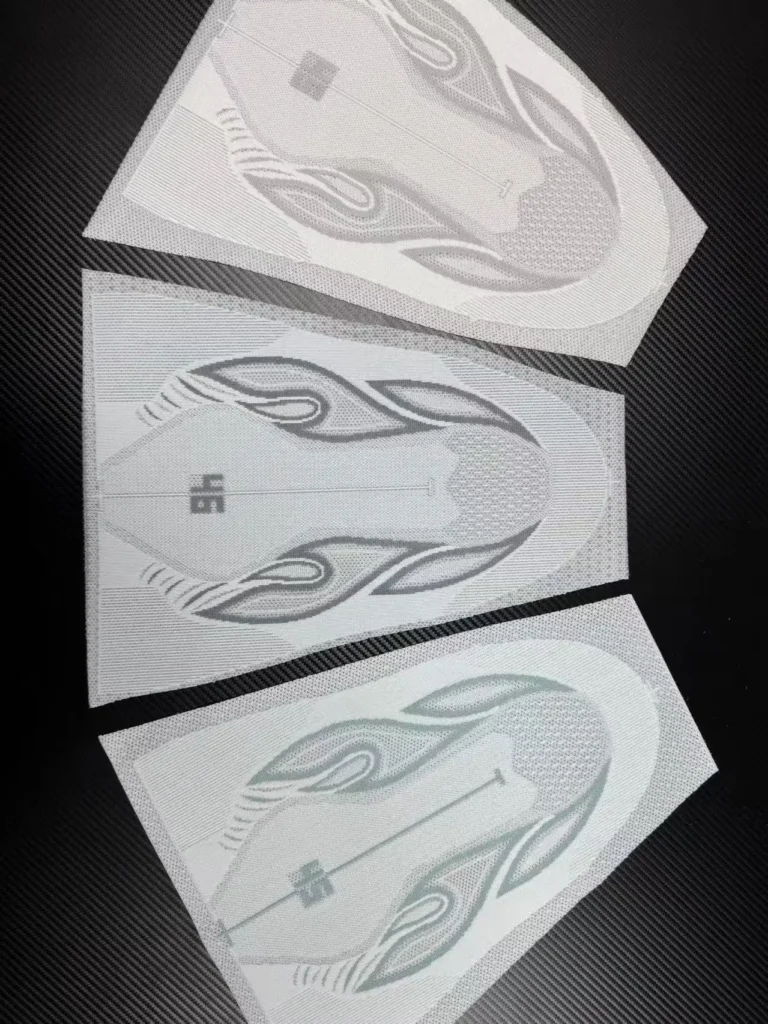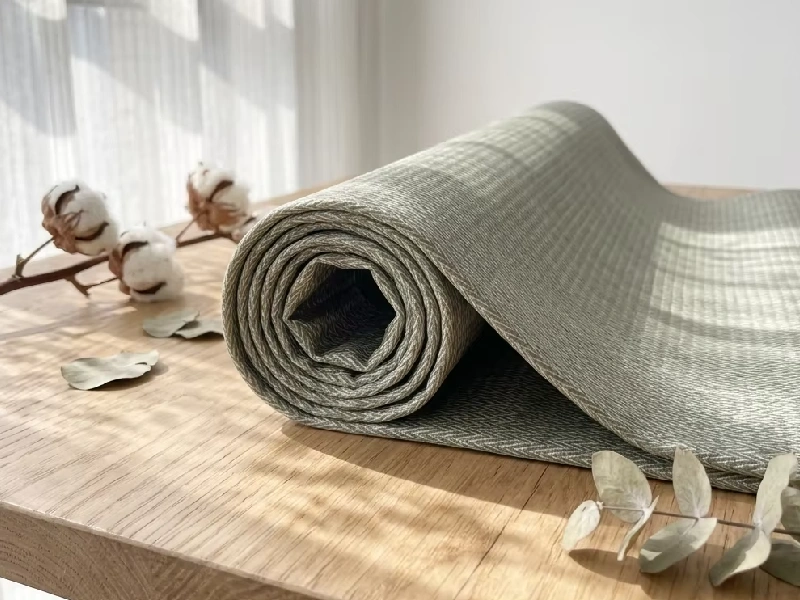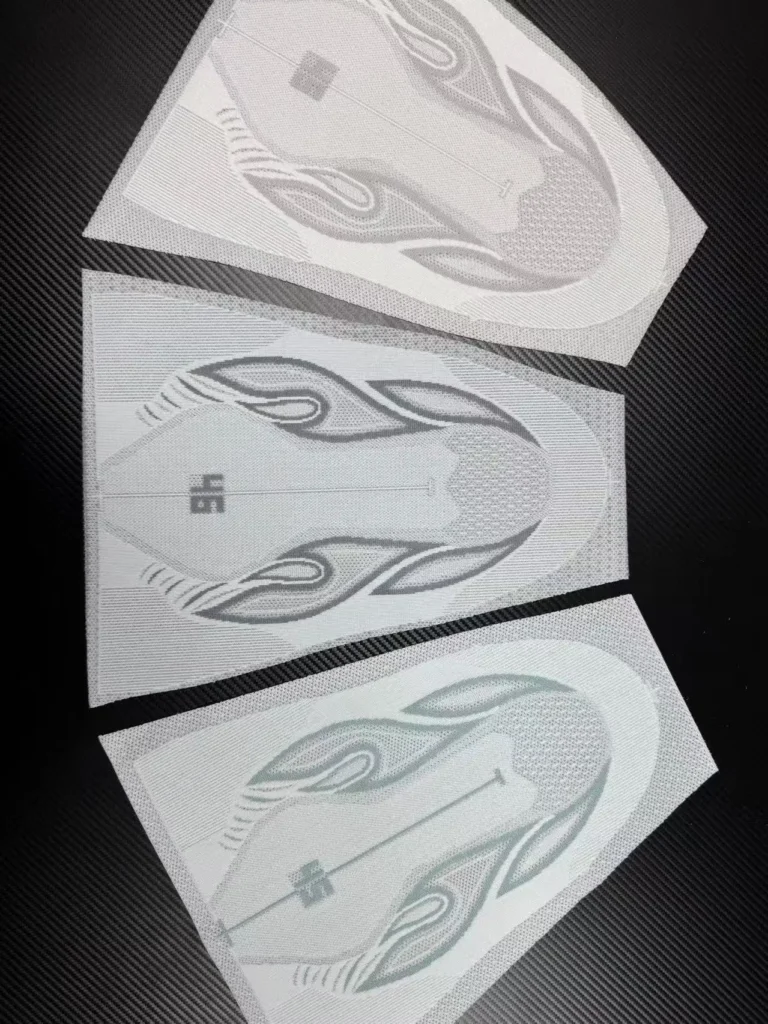
Walk into any shoe store and the uppers tell a quiet story about shoes fabric. The knit sneaker in one corner flexes like a sock, the leather boot across the aisle stands stiff and polished, and the trail shoe on the wall promises to shrug off rain. All of them are made from fabric, but the shoes fabrics could not be more different. For anyone who designs, sources, or sells footwear, knowing what shoes fabrics are used is not a trivia question. It shapes every decision from the sample stage to the final price tag, and it determines whether a product meets the expectations of the customer who buys it.
The fabrics used to make shoes include natural textiles such as leather, canvas, and wool, synthetic materials such as polyester, nylon, and PU, and engineered composites that combine mesh, knit, foam, and waterproof membranes. Most modern shoes use several fabric layers working together, with each layer chosen for a specific job in the upper, the lining, or the structural support of the shoe.
This guide walks through the main fabric families in footwear production, explains how each one behaves on the foot, and shows how brands and buyers can match materials to the products they want to build, from everyday casual styles to heavy-duty work and outdoor footwear.
Shoes Fabric Categories: The Main Families in Manufacturing
Shoes fabrics fall into three families: natural materials, synthetic textiles, and engineered composite layers. Each family brings a distinct balance of cost, comfort, durability, and performance.
Natural shoes fabrics
Natural materials are the oldest shoes fabrics and still hold important positions in the market. Leather is the most recognizable. It is used in dress shoes, work boots, and premium casual styles because it molds to the foot over time, resists abrasion, and develops a surface character that synthetic leathers cannot fully copy. Canvas, usually woven from cotton, appears throughout the sneaker and casual segment. It is inexpensive, breathable, easy to print on, and comfortable to wear in warm weather. Wool and felt show up in cold-weather boots and indoor slippers, where insulation matters more than structure.
Natural fabrics regulate moisture reasonably well and feel good against the skin. Their limits are equally clear. Leather requires tanning and finishing, adds weight, and varies in quality with the animal hide. Cotton canvas absorbs water, takes time to dry, and can lose shape when soaked repeatedly. These constraints are why natural materials are rarely used alone in performance footwear, and why most shoes pair them with other layers.
Synthetic shoes fabrics
Synthetic textiles account for the largest share of shoes fabric production. Polyester is everywhere in athletic and casual uppers because it is light, fast-drying, colorfast, and cheap to produce at scale. Nylon adds strength and abrasion resistance, which makes it a favorite for hiking, work, and outdoor products. Polyurethane (PU) and PVC form the basis of synthetic leather, which delivers a leather-like look with lower cost, easier care, and more consistent quality across batches.
The weakness of synthetics shows up when they are used without design thought. Dense polyester and nylon weaves trap heat and moisture, leaving the foot sweaty and the shoe prone to odor. Manufacturers solve this with mesh panels, breathable linings, and moisture-wicking finishes rather than abandoning synthetics altogether.
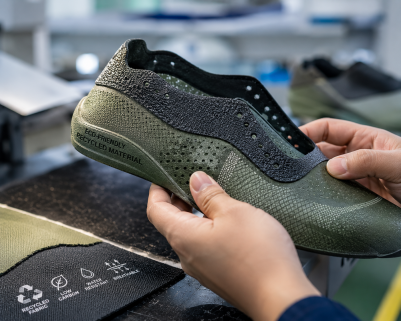
Engineered composite shoes fabrics
Engineered composites are the most interesting part of modern shoes fabric. A single layer of textile cannot be breathable, waterproof, flexible, and durable at the same time, so manufacturers bond two or more materials into one structure. A typical laminated composite might combine an outer mesh for airflow, a middle membrane for water resistance, and an inner tricot for comfort.
This layering is what makes contemporary athletic and outdoor shoes possible. Runners get a shoe that sheds light rain without turning into a sauna. Hikers get an upper that survives rocks and brush while keeping the foot dry. The fabric is no longer a single material; it is a system, and choosing the right system is where material knowledge pays off.
What Are the Most Common Shoes Fabrics and Their Properties?
The most common shoes fabrics are polyester, nylon, canvas, leather, PU synthetic leather, mesh, knit, and laminated composites. Their properties differ widely in weight, breathability, durability, water resistance, and cost, so each one suits a different type of shoe.
| Fabric | Weight | Breathability | Durability | Water Resistance | Typical Cost | Common Uses |
|---|---|---|---|---|---|---|
| Polyester | Low | Medium | Medium | Low | Low | Athletic uppers, linings |
| Nylon | Low | Medium | High | Medium | Low-Medium | Hiking, work, outdoor |
| Canvas (cotton) | Medium | High | Medium | Low | Low | Sneakers, casual |
| Leather | High | Low-Medium | High | Medium-High | High | Dress, work boots, premium |
| PU synthetic leather | Medium | Low | Medium | High | Medium | Casual, fashion, children |
| Mesh | Very Low | Very High | Medium | Low | Low | Running, performance |
| Engineered knit | Low | High | Medium-High | Low-Medium | Medium | Athletic, lifestyle |
| Laminated composite | Medium | Variable | High | High | Medium-High | Outdoor, waterproof shoes |
Reading this table as a checklist is tempting, but the real insight is simpler: every fabric trades one property for another. High breathability usually comes with lower water resistance. High durability usually comes with higher weight. The job of the designer is not to find the “best” fabric but to find the fabric that matches the shoe’s purpose, price point, and the conditions where the customer will actually wear it.
How Shoes Fabric Properties Affect Fit and Longevity
Fabric choice directly controls how a shoe breathes, flexes, stretches, resists wear, and handles water. A shoe built from the wrong fabric can feel hot, stiff, or flimsy even when the sole and last are well designed.
Breathability and moisture management
Breathability is the fabric’s ability to let air and moisture vapor escape. It matters most in athletic and warm-weather shoes. When the foot cannot breathe, sweat builds up, blisters form, and odor becomes a problem. Mesh and open-knit fabrics are the standard solution because their open structure allows continuous airflow. Some uppers add moisture-wicking linings that pull sweat away from the skin and spread it across a wider surface for faster evaporation. Buyers looking for this behavior should ask about Breathable Material for Shoes and request air permeability data rather than relying on how the sample feels in hand.
Flexibility and stretch
Flexibility controls how naturally the shoe moves with the foot. Knit uppers excel here. A well-designed engineered knit stretches in the areas where the foot bends and locks down where support is needed, all in a single seamless piece. Woven fabrics are stiffer and more stable, which makes them better for shoes that need structure, such as work boots or structured casual styles. The trade-off is real: a shoe that flexes easily may not hold its shape as long, and a shoe that holds its shape perfectly may fight the foot at every step.
Durability and abrasion resistance
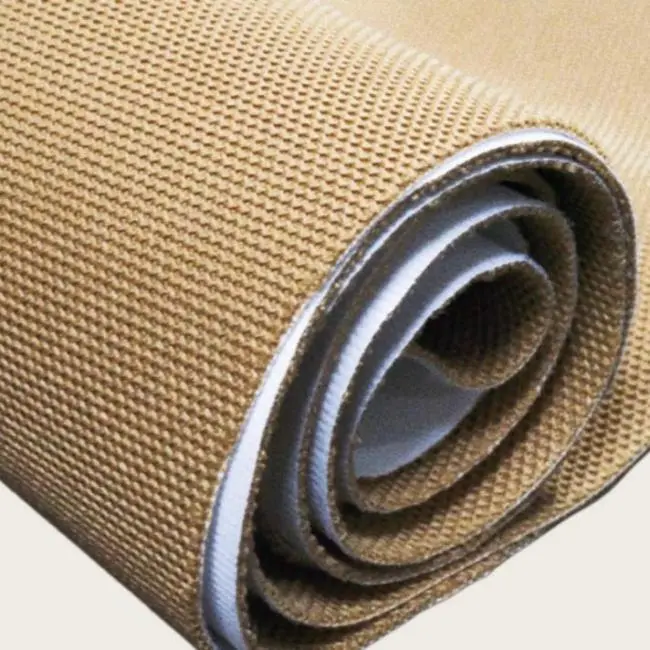
Durability is about surviving the daily abuse of walking, friction, and repeated flexing. Nylon and leather are the strongest performers, which is why they dominate work and outdoor categories. Dense weaves and heavy coatings raise abrasion resistance but also add weight and stiffness. For buyers, the practical question is not whether a fabric is durable in the lab, but whether it survives the specific use case: a warehouse worker scuffs against pallets all day, a hiker scrapes against rocks, and a commuter mostly walks on pavement. These three users need different answers. Factories that supply Durable Material for Shoes usually have test data for tear strength and abrasion cycles that make the comparison concrete.
How Shoes Fabric Choice Varies by Footwear Type
Running shoes favor breathable knits and mesh, hiking and work boots favor durable nylons and waterproof composites, and casual shoes lean on canvas, PU, and simple wovens. The shoe type defines the fabric requirement before any supplier is chosen.
Athletic and performance shoes
Athletic shoes need to be light, breathable, and flexible, with structure only where the foot needs support. Engineered knit uppers now cover much of this category because they combine stretch, targeted support, and low weight in one piece. Mesh adds airflow in the hottest zones, and thin foam layers provide structure without stiffness. Many performance models also add a moisture-wicking lining or a breathable waterproof membrane for training in wet conditions. When weight is the priority, Lightweight Material for Shoes becomes the starting point of the material specification.
Work, hiking, and outdoor shoes
This segment flips the priorities. Protection comes first, and fabrics must survive abrasion, chemicals, and repeated impact. Work boots use thick leather or heavily coated synthetics at the toe and heel. Hiking shoes use nylon and Oxford weaves reinforced at stress points. Water resistance is usually non-negotiable, which is why many outdoor uppers are built around a Waterproof Fabric Upper with a membrane underneath. The outer fabric takes the abuse; the membrane keeps the foot dry; the lining manages moisture on the inside. All three layers have to work together for the shoe to do its job.
Casual and fashion shoes
Casual shoes are where appearance, price, and comfort decide the fabric choice. Canvas covers the classic sneaker market, PU synthetic leather handles the fashion and children’s segments, and simple woven textiles appear throughout affordable casual lines. These materials are easy to clean, come in many colors and textures, and keep production costs low enough for accessible retail prices. Performance requirements are modest, which gives designers freedom to experiment with prints, surface treatments, and seasonal colors without the constraints of athletic footwear.
Why Do Waterproof and Breathable Fabrics Go Together?
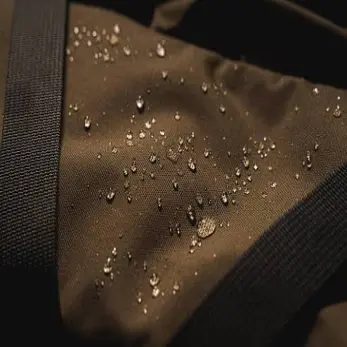
A waterproof shoe is not made by a single fabric but by a membrane layered between the outer fabric and the lining. The membrane blocks liquid water from outside while letting moisture vapor escape from inside, which is why waterproof and breathable are achieved together rather than as opposites.
Waterproofing has two approaches. Coatings seal the surface of the outer fabric, which works for light rain but tends to wear off with flexing and washing. Membranes provide a more durable solution. A thin polymer film sits inside the upper and physically blocks liquid water while allowing water vapor molecules to pass through. This is how outdoor shoes stay dry on the outside without trapping sweat on the inside.
The membrane market has its own material families. PTFE membranes offer high breathability and strong waterproofing. PU membranes deliver reliable performance at a lower cost. TPU membranes add durability and flexibility. Suppliers organize these options under Shoes Membrane categories, and the choice among them depends on the shoe’s price point, the waterproof rating required, and how much breathability the end user needs. For buyers, the key numbers are the water column pressure rating and the moisture vapor transmission rate, and both should come from test reports, not sales sheets.
What Is the Role of Sustainable Fabrics in Footwear?
Sustainable shoes fabrics reduce environmental impact through recycled fibers, bio-based materials, and manufacturing processes that use less water, energy, and waste. The trade-offs are cost and performance consistency, so buyers should evaluate them against real product requirements.
Sustainability in footwear is moving from a marketing angle to a sourcing requirement. Recycled polyester, made from post-consumer bottles or post-industrial waste, now appears in athletic and casual uppers at scale. Bio-based materials, including plant-derived polymers, are entering the market. Recycled and water-based coatings reduce the chemical load of leather finishing. These options let brands respond to customer expectations without abandoning the performance standards of their existing lines.
The practical challenges are real. Recycled fibers can vary more than virgin fibers in color and consistency. Bio-based materials often carry a cost premium. Certification adds paperwork, and the supply base is smaller than for conventional materials. None of these are reasons to avoid sustainability; they are reasons to start the conversation early with the supplier and to ask for documented material content and test data. For buyers ready to make the switch, Sustainable Material for Shoes options are now available from specialized suppliers who can match conventional performance specifications.
How Should Brands Choose a Shoes Fabric Supplier?
Brands should choose a shoes fabric supplier that can provide test data, consistent quality across batches, clear minimum order quantities, and custom development support, because material consistency decides whether the finished shoe meets expectations order after order.
Start with the material specification. Write down the required weight, construction (woven, knit, or laminated), colorfastness, and performance targets before contacting suppliers. A clear specification lets suppliers quote accurately and lets you compare offers on the same basis.
Verify with test data and samples. Ask for physical test reports on abrasion, tear strength, breathability, and water resistance. Then request sample rolls and run your own trials, including sewing a test upper and washing it several times. Many material problems only appear after washing, when colors shift or laminated layers start to separate.
Check order terms and lead times. Shoes fabric is supplied in rolls with minimum quantities that vary between stock items and custom developments. Custom colors, custom textures, and special laminations push minimums up and lead times out. Confirm both before you commit, and build sampling time into the product calendar.
Confirm customization capability. If the product needs a unique color, a branded surface, or a specific layer combination, the supplier needs the tooling and production lines to match it. Working with a Shoes Material Manufacturer that offers Custom Shoes Material Services shortens the distance between your idea and a production-ready material, especially when lamination and coating are done in-house.
FAQ
What is the most common fabric used in shoes?
Polyester is the most common fabric in volume terms because it is inexpensive, light, fast-drying, and easy to produce at scale. It appears in most athletic and casual uppers and in many linings. Leather remains the most common fabric in premium and work categories, while nylon dominates hiking and outdoor products. In practice, most shoes combine several fabrics, so “most common” depends on the segment you are looking at.
Can a shoe be made from a single fabric?
A simple shoe can be made from a single fabric, and many casual styles are. Canvas sneakers and some knit shoes use one material for most of the upper. But as performance demands rise, the shoe usually splits into layers: an outer face for appearance and abrasion resistance, a middle layer for cushioning or waterproofing, and a lining for moisture management. Multi-layer construction is the standard in athletic, work, and outdoor footwear.
How can I tell if a shoes fabric will be durable?
The most reliable way is to check physical test data. Abrasion resistance is measured in cycles on a standard testing machine, tear strength is reported in newtons, and flexing endurance shows how the material survives repeated bending. You can also do a practical test: rub the fabric against a rough surface, bend it repeatedly, and wash it several times to see how it holds up. Both the numbers and the hands-on test together give a realistic picture.