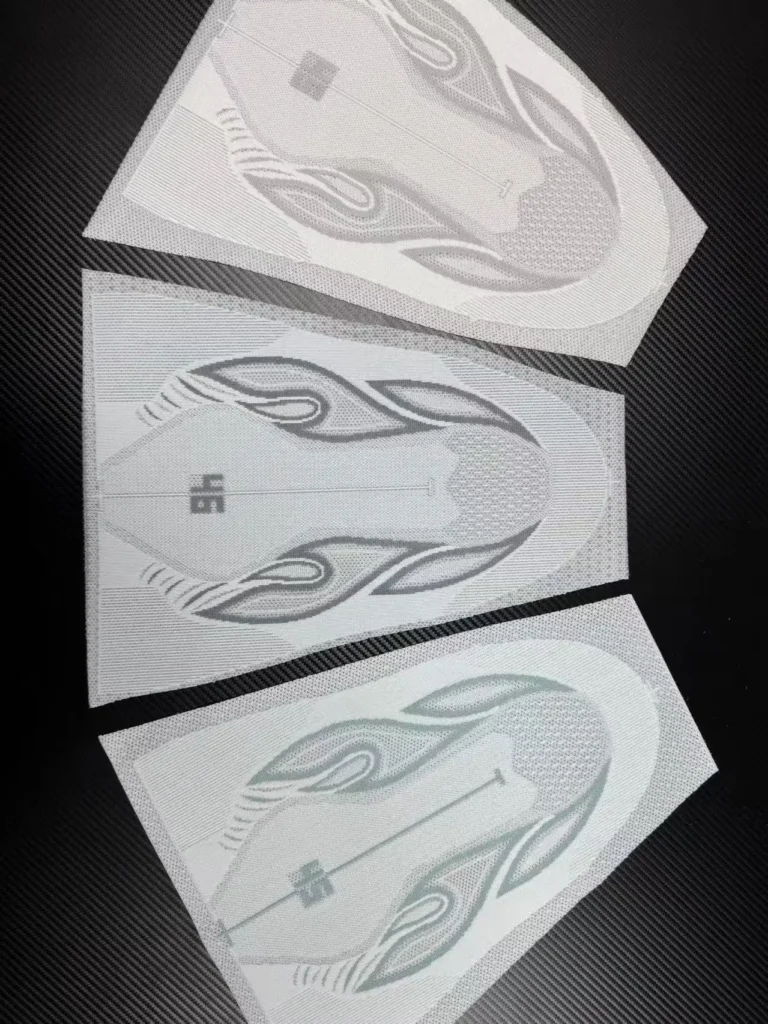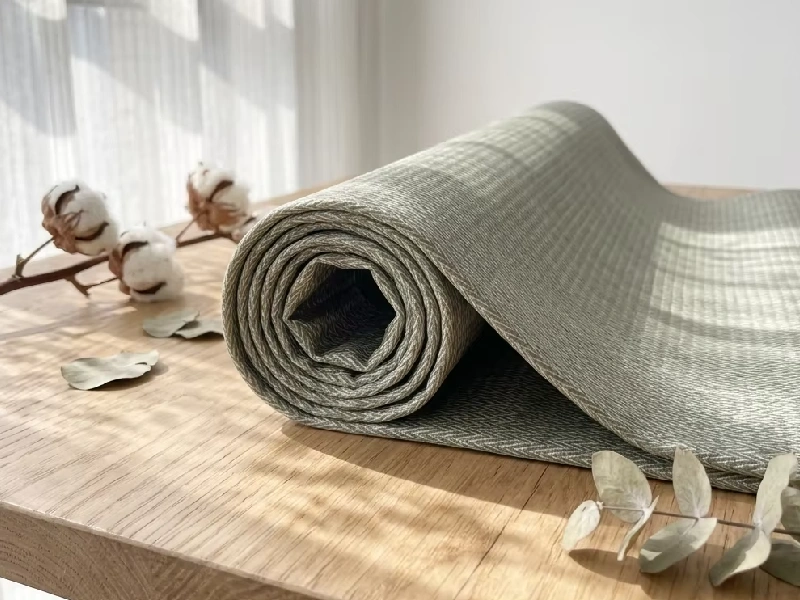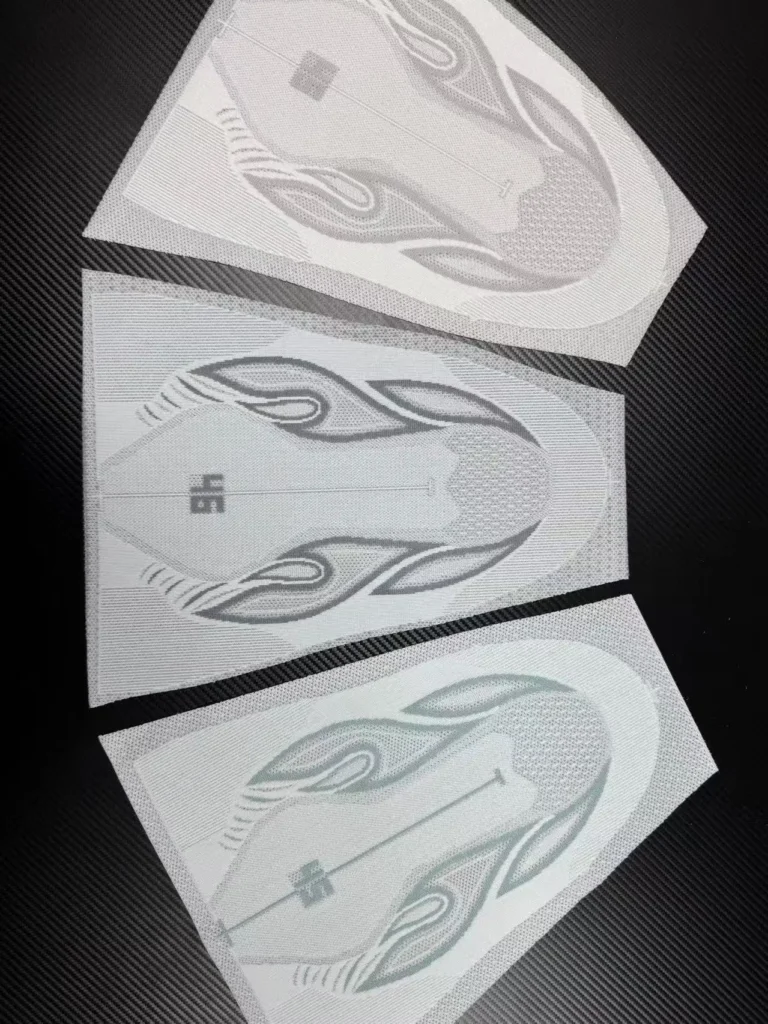
The fabric that wraps the foot is often the first thing a customer notices about a shoe, and it is also the part that decides how the shoe breathes, flexes, and holds up over time. For brands, designers, and procurement teams, the choice of shoe fabric affects fit, comfort, durability, and production cost. Yet the range of options can be confusing: mesh, knit, Oxford, PU, waterproof membrane, and dozens of other terms all describe materials that behave very differently on the foot. Understanding what these materials actually are, and how they compare, is the difference between a product that sells well and one that comes back with complaints.
Shoe fabric is the textile material used to build the upper part of a shoe, the section that covers the foot and connects to the sole. It determines how the shoe breathes, stretches, resists water, and keeps its shape. Common shoe fabrics include woven and knitted textiles, mesh, leather, synthetic leather, and engineered composites that combine multiple layers for specific performance goals.
This guide breaks down the main categories of shoe fabric, the performance features that matter in real-world use, how different fabrics suit different shoe types, and what buyers should verify before placing orders with a Shoes Fabric Manufacturers partner.
What Is Shoe Fabric?
Shoe fabric refers to the material forming the upper of a footwear product. It is the main point of contact between the foot and the shoe, and it must balance breathability, flexibility, durability, and appearance in a single structure.
The upper of a shoe does three jobs. It holds the foot in place during movement, it manages temperature and moisture around the foot, and it protects the foot from the outside environment. No single material handles all three perfectly, which is why shoe fabric has become a layered product category rather than a single textile.
A typical modern upper is not one material but a stack. The outer face provides appearance and abrasion resistance. A middle layer, often foam or a functional membrane, adds cushioning or waterproofing. The inner lining sits against the foot and manages moisture. This layering is common in running shoes, work boots, and outdoor footwear, and it explains why buyers in the footwear industry rarely talk about “fabric” in the singular. They talk about Shoes Upper Material and Shoes Lining Material as separate purchasing decisions.
What Are the Main Types of Shoe Fabrics?
Shoe fabrics fall into three broad groups: natural materials, synthetic materials, and engineered composites. Each group serves different price points, performance targets, and end uses.
Natural shoe fabrics
Natural materials have been used in footwear for centuries and still hold clear positions in the market. Leather remains the standard for dress shoes, work boots, and premium casual footwear because it molds to the foot, resists abrasion, and develops character with age. Canvas, typically cotton, is common in sneakers and casual shoes because it is cheap, breathable, and easy to print on. Wool and felt appear in cold-weather and house footwear where insulation matters more than structure.
Natural fabrics generally feel comfortable against the skin and regulate moisture reasonably well. Their downsides are also well known: they absorb water, require careful treatment, and vary in quality from batch to batch because they depend on animal hides or crop harvests.
Synthetic shoe fabrics
Synthetic materials account for most volume production because they are consistent, inexpensive, and can be engineered for specific properties. Polyester and nylon are the workhorses of athletic and casual footwear. They dry quickly, resist abrasion, and hold color well. Polyurethane (PU) and PVC appear in synthetic leathers that mimic the look of animal leather at a fraction of the cost and with easier maintenance.
The trade-off with synthetics is comfort. Some polyester and nylon fabrics trap heat and moisture when used in dense weaves, which is why manufacturers pair them with mesh panels or breathable linings rather than using them as a single layer.
Within synthetics, the construction method matters as much as the polymer. Woven fabrics are made by interlacing two sets of yarns at right angles, which gives them dimensional stability and a crisp surface. Knitted fabrics are made from a single continuous yarn looped into rows, which gives them stretch and a softer hand feel. A woven nylon can be stiff and abrasion-resistant, while a knitted nylon can stretch in every direction. Both are sold as nylon, but they suit completely different shoe styles. This is one reason why buyers should always specify both the fiber and the weave or knit structure when requesting quotations.
Engineered and composite shoe fabrics
Engineered composites are the fastest-growing category in modern footwear. These materials combine two or more layers through lamination or knitting to deliver performance that no single textile can provide.
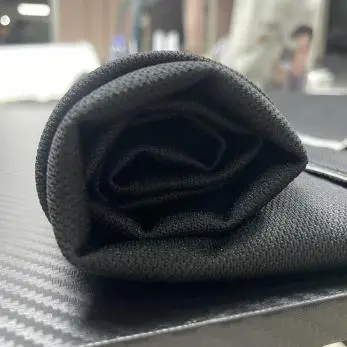
Mesh fabrics, including open-mesh and Three-layer Mesh Fabric, provide airflow and flexibility for athletic shoes. Waterproof composites bond a breathable membrane to an outer fabric so the shoe sheds rain while allowing moisture vapor to escape from inside. Products such as Oxford Fabric Upper show how a classic woven textile can be upgraded with coating or lamination for casual and light-duty outdoor use.

What Performance Features Matter Most in Shoe Fabrics?
The four features that matter most are breathability, durability, water resistance, and flexibility. No single fabric wins in all four, so the right choice depends on the shoe type and its intended use.
| Feature | What It Means | Best Material Examples | Typical Use |
|---|---|---|---|
| Breathability | Allows air and moisture vapor to pass through | Open mesh, knit, canvas | Running, walking, casual |
| Durability | Resists abrasion, tearing, and repeated flexing | Leather, nylon, Oxford | Work boots, hiking, everyday |
| Water resistance | Blocks or slows water penetration | Coated fabrics, laminated composites | Outdoor, rainy-season footwear |
| Flexibility | Bends and recovers without cracking | Knit, mesh, soft PU | Athletic, slip-on, travel |
| Weight | Total material mass per unit area | Mesh, engineered knit | Performance and travel shoes |
| Ease of care | Cleaning and maintenance effort | PU, coated synthetics | Casual, children’s shoes |
Breathability deserves special attention in athletic footwear. A shoe that traps heat makes the foot sweat, and sweat inside a closed shoe is the main cause of blisters and odor. Running shoes therefore use open mesh at the vamp and tongue, where heat builds fastest, and denser materials at the heel counter where structure is needed.
Water resistance is a different problem. A waterproof shoe must block liquid water from outside while still letting moisture vapor escape from inside. This is only possible with a membrane or a coated layer, which is why Waterproof Material for Shoes has become its own category in the supply chain rather than a property of a single fabric.
Flexibility is easy to overlook at the sample stage and hard to ignore after production. A fabric that is too stiff creates discomfort at the flex point of the foot, and a fabric that is too soft fails to hold the shoe’s structure. Knit and mesh constructions usually flex more easily than dense wovens, which is why they appear so often in walking and travel shoes where the foot bends constantly.
Weight matters more in some segments than others. Running and travel footwear compete on grams, and engineered knit uppers have replaced heavier cut-and-sew constructions in many performance lines. In work and safety footwear, weight is secondary to protection, and buyers rarely trade durability for a lighter fabric. Defining the weight target at the specification stage prevents later surprises in both performance and cost.
Color and surface finish also belong in the performance conversation. Dye fastness determines whether a shoe keeps its look after sun exposure and repeated washing. Surface treatments such as embossing, printing, and coating change both appearance and behavior. A printed mesh is not the same product as a plain mesh, even when the base fabric is identical, so buyers should lock down the finish as part of the material specification.
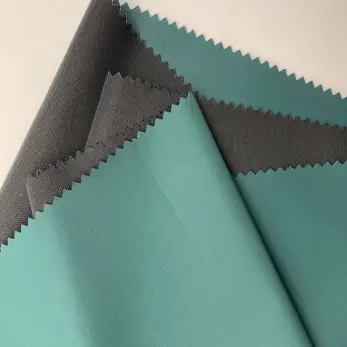
How Do Different Shoe Fabrics Serve Different Applications?
Athletic shoes favor breathable, flexible fabrics. Work and outdoor footwear favor durable, water-resistant materials. Casual shoes sit in between, balancing looks, comfort, and price.
Athletic and sports shoes
Running, training, and court shoes need lightweight uppers that move with the foot and release heat quickly. Engineered knit and open mesh lead this segment. Seamless knitting reduces friction points that cause blisters, and targeted mesh density gives support where it is needed without adding weight. Moisture-wicking linings are standard, and many performance shoes now use a breathable waterproof membrane for all-weather training.
Work, hiking, and outdoor footwear
Durability and protection come first in this segment. Work boots use thick leather or heavily coated synthetic fabrics to resist abrasion, chemicals, and repeated impact. Hiking shoes favor nylon and Oxford fabrics reinforced at the toe and heel, often combined with a waterproof membrane and a moisture-managing lining. The outer fabric in these shoes does not need to breathe like a running shoe, but the overall construction must keep the foot dry over long hours.
Casual and lifestyle shoes
Casual footwear is where appearance matters most. Canvas, PU synthetic leather, and simple woven fabrics cover most of this market. These materials are easy to clean, available in many colors and textures, and inexpensive enough to keep retail prices accessible. Comfort still matters, but the performance bar is lower than in athletic or outdoor segments, which gives designers more freedom with colors, prints, and surface treatments.
What Should Buyers Consider When Sourcing Shoe Fabrics?
Buyers should verify physical performance data, request sample testing, confirm minimum order quantities, and check whether the supplier can handle custom development before committing to a shoe fabric order.
Ask for measurable performance data. A good supplier provides test results for abrasion resistance, tear strength, breathability (air permeability), water column pressure, and color fastness. These numbers let you compare materials from different factories on the same scale instead of relying on marketing descriptions.
Request samples and run your own tests. Sample swatches are not enough. Sew a trial upper, wear-test it in the intended environment, and wash it repeatedly. Many material problems appear only after a few wash cycles, when colors fade, layers delaminate, or the fabric loses its hand feel.
Confirm minimum order quantities and lead times. Shoe fabric is usually supplied in rolls, and minimums vary widely between stock fabrics and custom developments. Custom colors, custom textures, and laminated composites all push minimums up and lead times out. Budget for sampling cycles before production starts.
Check customization capability. If your product needs a specific color, a branded surface texture, or a combination of layers, confirm that the supplier offers Custom Shoes Material Services and has the tooling to match your specification. Suppliers with in-house lamination and coating lines can typically react faster and control quality more reliably than those who outsource every step.
FAQ
What is the difference between shoe fabric and shoe material?
Shoe material is the broader term that covers everything used to build a shoe, including the upper fabric, the lining, the midsole foam, the outsole rubber, laces, and adhesives. Shoe fabric specifically refers to the textile components, mainly the upper and the lining. When buyers talk about shoe material, they usually mean the full material package; when they talk about shoe fabric, they are focused on the textile layers.
Can the same shoe fabric be used for both the upper and the lining?
Technically yes, but in practice the two layers serve different jobs. The upper faces the outside world and needs abrasion resistance and appearance. The lining sits against the foot and needs moisture management and a comfortable feel. Using one fabric for both usually forces a compromise. Most commercial shoes use different fabrics for the upper and the lining, which is why both are purchased separately in the supply chain.
How do I test whether a shoe fabric is truly breathable?
The standard method is an air permeability test, which measures how much air passes through a fixed area of fabric under a defined pressure difference, usually reported in cubic feet per minute or liters per square meter per second. You can also do a simple wear test: wear the finished shoe for a full day in warm conditions and check for visible sweating or moisture buildup at the vamp. For waterproof claims, ask for the water column pressure rating, which tells you how much water pressure the material can hold before leaking.