Shoe fabrics determine how a shoe looks, feels, and performs, yet most buyers only think about them when a pair fails too early, runs too hot, or falls apart at the seams. From the leather boot that lasts a decade to the knit sneaker that weighs almost nothing, the upper, lining, and structural layers are built from materials with very different behaviors. Understanding those differences is not a technical luxury; it is the difference between a product that wins repeat orders and one that comes back with complaints. Sourcing teams can start with the product range of professional Shoes Fabric Manufacturers to see how these materials are organized in practice.
The different types of shoe fabrics fall into three broad families: natural textiles such as leather, canvas, and wool; synthetic textiles such as polyester, nylon, and polyurethane; and engineered composite materials that combine mesh, knit, foam, and waterproof membranes into layered structures. Each family serves a distinct role in the upper, the lining, or the structural support, and most modern shoes use several of these fabrics together rather than a single material.
This guide maps the main fabric families used in footwear production, explains what each material does well and where it fails, and gives practical criteria for matching materials to the shoe you are building, whether it is a performance running shoe, a heavy-duty work boot, or a fashion-forward casual style.
What Are Natural Shoe Fabrics?
Natural shoe fabrics come from animal or plant sources and include leather, canvas, wool, and felt. They are valued for comfort, breathability, and appearance, but they need careful finishing and are rarely used alone in performance footwear.
Natural materials have powered footwear for centuries, and they still hold strong positions in premium, work, and casual categories. Their appeal is tactile: they feel good against the skin, develop character with use, and bring a perceived quality that synthetic materials struggle to match.
Leather
Leather is the most recognizable natural fabric in footwear. Full-grain and top-grain leathers are used in dress shoes, work boots, and premium casual styles because they mold to the foot, resist abrasion, and age well. Corrected-grain and split leathers appear in more affordable lines where cost matters more than surface perfection.
The trade-offs are clear. Leather requires tanning and finishing, adds noticeable weight, and its quality varies from hide to hide. It also needs maintenance: repeated soaking, harsh cleaners, and long exposure to heat can dry it out or distort its shape.
Canvas
Canvas is a plain or twill weave, usually made from cotton, that dominates the classic sneaker and casual segment. It is inexpensive, breathable, easy to print on, and comfortable in warm weather. The weaknesses are equally well known: cotton absorbs water, dries slowly, and loses its structure when soaked repeatedly.
Wool and Felt
Wool and felt appear in cold-weather boots, indoor slippers, and some casual styles where insulation matters. Wool regulates temperature and moisture well, while felt, which is compressed wool or other fibers, offers cushioning and warmth at a low cost. Both are poor choices for wet outdoor use unless they are treated or combined with a protective layer.
The overall lesson for natural fabrics is that they perform best in controlled conditions. When a shoe needs water resistance, structure, or high abrasion resistance, natural materials are usually paired with synthetic layers or protective finishes rather than used on their own.
What Are Synthetic Shoe Fabrics?
Synthetic shoe fabrics are engineered from petroleum-derived polymers such as polyester, nylon, polyurethane, and PVC. They account for the largest share of footwear production because they are light, fast-drying, colorfast, and cheap to manufacture at scale.
Synthetics solved problems that natural materials could not. They give consistent quality across batches, precise control over color and texture, and performance properties that can be tuned during manufacturing. For volume production, they are the backbone of the industry.
Polyester
Polyester is everywhere in athletic and casual uppers. It is light, strong for its weight, fast-drying, and inexpensive. Manufacturers use it in woven, knit, and mesh forms, often blended with other fibers to adjust stretch, softness, or moisture behavior.
Nylon
Nylon adds strength and abrasion resistance. It is a favorite for hiking, work, and outdoor products where the upper must survive rocks, brush, and repeated flexing. Nylon also holds dye well and can be engineered into ripstop weaves that stop small tears from spreading.
Polyurethane and Synthetic Leather
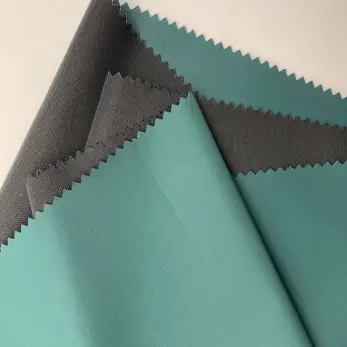
Polyurethane (PU) and PVC form the base of synthetic leather. These materials deliver a leather-like look at a lower cost, with easier care, lighter weight, and more consistent color across batches. PU synthetic leather is common in fashion, children’s, and affordable casual shoes; PVC versions appear where cost is the dominant factor.
The main weakness of synthetics shows up when they are used without design thought. Dense polyester and nylon weaves trap heat and moisture, which leaves the foot sweaty and creates odor problems. Manufacturers address this with mesh panels, breathable linings, and moisture-wicking finishes rather than abandoning synthetics altogether.
What Are Engineered Composite Shoe Fabrics?
Engineered composite shoe fabrics combine two or more materials into a single layered structure, usually a face fabric, a functional membrane or foam, and a backing textile. They are the standard solution for shoes that need conflicting properties at the same time, such as breathability and waterproofing.
No single textile can be breathable, waterproof, flexible, and durable all at once. Composites solve this by giving each layer one job. The face fabric handles appearance and abrasion; the middle layer controls water, moisture, or cushioning; the backing textile manages comfort against the skin.
Mesh
Mesh is an open-structure textile, typically knit or woven with visible holes, designed for airflow. It appears in running, training, and warm-weather shoes where heat management matters most. Mesh can be engineered in different densities, and multi-layer versions, such as a Three-layer Mesh Fabric, combine airflow with structure and moisture control in one material.
Engineered Knit
Engineered knit is a seamless, computer-programmed textile that can stretch where the foot bends and lock down where support is needed. It reduces waste because the upper is knitted close to its final shape, and it gives a sock-like fit that many consumers prefer. Knit uppers are light and flexible, but they usually need additional structure at the heel and toe.
Laminated Composites
Laminated composites bond a face fabric to a membrane or foam and a backing layer. A typical construction pairs an outer mesh with a waterproof membrane and an inner tricot for comfort. This is the construction behind most waterproof athletic and outdoor shoes. The outer fabric takes the abuse, the membrane blocks water, and the lining manages moisture on the inside.
Oxford Weaves
Oxford is a durable, basket-weave fabric, usually nylon or polyester, that offers high abrasion resistance and a structured hand. It is common in work, hiking, and outdoor uppers where the shoe must hold its shape under heavy use. An Oxford Fabric Upper is a frequent choice for boots and industrial styles that need both strength and a professional appearance.

What Functional Layers Sit Inside the Upper?
Beyond the outer fabric, functional layers control moisture, cushioning, and waterproofing. Membranes block liquid water while letting vapor escape, foams absorb impact and add structure, and linings manage comfort directly against the foot.
The outer fabric gets most of the attention, but the inside of the upper decides how a shoe actually feels in daily use. A shoe can look right and still fail if the inner layers trap sweat, irritate the skin, or let water through.
Waterproof Membranes
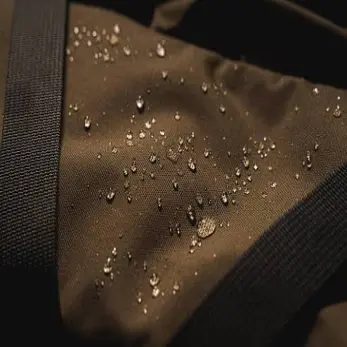
Waterproofing usually comes from a thin polymer membrane placed between the outer fabric and the lining. PTFE membranes offer high breathability and strong waterproofing. PU membranes deliver reliable performance at a lower cost. TPU membranes add durability and flexibility. Each of these behaves slightly differently in water column pressure rating and moisture vapor transmission rate, and both numbers should come from test reports rather than sales sheets.
For outdoor and work shoes, a Waterproof Fabric Upper built around a membrane is the standard way to keep feet dry without turning the shoe into a sauna. The category is broad enough that suppliers organize these options under dedicated Shoes Membrane product lines, and the choice among them depends on the shoe’s price point, the waterproof rating required, and how much breathability the end user needs.
Linings
The lining sits directly against the foot or sock and manages moisture and friction. Common lining materials include tricot, mesh, brushed polyester, and leather in premium lines. A good lining wicks sweat away from the skin, dries quickly, and resists wear at the heel and toe. Buyers sourcing uppers should check the lining specification just as carefully as the face fabric, because a poor lining can ruin an otherwise good shoe. Suppliers that focus on Shoes Lining Material can usually provide test data on moisture absorption, abrasion, and shrinkage that makes the comparison concrete.
Foams and Structural Layers
Foams add cushioning and hold the upper’s shape. EVA and polyurethane foams are common in collars, tongues, and heel counters. In laminated constructions, foam is bonded between the face fabric and the backing to create a padded, structured textile that feels substantial without adding heavy weight.
How Do Shoe Fabrics Compare by Performance?
Each shoe fabric family trades one property for another. High breathability usually comes with lower water resistance, and high durability usually comes with higher weight, so the best material depends on the shoe’s purpose, price point, and use conditions.
The table below summarizes how the main fabrics behave across the properties buyers care about most.
| Fabric | Weight | Breathability | Durability | Water Resistance | Typical Cost | Common Uses |
|---|---|---|---|---|---|---|
| Leather | High | Low-Medium | High | Medium-High | High | Dress, work boots, premium |
| Canvas (cotton) | Medium | High | Medium | Low | Low | Sneakers, casual |
| Wool / felt | Medium | Medium | Medium | Low | Medium | Cold-weather, slippers |
| Polyester | Low | Medium | Medium | Low | Low | Athletic uppers, linings |
| Nylon | Low | Medium | High | Medium | Low-Medium | Hiking, work, outdoor |
| PU synthetic leather | Medium | Low | Medium | High | Medium | Fashion, children, casual |
| Mesh | Very Low | Very High | Medium | Low | Low | Running, performance |
| Engineered knit | Low | High | Medium-High | Low-Medium | Medium | Athletic, lifestyle |
| Oxford weave | Medium | Medium | High | Medium | Medium | Work, hiking, outdoor |
| Laminated composite | Medium | Variable | High | High | Medium-High | Waterproof shoes, outdoor |
How Shoe Fabrics Trade Off Against Each Other
Reading the table as a checklist is tempting, but the real insight is simpler: every material forces a compromise. A running shoe needs the lightest, most breathable construction possible. A work boot needs durability and protection even if it means more weight. A fashion shoe needs appearance and low cost above all. The job of the designer is not to find the best fabric in the abstract but to find the fabric that matches the shoe’s specific job.
How Shoe Fabrics Behave in Different Climate Conditions
Climate adds another layer to the decision. In hot, humid markets, breathability and moisture management come first, which pushes designers toward mesh, engineered knit, and moisture-wicking linings. In cold or rainy markets, water resistance and insulation matter more, which favors laminated composites, membranes, and treated natural materials. A shoe that sells well in one region can fail in another if the fabric choice ignores local conditions. Buyers working across multiple markets should ask suppliers for performance data at different temperatures and humidity levels, not just a single lab result.
How Should You Choose the Right Shoe Fabrics?
Choosing the right shoe fabrics starts with the shoe type and its use conditions, then moves to cost, performance data, and supplier capability. Define the requirements before comparing materials, and verify claims with physical test data.
A systematic selection process protects you from both over-engineering and under-specifying. The steps below work for any footwear category.
1. Define the Use Case
Start with where and how the shoe will be worn. Athletic and performance shoes favor breathable knits and mesh. Work and hiking shoes favor durable nylons, Oxford weaves, and waterproof composites. Casual and fashion shoes lean on canvas, PU, and simple wovens. Write down the required weight, construction, colorfastness, and performance targets before contacting any supplier.
2. Map Materials to the Upper Structure
A shoe upper has distinct zones, each with different demands. The face fabric handles appearance and abrasion. The lining manages moisture and comfort. The middle layer controls waterproofing or cushioning. Suppliers that organize products by Shoes Upper Material make it easier to compare options within each zone and to see how materials behave when they are combined.
3. Verify with Test Data
Ask for physical test reports on abrasion, tear strength, breathability, and water resistance. Then request sample rolls and run your own trials, including sewing a test upper and washing it several times. Many material problems only appear after washing, when colors shift or laminated layers start to separate.
4. Confirm Supply and Customization
Check minimum order quantities, lead times, and customization capability. Custom colors, custom textures, and special laminations push minimums up and lead times out. If the product needs a unique color or a specific layer combination, the supplier needs the tooling and production lines to match it.
5. Plan for Sustainability
Sustainability is moving from a marketing angle to a sourcing requirement. Recycled polyester now appears in athletic and casual uppers at scale, and bio-based materials are entering the market. Recycled fibers can vary more than virgin fibers in color and consistency, and certification adds paperwork, so start the conversation early and ask for documented material content and test data. Buyers ready to make the switch can evaluate Sustainable Material for Shoes options from specialized suppliers who match conventional performance specifications.
Why Does Fabric Choice Matter for Footwear Brands?
Fabric choice directly controls cost, comfort, durability, and brand reputation. A shoe built from the wrong fabric can feel hot, stiff, or flimsy even when the sole and last are well designed, and the resulting returns and complaints are far more expensive than the material saved.
For brands, the fabric decision is a business decision. Material typically represents a significant share of a shoe’s cost, and it determines how the product performs in the field. A running shoe with a breathable upper and a waterproof membrane can serve two seasons of training. A work boot with a weak upper can fail in weeks and damage the brand’s reputation with a professional buyer who expects years of service.
The market reflects this reality. Professional Shoe Fabrics Manufacturers now offer structured product ranges that combine face fabrics, membranes, foams, and linings into tested combinations, which shortens development time for brands that do not have deep material R&D in-house. For custom projects, suppliers with Custom Shoes Material Services can develop a unique color, texture, or layer structure and bring it to production scale. Working with an experienced Shoes Material Manufacturer that does lamination and coating in-house keeps the whole development chain under one roof and reduces the risk of miscommunication between suppliers.
FAQ
Which shoe fabric is the most durable?
Nylon, leather, and Oxford weaves are generally the most durable shoe fabrics. Nylon resists abrasion and tearing for its weight, leather holds up for years when maintained, and Oxford weaves add structure and strength in work and outdoor uppers. Durability also depends on construction: a well-laminated composite can outlast a heavier fabric that is poorly sewn or coated.
Can one fabric work for the whole shoe upper?
A simple shoe can be made from a single fabric, and many casual styles are. Canvas sneakers and some knit shoes use one material for most of the upper. But as performance demands rise, the upper splits into layers: an outer face for appearance and abrasion, a middle layer for waterproofing or cushioning, and a lining for moisture management. Multi-layer construction is the standard in athletic, work, and outdoor footwear.
How can I test shoe fabric quality before ordering in bulk?
Start with physical test reports for abrasion, tear strength, breathability, and water resistance. Then request sample rolls and run practical trials: sew a test upper, flex it repeatedly, wash it several times, and check for color shift, shrinkage, and layer separation. Test data tells you what the material claims to do; your own trials tell you whether it survives real production and real use.