Fabric shoes are the workhorse of most wardrobes. They are light, breathable, and easy to style, which is why mesh runners, canvas sneakers, and knit trainers outsell leather alternatives in most markets. The same qualities that make them comfortable also make them hard to keep clean. Dirt settles into the weave, sweat leaves marks around the collar, and water creates tide lines that ordinary wiping cannot remove. Many people either scrub too hard and ruin the texture or give up and replace the shoes long before the sole wears out.
You can clean fabric shoes safely by following the care label, brushing off loose dirt first, using a mild detergent in cold or lukewarm water, and letting them air dry away from direct heat. The cleaning method should match the fabric type: mesh and knit uppers tolerate gentle machine washing, while canvas, Oxford, and waterproof laminated uppers need hand washing or spot cleaning to avoid damage. Never use bleach, hot water, or a dryer on fabric shoes, because these break down fibers, loosen adhesives, and distort the shape.
The rest of this guide walks through the full process, from the tools you need to stain removal, drying, and protection, so you can extend the life of every pair.
Why Fabric Shoes Need Different Care Than Leather
Fabric uppers absorb moisture and hold onto dirt differently from leather, so the same cleaning habits that work on leather can permanently damage woven or knit materials.
Leather is a dense, non-porous surface where most stains stay on the outside. Fabric is the opposite. The fibers of mesh, canvas, and knit create tiny gaps where particles lodge themselves, and once a stain works into the yarn, surface wiping will not reach it. Aggressive scrubbing forces dirt deeper and frays the yarn ends, leaving a fuzzy, faded patch.
The construction adds another layer of risk. Fabric shoes are often bonded or laminated, with the upper attached to the sole by adhesives that soften in heat. Hot water, dryers, and radiators attack those bonds, which is why the sole can start peeling after one bad drying session. If you know the material you are working with, you can avoid the mistakes that cause most avoidable damage. Suppliers who specialize in Shoes Upper Material can usually tell you whether a style is a simple single-layer weave or a laminated composite, because the answer changes the safe cleaning method.
What You Need Before You Start Cleaning
Gather a soft brush, mild detergent, a microfiber cloth, clean water, and a towel before you touch the shoes, because the right tools matter more than the technique.
Most cleaning failures come from improvising with the wrong supplies. A toothbrush can work for seams, but a stiff nail brush will shred mesh. Dish soap is fine in small amounts, but laundry bleach is never safe. Having the correct kit ready also lets you treat stains while they are fresh, which is the single biggest factor in whether they come out.
- Soft-bristled brush or old toothbrush for surface dirt and seams
- Mild liquid detergent, preferably pH-neutral and free of bleach
- Microfiber cloths or a clean white towel for blotting
- A bowl of cold or lukewarm water
- White vinegar or baking soda for odors and stubborn spots
- Shoe trees or crumpled paper to hold the shape while drying
One more thing worth checking is the material itself. A pair made from Breathable Material for Shoes usually cleans differently from a waterproof style, so read the care label before choosing between spot cleaning and a full wash.
How to Clean Fabric Shoes: Step by Step
Work in this order: dry brush, spot treat, wash, rinse, and dry. Skipping the dry brushing stage is the most common mistake, because wet dirt turns into mud that stains even deeper.
Step 1: Remove the laces and insoles
Take out the laces and any removable insole before washing. Laces tangle and stretch in the wash, and insoles need their own airing. Wash the laces by hand or in a small laundry bag, and let the insoles dry separately so they do not trap moisture inside the shoe.
Step 2: Brush off loose dirt
Tap the soles together and brush the whole upper with a soft brush, working from the heel to the toe. Remove as much dry dust and grit as possible. This step prevents the wash from turning loose particles into ground-in stains and protects the fibers from abrasion during scrubbing.
Step 3: Spot treat visible stains
Mix a few drops of mild detergent with water and apply it to stained areas with a soft cloth or brush. Work in small circles, then blot with a damp cloth. For oil or grease marks, a small amount of dish soap works better than laundry detergent. Let the solution sit for a few minutes, but do not let it dry on the fabric.
Step 4: Wash according to the fabric
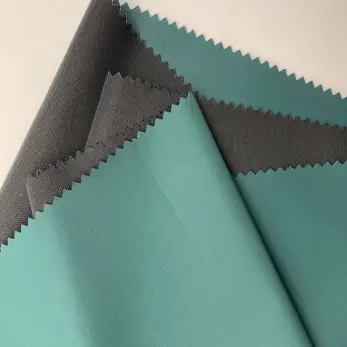
For mesh and knit styles that are not waterproof, a gentle machine cycle on cold with a small amount of detergent is acceptable, as long as the shoes go into a mesh laundry bag. For canvas, Oxford, and laminated waterproof styles, hand washing is safer: dip the brush in soapy water, scrub gently, and rinse with a clean damp cloth. Waterproof styles should never go in the washer, because the agitation can delaminate the membrane layers. If you own a pair with Oxford Fabric Upper construction, treat it as hand-wash only.
Step 5: Rinse thoroughly
Leftover detergent attracts dirt and leaves white residue on dark fabrics. Rinse with a clean, damp cloth until the soap is gone, then squeeze the shoes gently. Do not wring or twist them, because that distorts the shape and strains the seams.
Step 6: Dry slowly and naturally
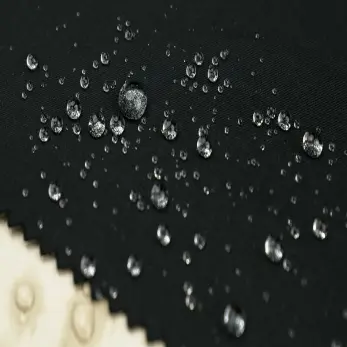
Stuff each shoe with crumpled paper or a shoe tree, and air dry in a shaded, ventilated spot. Replace the paper once it becomes damp. Never use a dryer, heater, or direct sunlight, since heat causes shrinkage, yellowing, and adhesive failure. For waterproof models, slow drying is especially important to protect the membrane, which is why Waterproof Material for Shoes styles perform best with air drying at room temperature.
How to Remove Common Stains From Fabric Shoes
Match the stain remover to the stain type, and always test on a hidden area first, because some treatments can fade or discolor the fabric.
| Stain type | Best treatment | Notes |
|---|---|---|
| Mud and dirt | Dry brush, then wash | Let mud dry completely before brushing |
| Sweat and salt marks | Vinegar and water 1:1 | Apply, blot, rinse; works well on collar stains |
| Oil and grease | Dish soap directly on spot | Let sit 5 minutes, then rinse |
| Ink | Rubbing alcohol on a cotton swab | Blot, do not rub; test colorfastness first |
| Coffee or tea | Cold water rinse, then mild detergent | Treat while fresh for best results |
| Grass | Detergent paste, gentle scrub | May need repeated treatments |
A few general rules apply to all of them. Blot instead of rubbing, because rubbing spreads the stain and damages fibers. Work from the outside edge of the stain toward the center. And be patient: most stains need two or three rounds, not one aggressive scrub. If a stain has set into a Three-layer Mesh Fabric upper, soak the area briefly in cool soapy water before attempting removal, because the open structure lets liquid reach deeper layers.
How to Dry and Deodorize Fabric Shoes
Air drying is the only safe drying method, and simple household items like baking soda and vinegar handle most odor problems without damaging the fabric.
Odors in fabric shoes come from bacteria feeding on sweat trapped in the fibers. Washing removes the sweat, but smells can return quickly if the shoe stays damp. After cleaning, make sure the inside is fully dry before wearing again. Rotating between two pairs helps, because shoes need a full day to dry out between uses.
For persistent smells, sprinkle baking soda inside the shoe, leave it overnight, and shake it out the next morning. A light vinegar spray on the lining can neutralize odors as well, but let it dry completely. These methods are gentler on the inner layers than antibacterial sprays, which can leave residues that irritate skin. The lining matters here, because Shoes Lining Material often traps odor more than the outer fabric, so treat the inside as part of the cleaning routine.
How to Protect Fabric Shoes After Cleaning
After the shoes are clean and dry, apply a fabric protector or water-repellent spray to slow down future staining and make the next clean easier.
Fabric protectors work by coating the yarns with a thin water-repellent layer, so liquids bead up instead of soaking in. Spray evenly from about 20 cm away, in a well-ventilated area, and let the shoes dry fully before wearing. Reapply every few weeks or after every wash, because cleaning removes the previous layer.
Protection is not a substitute for care. Even with a good coating, wet shoes should be dried promptly, and muddy shoes should be brushed before the mud bakes in. For waterproof styles, periodic reproofing is part of maintenance, and knowing whether the upper is a coated fabric or a full membrane construction helps you choose the right product. A Waterproof Fabric Upper needs the same gentle washing routine as other fabrics, but it tolerates water better once properly treated.
Small habits reduce the need for deep cleaning in the first place. Knock the shoes together before storing them, keep them out of direct sun when not in use, and give wet pairs time to dry instead of wearing them the next morning. Each of these takes seconds but prevents the dirt and moisture buildup that makes fabric shoes hard to clean later.
When to Replace Instead of Clean
Some shoes are beyond saving: if the sole separates from the upper, the fabric is torn, or the shape has collapsed, cleaning will not restore them.
Cleaning extends the life of a well-made shoe, but it cannot fix structural failure. Check the sole edge, the heel counter, and the toe box. If the midsole is compressed flat or cracked, the shoe has lost its cushioning and should be retired, regardless of how the fabric looks. Similarly, if the upper has a tear near the flex point, further washing will only enlarge it.
This is also the point where buyers and retailers see the value of starting with quality materials. A Durable Material for Shoes upper survives more cleaning cycles and looks acceptable for longer, which matters both for consumer satisfaction and for return rates. When you are sourcing a new style, ask the supplier how the material behaves after repeated washing; the answer tells you a lot about its real-world durability.
For businesses that sell or source fabric footwear, sharing proper cleaning guidance with customers reduces returns and complaints. A short care card or product page note can prevent the common problems that bring shoes back: shrunk uppers, peeled soles, and faded colors. Cleaning is not just a consumer skill; it is part of the product experience that starts with the material choice.
FAQ
Can I put fabric shoes in the washing machine?
Yes, for mesh and knit styles that are not waterproof. Use cold water, a gentle cycle, and a mesh laundry bag, and never put them in the dryer. Canvas, Oxford, and laminated waterproof shoes should be cleaned by hand instead.
Does baking soda whiten fabric shoes?
Baking soda helps lift surface dirt and absorb odors, but it is not a bleach. For whitening, make a paste of baking soda and water, apply it to the sole and fabric, let it sit briefly, then brush and rinse. Stubborn yellowing on white fabric may require a mild oxygen-based cleaner.
How often should I clean fabric shoes?
Clean them when they look dirty or smell, rather than on a fixed schedule. Frequent washing shortens the life of any fabric upper, so daily brushing and prompt stain treatment reduce the number of full washes you need. For daily wear, one deep clean every four to six weeks is usually enough.