Shoe brands and sourcing teams face a crowded list of materials when they start a new style. The fabric on the upper decides how the shoe looks, how it feels on the foot, and how much it costs to build. Mesh, Oxford, canvas, knit, waterproof laminates: each one promises something different, and the marketing language around them rarely makes the comparison easier. What works for a running shoe can fail completely on a work boot, so the choice has to start with the product, not with the trend.
The best fabric for shoes depends entirely on the shoe’s intended use. For athletic and casual footwear, engineered mesh is the most balanced option because it delivers breathability, low weight, and fast drying in one package. For formal and work styles, Oxford and other tightly woven fabrics offer a cleaner surface and better abrasion resistance. For outdoor and wet conditions, a waterproof fabric upper combined with a breathable membrane is the right answer. There is no single winner across all categories; the best fabric for shoes is the one that matches the performance needs, climate, and target price of each product line.
In the sections below, we compare the main shoe fabric families, explain how lining and membrane layers change performance, and lay out a practical sourcing process you can apply to your next collection.
Why the Fabric Choice Matters in Manufacturing
The upper fabric is the largest visible surface of a shoe, and it controls most of what the wearer feels: temperature, moisture, flexibility, and long-term appearance.
A shoe is built from several layers, but the upper does the heavy lifting in terms of brand perception. A wrinkled, discolored upper makes the whole shoe look cheap, no matter how good the sole is. Conversely, a well-chosen fabric can carry a simple construction to a premium feel.
Functionally, the upper fabric sets the baseline for breathability and water resistance. Those properties are then modified by lining and membrane layers, but you cannot fully compensate for a poor outer fabric with add-ons. If the face fabric traps heat, a so-called breathable lining will do little to save it.
There is also a production angle. Fabrics behave differently under cutting, stitching, and lamination. Stretch, fraying, and thickness variation all affect yield rates and defect levels on the line. A fabric that looks great in a hand sample can create headaches when it runs at scale. This is why experienced buyers evaluate Breathable Material for Shoes options with both wear performance and manufacturing behavior in mind.
The Main Types of Shoe Fabrics Compared
Shoe fabrics fall into a few clear families, and each family has defined strengths and trade-offs that rarely overlap.
Mesh and engineered knits
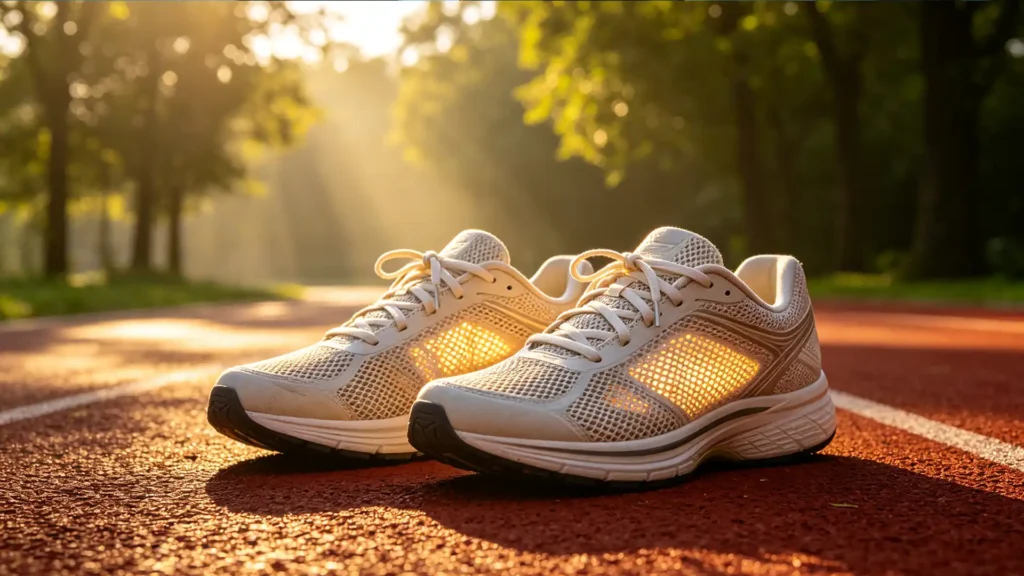
Mesh fabrics are open weaves or knits designed to let air and moisture pass through. They are light, flexible, and quick to dry, which makes them the default for running shoes, training shoes, and most athleisure styles. Modern engineered mesh goes further: different zones of the same knit can have different density, stretch, and support, so one piece of fabric can do the work that used to take several panels.
The trade-off is structure. Open mesh offers less protection against abrasion and less warmth in cold weather, and thin meshes can show wear quickly if they rub against rough surfaces. For brands that need a more robust feel, options like Three-layer Mesh Fabric bond mesh with foam or membrane layers to add stability and weather resistance while keeping the breathable character.

Woven fabrics: Oxford, canvas, and twill
Woven fabrics are made by interlacing yarns at right angles, which gives them a firmer hand and a cleaner, more structured appearance than knits. Oxford is the most common woven in casual and dress shoe uppers because it holds its shape, resists scuffing, and takes dye and printing well. Canvas offers a similar look with a softer texture and lower cost, though it is less resistant to moisture.
Wovens are heavier than mesh and generally less stretchy, which can be a benefit for lace-up styles that need a stable fit. Their tighter weave also blocks more wind and dirt. The main downside is breathability: tightly woven yarns reduce airflow, so shoes made entirely from wovens can feel warm in summer wear. For buyers building a classic casual line, Oxford Fabric Upper material is a dependable starting point.
Waterproof fabrics and laminated composites
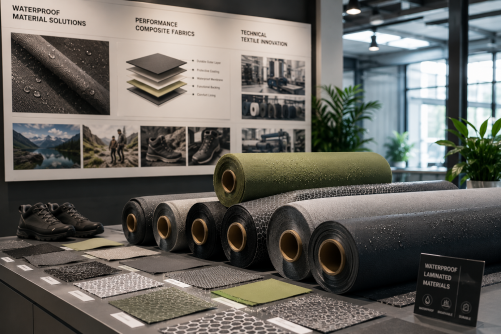
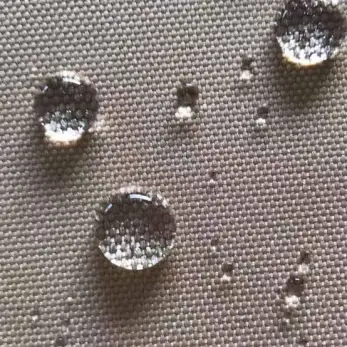
Waterproof uppers are usually face fabrics laminated to a membrane layer, such as PTFE, PU, or TPU film. The membrane blocks liquid water from the outside while allowing water vapor to escape from inside, which is the mechanism behind most modern waterproof footwear. These constructions are standard for hiking boots, outdoor shoes, and winter footwear.
The cost is higher and the breathability ceiling is lower than an open mesh, even with good membranes. Yet for wet climates the trade-off is easy to justify. Brands that want to explain the difference to retail buyers can point to Waterproof Material for Shoes as a category that solves a specific consumer problem: dry feet in rain, mud, and snow.
| Fabric family | Breathability | Durability | Weight | Water resistance | Best suited for |
|---|---|---|---|---|---|
| Mesh / engineered knit | High | Medium | Low | Low to medium | Running, training, athleisure |
| Oxford / canvas / twill | Medium | High | Medium | Low | Casual, dress, work styles |
| Waterproof laminate | Medium | High | Medium to high | High | Hiking, outdoor, winter |
| Synthetic leather | Low | High | Medium to high | Medium | Fashion, work, children’s shoes |
| Knit with membrane | Medium to high | Medium | Low to medium | Medium | All-weather casual, travel |
What to Look For When Choosing a Fabric for Shoes
Evaluate a shoe fabric on breathability, durability, water resistance, weight, stretch, and processing behavior, and rank those criteria according to the shoe category you are building.
There is no universal checklist, but the following six criteria cover almost every sourcing decision:
- Breathability. Measure air permeability and moisture vapor transmission, not just the sales description. Two fabrics can both be called breathable and perform very differently.
- Abrasion resistance. Check Martindale or Taber test results for the specific use case. A hiking upper needs far more abrasion resistance than a gym trainer.
- Water resistance. Decide whether you need a DWR coating, a full membrane, or nothing at all. This single decision drives most of the cost.
- Weight. Lighter uppers reduce shipping cost and improve perceived comfort, but very light fabrics often sacrifice durability.
- Stretch and recovery. Knits stretch naturally; wovens barely do. Choose based on the last shape and the closure system of the shoe.
- Processing behavior. Confirm how the fabric cuts, sews, laminates, and bonds before committing to a large order. Test with the same adhesives and machines your factory will use.
For most consumer segments, the first three criteria carry the most weight. That is why suppliers who specialize in Shoes Upper Material usually present test data up front, because the performance numbers matter more than the pattern or the color when a brand is committing to a production run.
How Lining and Membrane Layers Work With the Upper
The upper is only one part of the system. Lining materials and waterproof membranes determine how moisture moves inside the shoe and how long the shoe stays comfortable.
Lining fabrics
The lining sits between the upper and the foot. It manages moisture at the skin level, protects the upper from sweat and friction, and contributes to the first feel when the foot slides in. Common linings include mesh, brushed tricot, and moisture-wicking knits, sometimes with antimicrobial treatment.
A breathable upper with a non-breathable lining defeats the purpose of the upper. The lining is the layer closest to the foot, so its moisture properties dominate the in-shoe climate. When you select a lining, match its permeability to the upper rather than treating it as an afterthought. The full material package, including Shoes Lining Material, should be engineered as one system.
Waterproof membranes
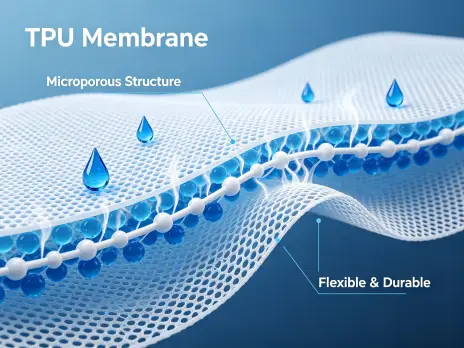
A membrane is a thin film that blocks liquid water but allows water vapor to pass. PTFE membranes are known for high breathability, PU and TPU films are more common in budget and mid-range products, and each type has different lamination requirements and flex durability.
Membranes change the hand feel of a fabric and add stiffness, so they are usually laminated between the face fabric and the lining in a three-layer construction. The choice of Shoes Membrane affects not only weather performance but also flexibility and durability during flexing at the toe and heel, which are the first places a membrane can fail.
Sustainability and Cost Considerations
Sustainable shoe fabrics are no longer a niche request; they now shape both sourcing costs and how brands are perceived by retail buyers and end consumers.
Recycled polyester mesh, organic cotton canvas, and water-based lamination are the most common entry points. They carry a modest price premium over conventional equivalents, but the gap has narrowed as recycled yarn supply has grown. Buyers should verify claims through certificates and third-party testing rather than relying on supplier marketing, because the term sustainable is used loosely across the industry.
Cost is rarely a single number. A cheaper fabric that laminates poorly, frays on the line, or fails wear tests ends up costing more than a slightly pricier material that runs clean. Factor in yield, scrap, and rework rates when comparing quotes. For brands that want to communicate an eco-friendly story without sacrificing performance, the growing range of Sustainable Material for Shoes options makes the trade-off easier than it was five years ago.
How to Choose the Best Fabric for Shoes for Your Product Line
Match the fabric to the shoe category, the target climate, and the price point, then validate with samples and wear tests before committing to bulk production.
A simple decision matrix can shorten the process:
| Shoe category | Recommended fabric direction | Priority criteria |
|---|---|---|
| Running and training | Engineered mesh, knit | Breathability, weight, flexibility |
| Hiking and outdoor | Waterproof laminate, heavy mesh | Water resistance, abrasion resistance |
| Casual and everyday | Oxford, canvas, light knit | Appearance, cost, easy care |
| Work and safety | Durable woven, synthetic leather | Abrasion resistance, structure |
| Children’s shoes | Washable knit, easy-clean woven | Breathability, cleanability |
After narrowing the direction, order physical samples and run three checks: a wear test with real users, a wash and abrasion test in a lab, and a production trial in the factory. The production trial is the step most brands skip, and it is the step that catches most problems, from stitch puckering to lamination bubbles.
If your team lacks the in-house experience to shortlist materials, working with a supplier that offers Custom Shoes Material Services can compress the timeline, because they already know which constructions perform on common lasts and production lines. A competent Shoes Fabric Manufacturers partner should be able to recommend two or three options per brief, not twenty.
FAQ
Is mesh or leather better for shoes?
Mesh wins on breathability, weight, and flexibility, which is why it dominates athletic footwear. Leather wins on structure, water resistance, and formal appearance. The right choice depends on the use case: leather for dress and work shoes, mesh for sports and warm-weather casual styles. Some brands blend both, using leather for reinforcement panels and mesh for ventilation.
Can a shoe be both breathable and waterproof?
Yes, within limits. Waterproof membranes block liquid water while allowing water vapor to escape, so a laminated shoe can be water-resistant and reasonably breathable at the same time. The breathability ceiling is lower than an open mesh, so for intense activity in hot weather you may still feel dampness. For rain, snow, and cold conditions, the trade-off is usually worth it.
How long do fabric upper shoes last?
With normal use, a quality fabric upper lasts between one and three years depending on the fabric type, the activity, and the care routine. Mesh uppers wear fastest under heavy abrasion, while Oxford and other dense wovens hold up longer. Proper drying after wet use and occasional cleaning extend the life of any fabric upper considerably.