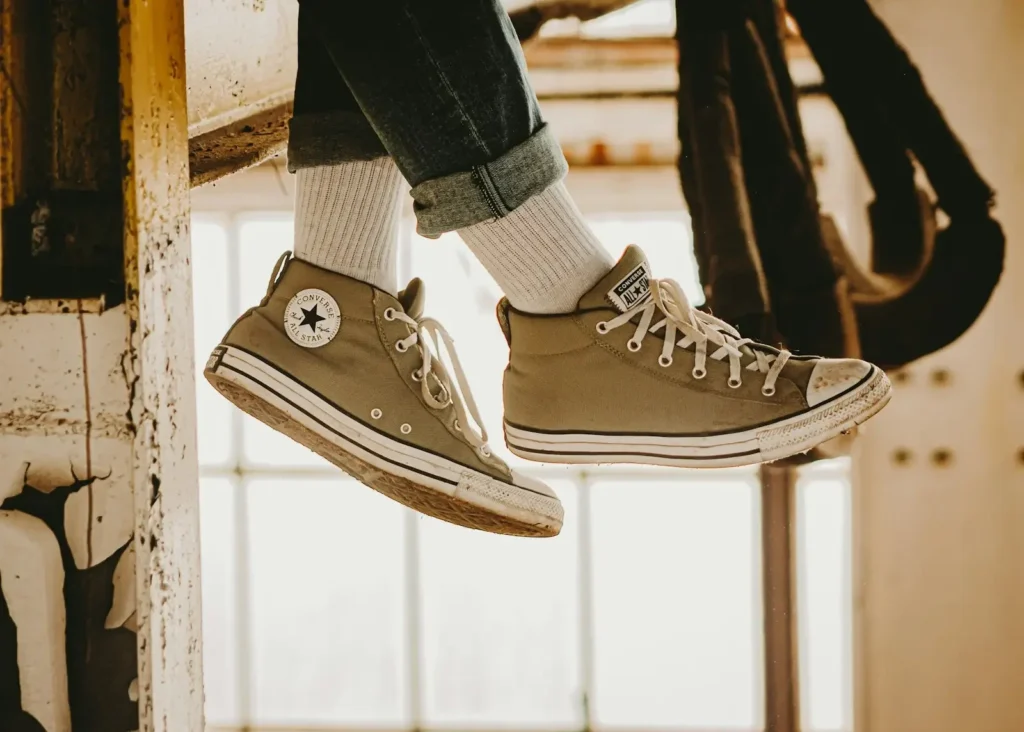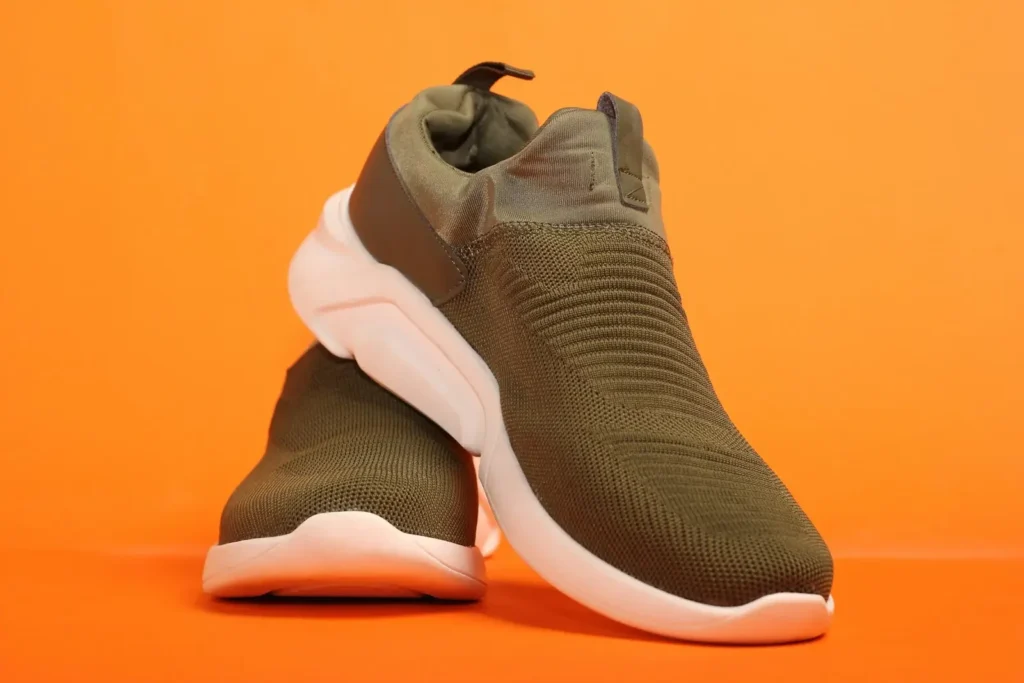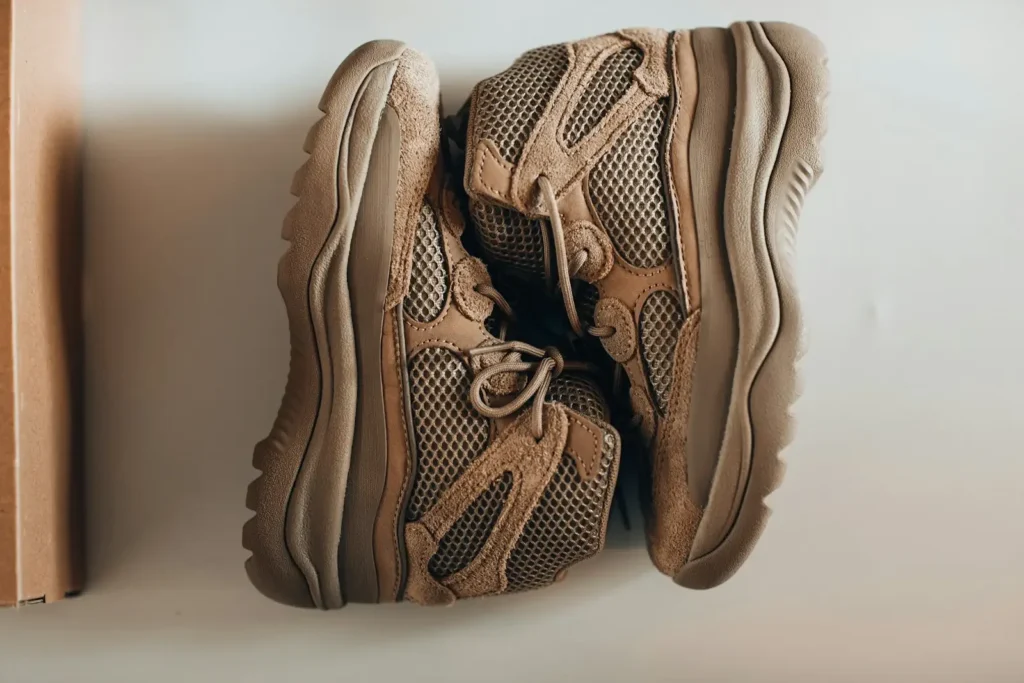
In a footwear market where consumers keep a close eye on cost per wear and buyers judge brands by how well their products survive daily abuse, material durability has become a commercial issue, not just a technical one. Failed stitching, flattened midsoles, worn-out outsoles, and cracked uppers drive returns, warranty claims, and negative reviews, all of which erode margins and brand equity. For footwear brands, sourcing teams, and manufacturers, the question of what counts as durable material for shoes is therefore one of the most consequential decisions in the entire product development cycle.
There is no single most durable material for shoes, because durability is component-specific. Rubber is the most durable material for outsoles thanks to its abrasion resistance, full-grain leather and high-tenacity coated fabrics last longest in uppers, and polyurethane (PU) outperforms EVA foam in midsole longevity. In practical terms, a durable shoe material is one that resists abrasion, tearing, repeated flexing, moisture, and UV exposure while keeping its structure and performance over thousands of wear cycles.
The sections below break down what durability actually means in footwear, the most common material families, how the best option changes by shoe component, and what B2B buyers should verify during sourcing.
What Makes a Shoe Material Durable? Key Features Explained
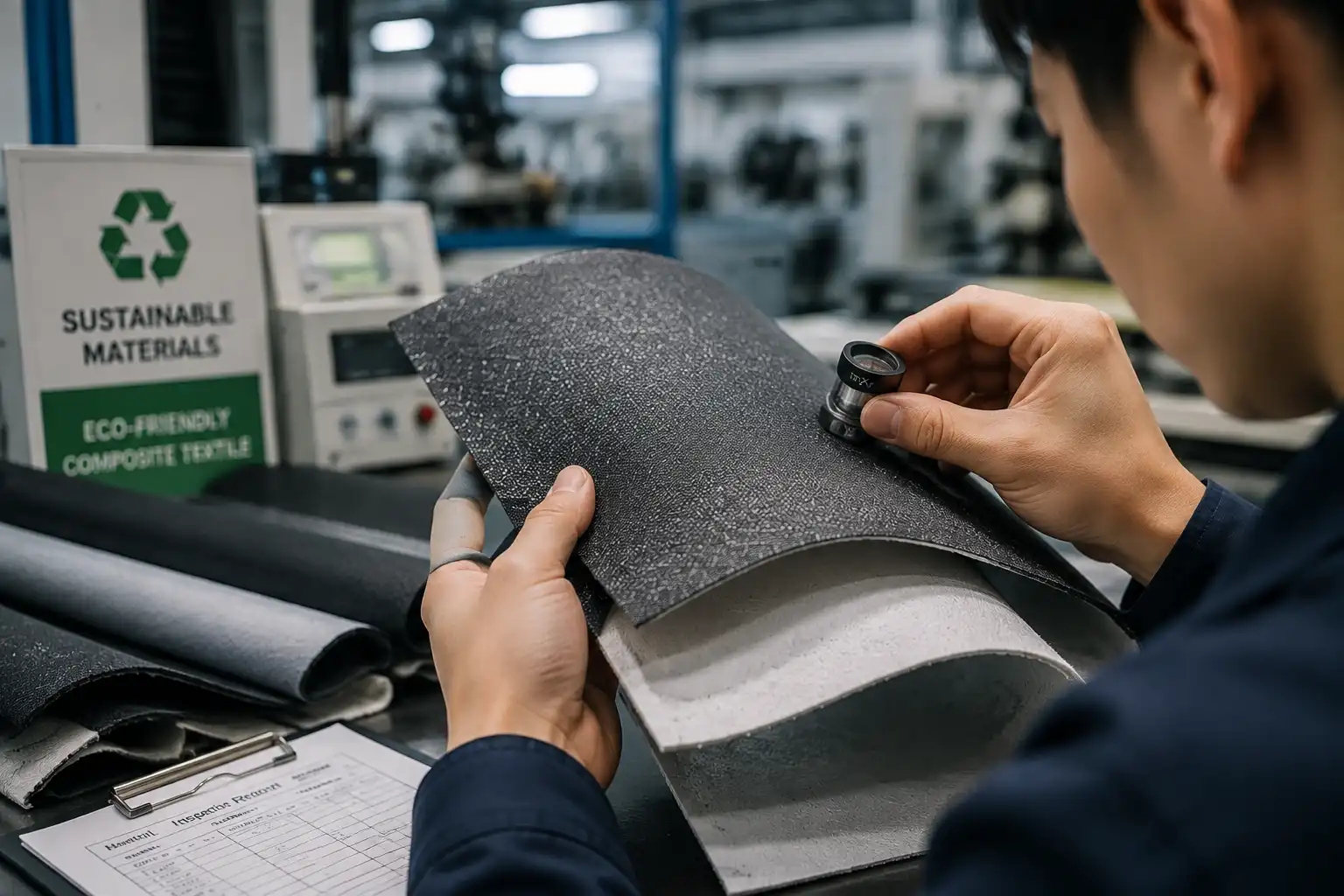
Durability in footwear comes down to five measurable properties: abrasion resistance, tear and tensile strength, flex resistance, environmental resistance, and colorfastness. A shoe material rarely fails all at once; instead, the weakest of these properties determines how and when the product wears out, so durability engineering is really about matching each property to the stress the component will face.
Abrasion resistance is the most visible of these properties. Outsoles are dragged across concrete, gravel, and tile thousands of times, while uppers scuff against curbs, tools, and other shoes. For textiles, abrasion resistance is typically measured in Martindale cycles, and for rubber compounds in rotary drum tests, giving sourcing teams comparable numbers rather than marketing claims. Independent footwear testing bodies such as SATRA Technology publish standardized methods for these evaluations, which is why certified test data carries far more weight than a supplier’s internal claims.
Tear and tensile strength matter most in uppers and linings, where woven density, yarn denier, and coating adhesion decide whether a fabric survives snagging or sudden loads. Flex resistance is the property that quietly kills otherwise good materials: the forefoot creases with every step, and materials that are stiff or poorly plasticized develop flex cracks within months. Environmental resistance covers how a material handles water, UV light, sweat, oils, and hydrolysis, the moisture-driven breakdown that ages PU foams and adhesives even when shoes sit unused in storage. Colorfastness rounds out the picture, since fading and bleeding make a shoe look old long before it structurally fails.
Because these properties are measurable, durability can be compared objectively at the sourcing stage. Reputable producers of durable material for shoes publish abrasion cycles, tensile figures, and hydrolysis ratings on their specification sheets, and comparing this data is the fastest way to shortlist materials that will actually survive the target use case.
What Are Common Materials for Shoes?
Common shoe materials fall into four broad families: leather, textiles and synthetics, polymer foams, and rubber. Each family serves different components, including uppers, linings, midsoles, and outsoles, and each offers a distinct balance of durability, comfort, weight, and cost that determines where it belongs in a shoe.
The table below summarizes the four families and where they typically perform best.
| Material Family | Typical Use | Durability Level | Key Characteristics |
| Leather | Uppers, linings | High when maintained | Strong, breathable, molds to the foot, repairable |
| Textiles and synthetics | Uppers, linings, tongues | Medium to high | Light, breathable, design-flexible, variable strength |
| Polymer foams (EVA, PU) | Midsoles, insoles | Medium | Lightweight, cushioning, degrades with compression and hydrolysis |
| Rubber | Outsoles, foxing | Very high | Abrasion-resistant, grippy, flexible, heavier |
Leather
Leather remains the benchmark for long-wearing uppers. Full-grain leather, taken from the top layer of the hide, has densely packed natural fibers that resist tearing and puncture, and it can be reconditioned, polished, and refinished rather than simply replaced. Top-grain and corrected leathers trade some strength for a smoother surface, while suede and nubuck offer comfort at the cost of stain and water sensitivity. Leather’s weaknesses are real: it absorbs water without treatment, needs periodic care, and carries a higher price than synthetics.
Textiles and Synthetics
Textiles dominate modern athletic and casual footwear. The range of Shoes Upper Material available to manufacturers today spans lightweight engineered mesh, woven nylon and polyester, and laminated composites that bond a face fabric to a functional membrane and backing. High-tenacity weaves, TPU overlays, and PU coatings allow textiles to reach durability levels that rival leather at a fraction of the weight, which is why reinforced synthetics are standard in hiking and tactical footwear. For a deeper look at how material choice affects overall performance, see our Shoe Upper Materials Guide.
Polymer Foams
EVA and PU foams form the cushioning layer of most modern shoes. EVA is an ultralight closed-cell foam that delivers soft, reliable shock absorption from the first wear, while PU is denser and holds its cushioning and shape far longer under sustained load. Both foams eventually age: EVA through compression set and hydrolysis, PU mainly through hydrolysis in warm, humid storage.
Rubber
Natural and synthetic rubber compounds anchor the outsole market. Natural rubber is flexible, grippy, and renewable, while synthetic compounds such as high-abrasion styrene-butadiene blends are tuned for wear life and chemical resistance. Vulcanization, the heat-curing process that crosslinks rubber molecules, is what turns a soft gum into a sole that survives years of ground contact.
What Is the Most Durable Material for Shoes?

The most durable shoe material depends entirely on the component: rubber is the most durable outsole material in common use, full-grain leather and high-quality coated woven fabrics last longest in uppers, and PU is the most durable midsole foam. The longest-lasting shoes are built by putting each material in the position where it outperforms everything else.
Rubber for Outsoles
Nothing in common footwear use resists abrasion like rubber. Its molecular structure survives being dragged across concrete and gravel while losing minimal material, and it stays flexible across a wide temperature range with reliable wet grip. The genuine trade-off is compound hardness: harder compounds last longer but grip less, while softer compounds grip better and wear faster, which is why a trail shoe and a dress shoe carrying the same rubber spec can wear at very different rates. Rubber’s weakness is weight, which is exactly why modern shoes pair a thin rubber outsole with a foam midsole instead of cushioning with rubber alone.
Full-Grain Leather and Coated Fabrics for Uppers
In uppers, full-grain leather wins the long game because it is the only common material that can be restored rather than merely protected: scuffs polish out, dry leather takes conditioner, and a scratched surface can be refinished. Coated synthetics win the first year, shrugging off water and scuffs with zero care. Their limit is that once a coating starts to crack or delaminate, the damage cannot be repaired. High-tenacity woven synthetics offer a third path: a densely woven Oxford Fabric Upper laminated to a waterproof membrane delivers leather-class abrasion resistance with lighter weight and better colorway flexibility, which is why this construction is now common in outdoor and work footwear.
PU and EVA for Midsoles
In midsoles, PU outlasts EVA by a wide margin. PU is heavier, but it keeps its cushioning and structural integrity under years of compression, which matters more than initial softness in work boots and other all-day footwear. EVA is lighter and more comfortable out of the box but gradually flattens as the foam cells collapse. The practical takeaway for durability-focused products is simple: choose PU when longevity dominates the spec sheet, EVA when weight and first-wear comfort do.
| Component | Most Durable Option | Why It Wins | Main Trade-off |
| Outsole | Dense rubber compound | Best abrasion resistance and wet grip | Weight |
| Upper | Full-grain leather or coated high-tenacity fabric | Tear strength, restorability, coating protection | Cost, care, breathability |
| Midsole | PU foam | Resists compression set and daily loads | Heavier than EVA |
| Lining | Leather or high-denier textile | Handles moisture and heel friction | Cost or slower drying |
Which Is Better, EVA or Rubber?
Rubber is better than EVA for durability, traction, and wear resistance, while EVA is better for lightweight cushioning and shock absorption. Neither material is universally superior; the correct answer for most footwear is to use both, with EVA as the cushioning midsole and rubber as the ground-contact outsole in a hybrid construction.
EVA, or ethylene-vinyl acetate, is a lightweight copolymer foam whose closed-cell structure absorbs impact and keeps shoe weight low, which is why virtually every running shoe uses it or a derivative in the midsole. Its weakness appears at the contact surface: EVA has low abrasion resistance and a low friction coefficient, so an exposed EVA outsole wears smooth on rough pavement within months and becomes slippery when wet. Rubber is the mirror image, denser and firmer with excellent abrasion resistance and confident grip on wet and uneven surfaces, but too heavy to use as a full-cushioning layer.
| Property | EVA | Rubber |
| Weight | Very light | Moderate to heavy |
| Cushioning | Excellent shock absorption | Firm, minimal compression |
| Abrasion resistance | Low, wears quickly when exposed | Very high |
| Traction | Limited, poor on wet surfaces | Excellent on wet and dry surfaces |
| Typical service life (sole) | Shorter under heavy friction | Considerably longer |
| Best position | Midsole and insole | Outsole and high-wear zones |
The engineering solution used across the industry is the hybrid sole: an EVA midsole for cushioning above a thin rubber outsole for wear, often with rubber reinforced only in the heel strike and forefoot push-off zones to save weight. For buyers evaluating finished footwear, checking for rubber coverage in these high-wear areas is a quick and reliable indicator of sole longevity.
What Type of Shoes Are Most Durable?
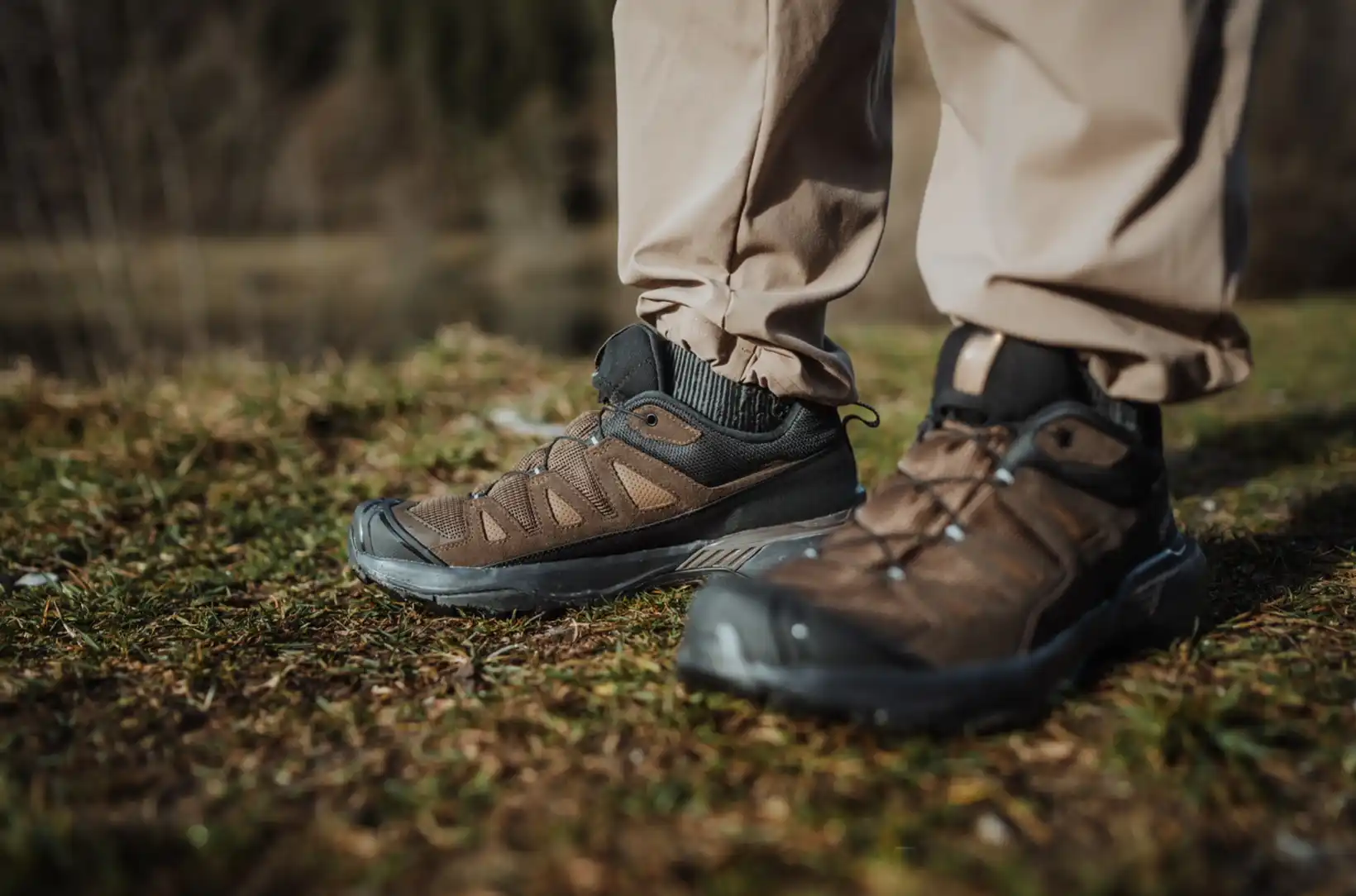
The most durable shoe types are work boots, hiking boots, and trail footwear, because these categories combine dense rubber outsoles, reinforced uppers, and stitched or directly attached constructions engineered for abusive conditions. Durability in footwear is driven as much by construction method as by raw material, so the longest-lasting shoes pair tough materials with repairable structures.
Several construction and design features separate durable shoes from disposable ones:
- Stitched or welted construction. Goodyear welt and similar stitched constructions attach the sole mechanically, allowing resoling and effectively extending the shoe’s life by multiples. Cement-only construction is cheaper but cannot be repaired once the bond fails.
- Full rubber outsoles with deep lugs. Lug depth and compound density determine how much material can wear away before traction and structure are compromised.
- Reinforced uppers. TPU toe caps, rubber randing, and double stitching protect the high-abrasion zones of the upper where mesh alone would fail.
- PU midsoles in work categories. All-day wear over rough surfaces favors PU’s long-term resilience over EVA’s lighter feel.
- Quality linings at the heel. The heel counter lining takes more friction than anywhere else inside the shoe, and leather or high-denier textile here prevents early interior failure.
Dress shoes with leather soles and lightweight fashion sneakers sit at the opposite end of this spectrum, not because their materials are bad, but because their construction prioritizes aesthetics and weight over repairability and wear life.
How to Evaluate Durable Shoe Materials in Sourcing
When sourcing shoe materials for production, evaluate durability through certified test data rather than supplier claims: Martindale abrasion cycles for fabrics, standardized rubber abrasion methods such as ASTM D1630 for outsole compounds, and flex and peel-strength results for laminated composites. Consistency between sample approval and bulk production matters as much as the headline numbers.
A disciplined evaluation process protects both product quality and delivery timelines. Specifications worth requiring from any Shoe Material Supplier include abrasion test results from recognized bodies such as ASTM International, tensile and tear data for fabrics, hydrolysis aging ratings for PU and laminated products, and bond-strength results for any composite where a membrane, foam, or backing is laminated to a face fabric. Because lamination quality directly determines whether a composite delaminates in the field, peel-strength data deserves particular attention for waterproof and three-layer constructions.
Beyond test reports, verify how a supplier maintains consistency across production batches. A fabric that passes Martindale testing in the sample stage can still fail in bulk if yarn lots, coating weights, or lamination parameters drift, so asking about incoming inspection procedures and batch-level traceability is standard practice for durability-critical programs. Suppliers who can document both material performance and process control reduce the risk of mid-season quality failures that no amount of final inspection can catch.
FAQs
How long do EVA midsoles typically last before they need replacing?
For casual everyday wear, quality EVA midsoles generally hold their cushioning for roughly one to two years. In performance running, most manufacturers and sports scientists treat 500 to 800 kilometers as the effective cushioning life, after which compression set reduces shock absorption even though the foam has not visually fallen apart. Heavier wearers and hot, humid storage conditions shorten this window further.
Which lasts longer in uppers, genuine leather or synthetic leather?
Full-grain genuine leather lasts longer because it can be cleaned, conditioned, and refinished many times, while synthetic leather typically fails when its surface coating cracks or peels, a failure that cannot be repaired. Quality synthetic leather performs well for several years of moderate use, but its end of life is fixed by the coating, whereas a maintained leather upper can outlive several resoling cycles.
Do waterproof membranes reduce the durability of shoe fabric?
A properly laminated membrane does not reduce durability and can actually reinforce the fabric structure, but poorly executed lamination becomes the weak point. If membrane adhesion or peel strength is inadequate, repeated flexing at the forefoot can cause delamination or bubbling, which is why bond-strength testing matters more than the membrane specification itself when evaluating waterproof footwear materials.