The lining sits closer to the wearer’s foot than any other material in a shoe, and it quietly determines whether that shoe stays comfortable after eight hours of wear or becomes a source of blisters, odor, and product returns. For footwear brands and sourcing teams, the lining decision also carries commercial weight, because the material affects unit cost, cutting yield, chemical compliance risk, and the perceived quality of the finished product.
There is no single best material for shoe lining, because the right choice depends on the footwear category. Natural leather remains the gold standard lining for dress and premium footwear because of its breathability, moisture absorbency and ability to conform to the foot. For athletic, casual and everyday shoes, synthetic mesh that wicks moisture provides the best overall balance of breathability, durability, weight and cost. EVA foam gives the best comfort-to-weight ratio for cushioning layers below the lining surface, and microfiber is the strongest leather alternative for tight budgets.
The sections below break down each material category, compare their performance properties, and explain how to match them to specific shoe types, health requirements, and compliance standards.
Why the Shoe Lining Material Matters So Much
The lining material controls moisture, friction, temperature, and hygiene inside the shoe, which makes it the single most influential component for in-shoe comfort and one of the most important specifications a footwear developer sets.
A lining does far more than cover raw seams. It performs five functions at once, and a weakness in any of them shows up directly in customer feedback:
- Moisture management: absorbs or wicks away the sweat the foot produces all day, keeping skin dry
- Skin protection: shields the foot from stitching and stiff upper edges that cause friction and blisters
- Shape retention: reinforces the upper from the inside, limiting stretch and stabilizing fit
- Upper protection: blocks sweat from breaking down the upper material and its adhesives
- Hygiene: a dry, breathable interior makes it harder for odor-causing bacteria to grow
For sourcing teams, selecting the right shoes lining material is one of the highest-leverage decisions in the entire bill of materials. A cheap lining can undermine an expensive upper, while a well-chosen lining lets a mid-range shoe punch above its price point.
Leather Lining: The Premium Natural Choice
Leather is the best lining material for dress shoes, luxury footwear, and any design where comfort, breathability, and prestige matter more than unit cost.
Natural leather, typically pigskin, sheepskin, or calfskin, has been the reference lining material for centuries because it does several things no synthetic has fully replicated. It breathes naturally through its pore structure, allowing heat to escape. It absorbs significant amounts of foot perspiration and releases it when the shoe rests overnight, a self-regulating moisture cycle that keeps the interior drier. Over weeks of wear it conforms to the shape of the foot, creating a personalized fit, and it insulates naturally across a wide temperature range.
The trade-offs are commercial rather than technical. Leather is the most expensive lining category, and because hides carry natural defects, average cutting yields run only 75 to 80 percent, compared with over 95 percent for synthetic fabrics. Leather linings also need occasional conditioning. For premium dress shoes, boots, and heritage styles, these costs are justified by comfort and the quality signal the lining sends.
Textile and Mesh Linings: Breathability and Moisture Control
Moisture-wicking synthetic textiles such as knitted polyester and nylon mesh deliver the best combination of breathability, light weight, and cost efficiency, which is why they dominate athletic and casual footwear.
Textile linings manage moisture through capillary action rather than absorption. The fine channels between knit or woven yarns pull sweat away from the skin and spread it across a larger surface area, where airflow evaporates it quickly. Because the fabric itself stays relatively dry, it feels cooler and dries out fast after activity.
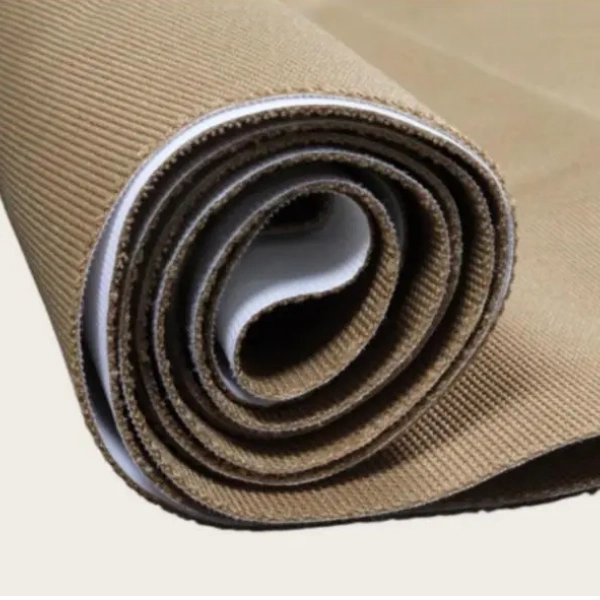
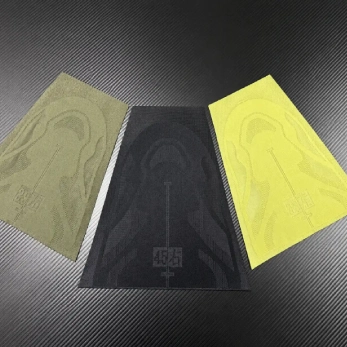
The commercial advantages are just as strong. Synthetics come in uniform rolls, so quality is consistent and cutting yields exceed 95 percent. Weight is low, structures can be engineered precisely, and costs sit far below leather. Many performance designs now use laminated breathable material for shoes that bonds a surface mesh to a functional membrane and a soft backing. A three-layer mesh fabric, for example, combines an open outer mesh, a moisture-wicking middle membrane, and a smooth inner layer for skin comfort, making it a common choice for athletic and outdoor footwear.
Which Fabric Is Best for Lining?
The best lining fabric depends on the end use rather than any single ranking:
- Running and training shoes: single or double-layer knitted mesh for maximum airflow and rapid drying
- Hiking and outdoor footwear: three-layer laminated mesh with a moisture-wicking membrane
- Winter boots: wool or wool-blend knits that insulate while moving moisture away from the foot
- Casual and lifestyle footwear: cotton-polyester blends balancing softness, cost, and ventilation
- Work and safety footwear: dense woven polyester or nylon prioritizing abrasion resistance
Microfiber and Synthetic Leather Linings
Microfiber is the best leather alternative for shoe lining, offering a similar soft hand feel and appearance at a lower and more stable cost, while PU synthetic leather suits budget designs that prioritize easy cleaning over breathability.
Microfiber is made from ultra-fine polyester or nylon fibers finished with a soft, suede-like nap, producing a lining that mimics the touch and drape of napped leather remarkably well. It is lighter than leather, uniform in quality, cuts with yields above 95 percent, and wicks moisture better than coated fabrics, though not as well as open mesh. It’s become the material of choice for upgrading from entry-level synthetics in the mid-tier sneaker market, and its vegan-friendly nature is in line with growing sustainability promises.
PU and PVC are the entry level synthetic leather. They are water resistant, wipe clean easily and cost very little, making them suitable for low-price casual footwear and simple boot linings. Their downside is breathability . The coated surface can trap heat and moisture , which can feel clammy on warm days or during prolonged wear .
Foam Lining Layers and Cushioning Materials
Foam materials such as EVA, PU foam, and natural latex are the best choices for the cushioning layers of a shoe lining system, providing shock absorption and pressure relief beneath the primary lining surface.
Foams rarely form the surface that touches the foot; instead they are laminated behind the lining fabric or bonded to the insole to add comfort. EVA, or ethylene-vinyl acetate, is a closed-cell copolymer foam that is extremely light, flexible, and resistant to water absorption, which makes it the workhorse of cushioned lining systems. PU foam offers a softer initial feel and better durability under repeated compression, while natural latex ventilates well and resists collapsing, at a higher price. Designers often combine a thin foam layer with a mesh or microfiber face layer so the lining delivers both cushioning and moisture control.
Which Is Better, EVA or Rubber?
EVA and rubber are not direct competitors in footwear, because they solve different problems:
| Property | EVA Foam | Rubber |
| Weight | Very light | Dense and heavy |
| Cushioning | Excellent shock absorption | Firm with minimal compression |
| Durability | Gradually compresses over time | Highly resistant to abrasion |
| Typical location | Midsole and lining cushion layers | Outsole |
EVA is better wherever cushioning and low weight matter, which includes midsoles and the foam layers inside lining systems. Rubber is better where traction and abrasion resistance matter, which is why it dominates outsoles. For a shoe lining application, the answer is EVA.
Matching Lining Materials to Shoe Types
The best lining material is always the one matched to the shoe type, climate, and wearer, so the practical question is not which material is best overall but which lining belongs in which shoe.
| Shoe Type | Best Lining Material | Key Reason |
| Dress shoes | Calfskin or pigskin leather | Breathes, conforms to the foot, premium feel |
| Running shoes | Knitted polyester mesh | Maximum airflow and moisture wicking |
| Hiking boots | Three-layer laminated mesh | Durable moisture control in demanding use |
| Winter boots | Wool or wool-blend knit | Insulation while moving moisture outward |
| Work and safety boots | Dense nylon or polyester with foam | Abrasion resistance plus cushioned support |
| Casual sneakers | Mesh or microfiber | Comfort and appearance at controlled cost |
The best-lined shoes follow the same logic: a leather-lined dress shoe for the office, a mesh-lined runner for training, a wool-lined boot for winter. Durability deserves equal weight with comfort, because linings in work and outdoor footwear face continuous abrasion; choosing a durable material for shoes extends the service life of the entire construction.
Health, Safety, and Compliance Considerations
The healthiest lining materials are breathable, low-sensitivity, chemically compliant textiles and leathers, because the lining sits in direct and prolonged contact with the skin and therefore faces the strictest chemical limits in the entire shoe.
Because lining materials touch the foot for hours at a time, regulators treat them as high-risk components. For the European market, compliance with REACH, the EU chemicals regulation, is mandatory: restricted azo dyes must stay below 30 mg/kg, and chromium VI in tanned leather must not exceed 3 mg/kg. California’s Proposition 65 imposes similar limits in the United States. Beyond legal minimums, many brands require third-party certifications such as OEKO-TEX for skin-contact textiles and GRS for recycled polyester linings. Sourcing teams should request batch-level test reports rather than one-time certificates, since dye lots change across production runs.
What Is the Healthiest Shoe Material?
The healthiest shoe materials keep the foot dry and avoid problematic chemistry. Natural leather, cotton, wool, and open-structured synthetic meshes all allow moisture vapor to escape, keeping skin dry and making it harder for bacteria and fungi to grow. Low-allergen, certified materials further reduce the risk of skin irritation. The least healthy options are cheap coated synthetics with high plasticizer content and no breathable structure, because they trap heat and moisture against the skin. For children’s footwear and diabetic-friendly designs, breathable natural or certified textile linings are especially important.
How to Evaluate and Select the Best Lining Material
Evaluate lining materials against four measurable criteria, moisture vapor transmission, abrasion resistance, weight, and total cost of ownership, rather than unit price alone.
The key performance metrics are straightforward to request from any competent supplier:
| Metric | What It Measures | Typical Direction |
| MVTR (moisture vapor transmission rate) | How quickly sweat vapor passes through | Higher is better for active footwear |
| Martindale abrasion cycles | Resistance to rubbing and wear | Higher is better for demanding footwear |
| Fabric weight (GSM) | Thickness and density of the lining | Lighter breathes more freely, heavier insulates |
| Compression set of foam layers | How well cushioning recovers | Lower permanent set means longer-lasting comfort |
A practical selection process keeps the decision grounded in data:
- Define the shoe type, target climate, and expected wear duration
- Shortlist one or two material categories that fit those conditions
- Request lab data for MVTR, abrasion resistance, and GSM from each supplier
- Verify compliance documents covering REACH or equivalent chemical limits
- Calculate total cost of ownership, combining unit price, cutting yield loss, testing fees, and freight
- Build prototypes and run wear testing before committing to volume
A slightly more expensive fabric with a 95 percent cutting yield and complete compliance documentation often costs less over a production run than a cheaper fabric that wastes material and fails a chemical test.
Frequently Asked Questions
These answers address the most common follow-up questions buyers and developers raise when specifying shoe lining materials.
Is the shoe lining the same as the insole?
No. The lining is the material bonded to the inside surface of the upper, covering seams and wrapping the sides, tongue, and heel of the shoe. The insole, or footbed, is the separate layer sitting directly under the sole of the foot, carrying most of the arch support and cushioning. The two work together but are specified, sourced, and replaced independently.
What GSM weight is typical for shoe lining fabric?
Most shoe lining fabrics fall between roughly 80 and 250 GSM. Lightweight performance meshes sit in the lower half of that range to maximize airflow, mid-weight microfibers and blends occupy the middle, and winter or work footwear linings run heavier for insulation and abrasion resistance. Laminated three-layer constructions are heavier still, since they combine several functional layers into one material.
Can worn shoe lining be replaced?
Partially, and it depends on construction. Dress shoes and stitched boots can often be relined by a repair workshop, since the upper can be opened and the lining panels re-cut and re-attached. Cemented athletic constructions generally cannot be relined economically, because removing the lining damages the bonded upper. Rotating pairs, drying shoes fully between wears, and periodic cleaning extend lining life well before replacement becomes necessary.