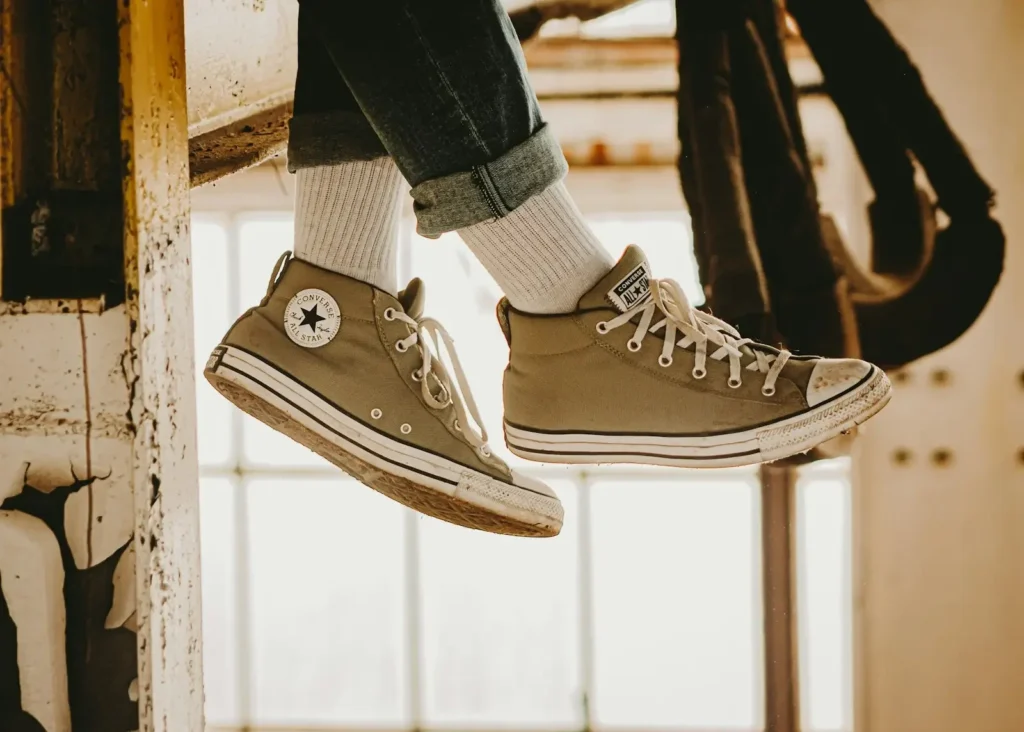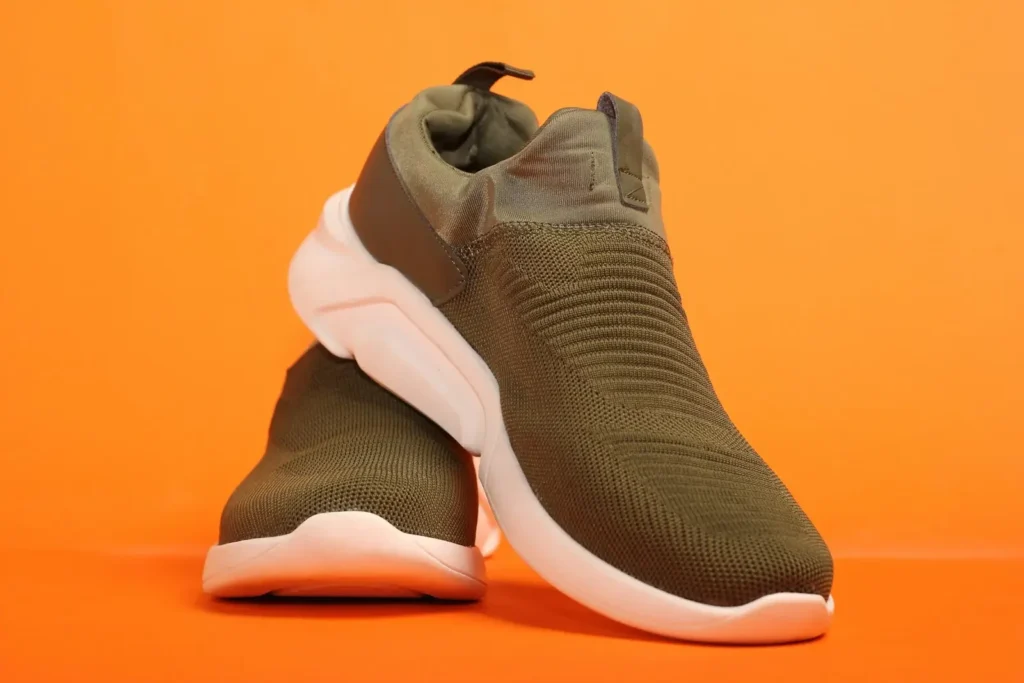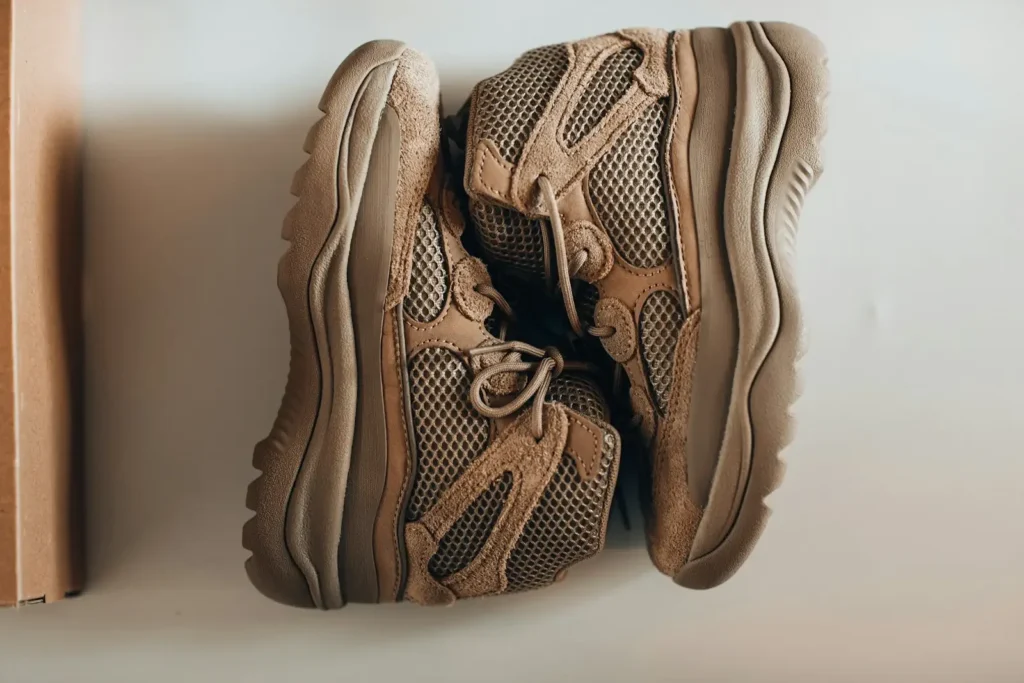
When designing high-performance outdoor, sports, or safety shoes, material engineers face a common challenge: making the footwear completely waterproof without sacrificing breathability. The most effective and popular solution in the modern footwear industry is the TPU membrane.
But what exactly is it, and why is it replacing traditional waterproofing methods? Let’s explore the technical advantages of this essential shoe material.
Understanding the Basics: What Is TPU Membrane?
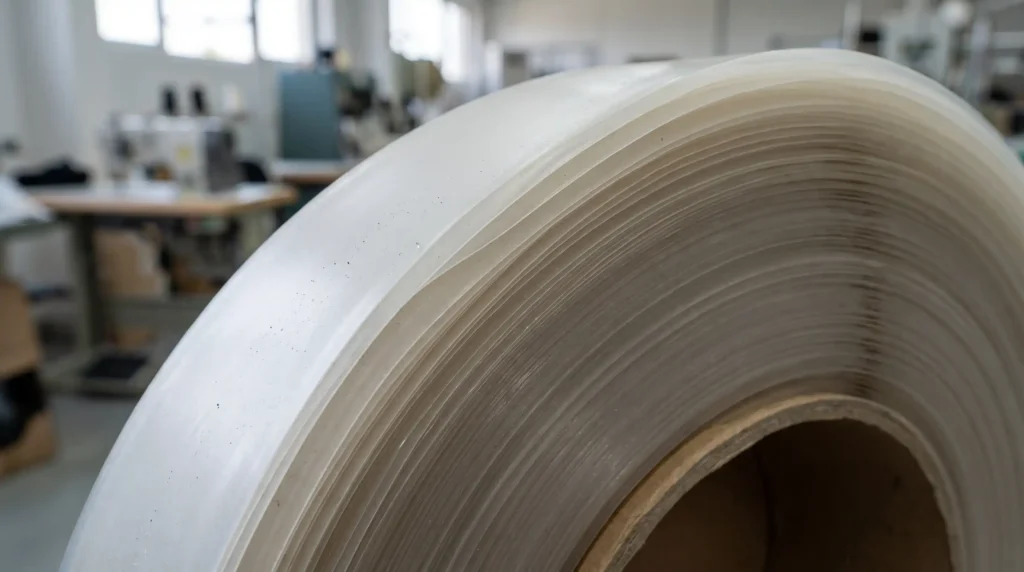
TPU stands for Thermoplastic Polyurethane. A TPU membrane is an ultra-thin, flexible, and microporous (or hydrophilic) film. In footwear manufacturing, it acts as an invisible barrier hidden beneath the outer fabric of the shoe.
The microscopic structure of the membrane is the key to its performance. It prevents large water droplets from penetrating the shoe (waterproof) while allowing much smaller water vapor molecules (sweat) to escape (breathable).
Key Benefits of Using TPU Membranes in Shoes
For footwear manufacturers, incorporating TPU into shoe upper materials offers several distinct advantages over older materials like PVC or basic rubber coatings:
1. Exceptional Waterproofing & Breathability
A high-quality TPU membrane provides a high hydrostatic pressure rating alongside an excellent Moisture Vapor Transmission Rate (MVTR). This ensures the wearer’s feet remain dry from external rain and internal sweat, making it perfect for hiking and safety shoes.
2. High Flexibility and Durability
Unlike some rigid waterproof materials that crack under pressure, TPU is highly elastic. It can stretch and bend thousands of times without losing its structural integrity. This flexibility is crucial for athletic and running shoes, where the upper material undergoes constant flexing.
3. Eco-Friendly and Sustainable
As the footwear industry shifts towards greener practices, TPU is highly favored because it is recyclable, non-toxic, and aligns with global environmental and sustainability standards. It is a much safer and cleaner alternative to toxic PVC materials.
How TPU is Laminated for Shoe Uppers
Raw TPU films are incredibly thin and difficult to handle on a standard shoe assembly line. Therefore, they are rarely used alone.
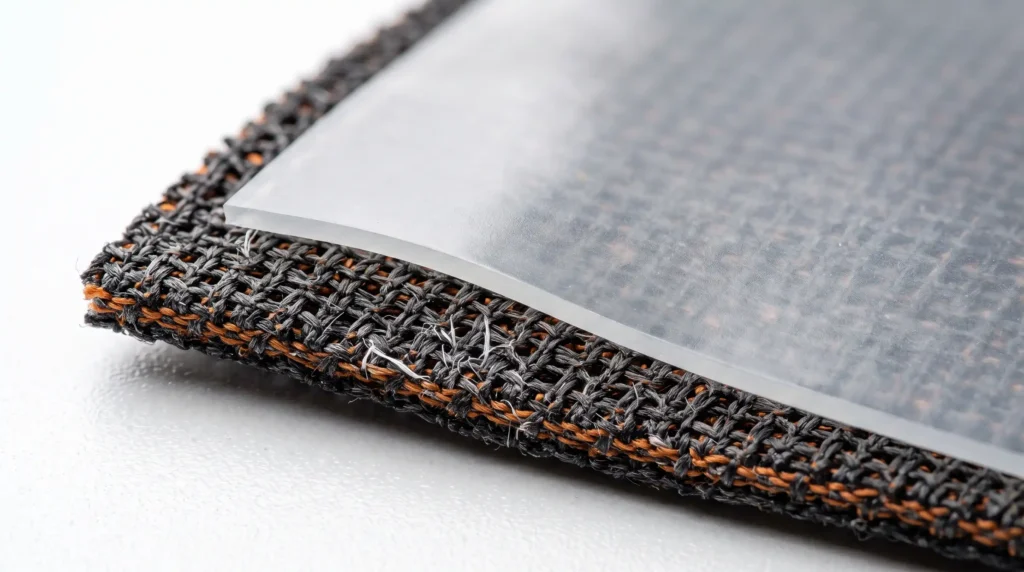
Instead, the membrane is bonded with other textiles (like nylon mesh, non-woven fabric, or tricot lining) using specialized adhesives to create composite shoe materials. This lamination process protects the delicate membrane and provides shoe factories with a ready-to-cut, easy-to-sew fabric roll.
Partnering for Reliable Functional Footwear Materials
Choosing the correct membrane thickness, waterproof rating, and lamination technique is critical for the success of your footwear project. At Galetex, we specialize in integrating premium TPU membranes into functional laminated fabrics.
Whether you are producing lightweight running shoes or heavy-duty safety boots, we supply customized waterproof shoe materials tailored to your specific performance requirements and production standards.