A footwear range is judged by its upper, priced by its outsole, and only later examined from the inside. The lining is the layer nobody photographs, yet it meets the foot on every step. Buyers who specify it out of habit rather than data tend to learn the cost through returns, odour complaints, and linings that wear through before the sole does.
Seven Shoe lining materials cover almost all commercial footwear: pigskin and split leather, sheepskin and lambskin, woven cotton or canvas, polyester and nylon knit, engineered and spacer mesh, microfiber, and foam-backed or neoprene fabric. None is best in absolute terms, because each wins on a different balance of breathability, abrasion resistance, moisture handling, and cost. The right choice follows the shoe category and wear pattern, not the price list.
The sections below explain what a lining actually does, then work through each material with its pros, cons, and typical applications.
What Is the Best Material for Shoe Lining?
The best lining matches how the shoe will be worn. For dress shoes, loafers, and leather boots, a 0.6 to 0.8 mm pigskin or split leather lining remains the benchmark for moisture buffering and shape retention. For athletic and summer footwear, engineered mesh or a moisture-wicking knit dries faster at lower weight. For volume programmes, microfiber and knit polyester balance hand feel and landed cost best.
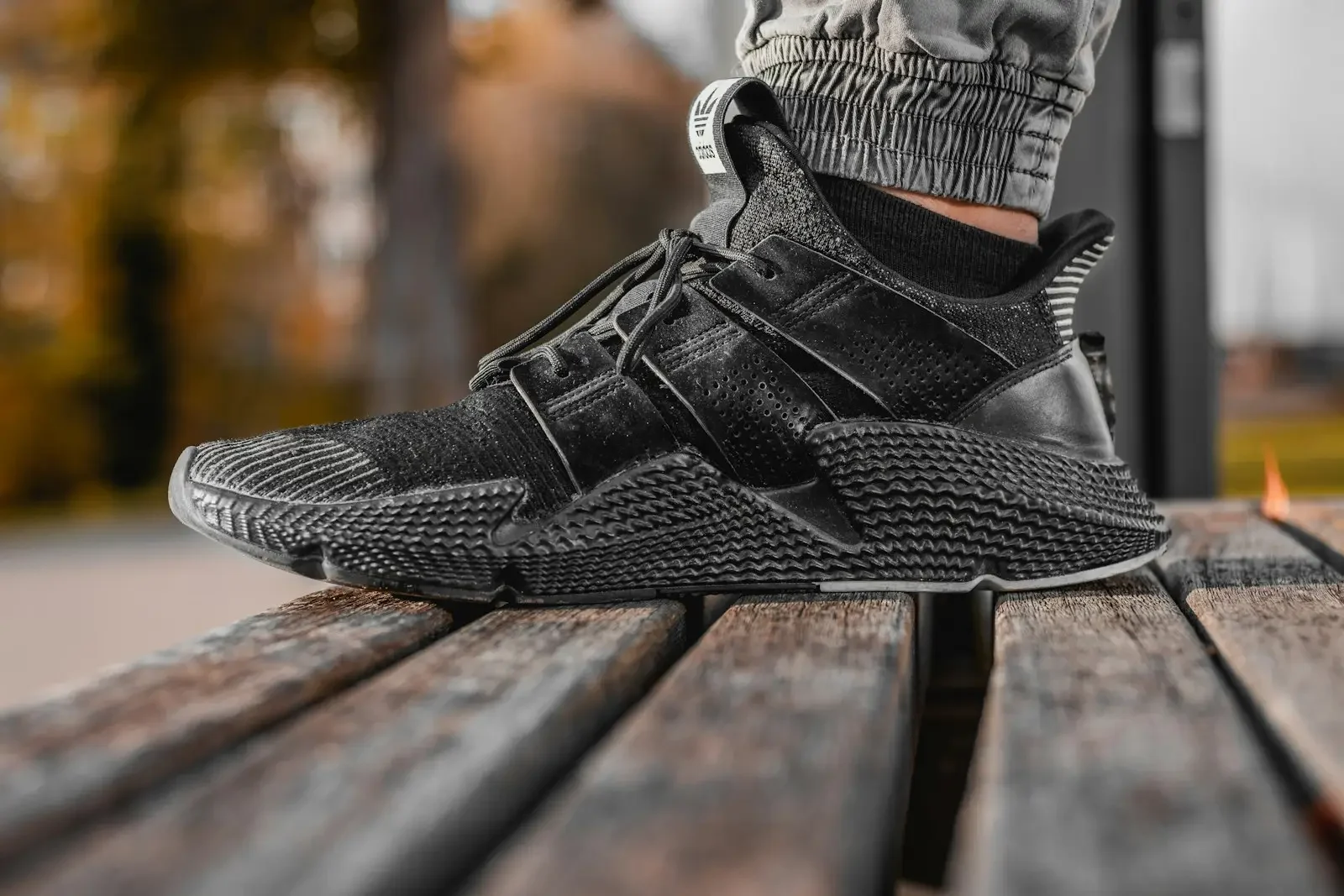
Four properties decide the question in practice. Water vapour permeability sets how quickly sweat escapes. Abrasion resistance, measured dry and wet, sets how long the lining survives at the heel and topline. Moisture handling decides whether the foot feels damp after two hours or after eight. Cost per pair then decides whether the specification is viable at the target retail price. A lining that wicks but cannot release vapour still leaves the foot wet, so a single breathable claim on a data sheet proves little.
Most factories source these substrates from a Shoes Lining Material range covering leather, knit, mesh, and laminated foam, which keeps thickness and shade consistent across vamp, quarter, and tongue.
Why the Lining Decides Comfort, Durability, and Returns
The lining is the only material that touches the foot continuously, and it covers more surface area than the insole. It controls friction, absorbs and releases sweat, holds the topline shape, and covers seams, stiffeners, and rough edges. When it fails, the whole shoe reads as cheap, even if the upper and sole are sound.
A finished shoe carries four lining parts, each with a different duty. The vamp lining takes the most flexing and the most contact with the toes. The quarter lining controls midfoot grip and heat release. The tongue lining sits against the instep and must stay soft under lacing pressure. The heel and topline carry the highest abrasion load, because the foot moves against them every time the shoe goes on and off. One fabric for all four zones is the commonest cost shortcut, and the commonest source of premature wear.
There is a commercial argument too. Lining is a modest share of material cost but a disproportionate share of comfort complaints, odour issues, and poor reviews, so an upgrade rarely moves the retail price while a downgrade quickly costs a repeat order.
The 7 Common Shoe Lining Materials
These seven materials cover nearly every lining specification in commercial footwear, from canvas shoes to technical hiking boots. They differ in fibre origin, fabric construction, and back-side finishes, and those three variables explain most of the gap between two fabrics that look identical in a sample bag.
The table below gives a first orientation on cost and use.
| Material | Relative cost | Most common use |
| Pigskin and split leather | High | Dress shoes, leather boots |
| Sheepskin and lambskin | High | Winter boots, soft dress shoes |
| Woven cotton and canvas | Low | Canvas sneakers, espadrilles, slippers |
| Polyester and nylon knit | Low to medium | Athletic, casual, work footwear |
| Engineered and spacer mesh | Medium | Running, hiking, warm-climate footwear |
| Microfiber | Medium | Sneakers, mid-market casual |
| Foam-backed and neoprene | Low to medium | Winter boots, protective footwear |
Pigskin and Split Leather Lining
Pigskin is the traditional lining of cemented and welted dress shoes, chrome tanned at 0.6 to 0.8 mm. Its open fibre structure buffers moisture and releases it slowly, so a leather-lined shoe still feels dry at the end of a long day. Split leather is the cheaper route to the same behaviour.
Pros: strong moisture buffering, good shape retention, long service life. Cons: highest cost of the seven, sensitive to tannery consistency, needs pH and chromium VI control. Best for dress shoes, loafers, and leather boots. The vapour behaviour behind that comfort is explained in the reference entry on natural leather.
Sheepskin and Lambskin Lining
Sheepskin and lambskin are chosen for hand feel rather than abrasion. The sueded surface feels soft at first contact, and the crimp of the fibre traps air, so the shoe feels warm without a foam layer. Lambskin at around 2 oz suits soft dress shoes and premium sneakers worn without socks.
Pros: exceptional softness, good thermal regulation, comfortable against bare skin. Cons: lower abrasion resistance than pigskin, higher cost, sensitive to water and compression. Best for winter boots, slippers, and premium casual lines.
Woven Cotton and Canvas Lining
Cotton is the cheapest natural option and remains common in canvas footwear and slippers. It absorbs sweat readily and feels cool at first contact, which suits mild climates and short-wear categories.
Pros: breathable, soft, hypoallergenic, very low cost. Cons: holds moisture against the skin, loses strength when wet, shrinks, and resists abrasion poorly. Best for canvas sneakers, espadrilles, and low-price slippers.
Polyester and Nylon Knit Lining
Knit polyester, including brushed tricot and nylon-based variants, is the workhorse of athletic and casual footwear. The fibre is hydrophobic, so it moves sweat away from the skin to the outer surface where it evaporates, and it dries far faster than cotton.
Pros: fast drying, high abrasion resistance, low weight, low cost. Cons: limited moisture buffering, can feel synthetic on bare skin, and low-grade versions trap heat. Best for running shoes, trainers, and work footwear.
Engineered Mesh and Spacer Mesh Lining
Engineered mesh is knitted with variable density, so one panel can be open at the vamp and tighter at the collar. Spacer mesh, often called three-layer mesh, adds a filament layer between two faces, creating permanent air channels and cushioning without foam.
Pros: the highest air exchange of the seven, lightweight, quick drying. Cons: lower abrasion resistance at friction points, cut edges need binding, open structures collect dust. Best for running, hiking, and warm-climate footwear. A Three-layer Mesh Fabric construction is usual when airflow and padding are both required.
Microfiber Lining
Microfiber is a synthetic suede built from very fine fibres, usually 0.01 to 0.05 denier, bonded to a knit base. The dense surface imitates leather hand feel at textile cost and colour consistency.
Pros: soft leather-like feel, good moisture wicking, consistent shade. Cons: lower vapour permeability than open-pore leather unless engineered, and cheaper grades can pill at the heel. Best for sneakers, mid-market casual, and fashion footwear.
Foam-Backed and Neoprene Lining
These are laminated structures: a face fabric bonded to PU or EVA foam, or a neoprene sheet. The foam provides padding and insulation, which is why it appears in winter boots, safety footwear, and padded collars.
Pros: strong cushioning, thermal insulation, good coverage over seams. Cons: foam blocks vapour, retains moisture, and can delaminate or compress. Best for cold-climate boots and collar padding rather than full linings.
How the Seven Materials Compare
On a like-for-like basis, leather leads on moisture buffering and shape retention, knit polyester leads on drying speed and cost, mesh leads on air exchange, and microfiber sits between the two on hand feel at lower cost. Foam-backed structures win only where cushioning matters more than breathability.
| Material | Breathability | Abrasion | Moisture handling | Relative cost |
| Pigskin and split leather | Medium | High | Buffers, slow release | High |
| Sheepskin and lambskin | Medium | Medium | Buffers, slow release | High |
| Woven cotton | Medium | Low | Absorbs, slow release | Low |
| Polyester and nylon knit | Medium to high | High | Wicks, fast release | Low to medium |
| Engineered and spacer mesh | High | Medium | Wicks, very fast release | Medium |
| Microfiber | Medium | Medium to high | Wicks, moderate release | Medium |
| Foam-backed and neoprene | Low | Medium | Retains moisture | Low to medium |
Three misconceptions persist. Cotton is assumed to be breathable, yet it holds sweat against the skin. Leather is assumed to run hot, although its vapour transmission keeps it cooler than a coated synthetic. Microfiber is assumed to be a downgrade, when a good grade beats a cheap solid PU lining on every count but price.
Matching Lining to Shoe Category
Lining selection follows the shoe category rather than the material catalogue. Athletic and sneaker lines take knit or mesh, boots take leather or a mesh-backed laminate, dress shoes take pigskin or lambskin, loafers take soft leather or microfiber, sandals take minimal or no lining, safety footwear takes abrasion-rated knit, and children’s shoes take breathable knit with strict dye control.
- Athletic and sneakers: knit polyester or mesh at 120 to 180 GSM, with odour treatment.
- Boots: split leather at the shaft, mesh-backed laminate in the quarter.
- Dress shoes: pigskin at 0.6 to 0.8 mm, softer calf for premium tiers.
- Loafers: lambskin or microfiber, since they are often worn without socks.
- Sandals: lining at the straps only, selected for colourfastness.
- Safety footwear: abrasion-rated knit or leather meeting the lining clauses of the standard.
- Children’s shoes: breathable knit with low free formaldehyde and migration-safe dyes.
The lining also has to be matched to the upper behind it. A heavy coated upper with a light knit lining flexes at a different rate, which shows up as lining wear at the flex line long before the upper fails. Thickness, stretch, and shade are best checked with the Shoes Upper Material selection, not after it.
Test Standards and Specification Points
A lining specification is only enforceable when it names a test method and a minimum value. ISO 20345:2021 sets the most widely used benchmark, and buyers outside protective footwear use its lining clauses as a reference floor because the numbers are unambiguous.
| Property | Test method | Minimum requirement |
| Tear strength, leather | ISO 20344, 6.3 | 30 N |
| Tear strength, coated fabric and textile | ISO 20344, 6.3 | 15 N |
| Abrasion, vamp and quarter lining | ISO 20344, 6.12 | No hole before 25,600 cycles dry, 12,800 wet |
| Abrasion, heel area lining | ISO 20344, 6.12 | No hole before 51,200 cycles dry, 25,600 wet |
| Water vapour permeability | ISO 20344, 6.6 to 6.8 | At least 2.0 mg/(cm2 h), coefficient at least 20 mg/cm2 |
| pH value, leather lining | ISO 20344, 6.9 | At least 3.2 |
The complete requirements sit in the published text of ISO 20345:2021. Note the doubled abrasion cycles at the heel, the strongest argument for a reinforced heel lining. Ventilation-led ranges can be cross-checked in this guide to Breathable Materials for Shoes.
Every purchase order should fix weight and thickness tolerances, peel strength after lamination, colourfastness to rubbing, and the antimicrobial treatment.
What to Ask a Lining Supplier Before Ordering
Six questions separate a reliable lining supplier from a risky one: the exact weight and thickness tolerance, the bond strength after lamination, batch-to-batch colour consistency, the test reports behind each performance claim, the minimum order quantity, and the lead time for a repeat order.
- What is the fabric weight in GSM, and which tolerance is guaranteed in bulk?
- How is the lining bonded to foam or membrane, and what peel strength is measured after 24 hours?
- Which test reports cover abrasion, vapour permeability, and colourfastness, and how recent are they?
- Can two production runs be supplied for comparison before the bulk order?
- What is the minimum order quantity per colour, and what lead time applies to a repeat?
- Which restricted substance list does the material meet for the target market?
A supplier that answers all six in writing rarely surprises you in production.
FAQ
Three questions come up repeatedly once a lining shortlist is settled.
Does a leather lining make shoes warmer in summer?
Not inherently. Leather transmits vapour, so it releases sweat instead of trapping it, and it feels cooler than a coated synthetic. Warmth comes from construction and the sock far more than from the lining fibre.
Can footwear be produced without a lining?
Yes, and unlined construction is common in sandals, espadrilles, and some knit sneakers. The trade-off is that seams and stiffeners sit directly against the foot, and the upper must hold its shape alone. Most performance and dress categories still need a lining.
Do lining dyes transfer to socks?
They can, particularly with dark shades on cotton and low-grade polyester in humid conditions. Specify colourfastness to wet rubbing of at least grade 3 to 4, and ask for the test on the finished lining rather than on the greige fabric.